-
 Ships attacked in Gulf as Trump extends Iran ceasefire
-
Germany set to slash growth forecast due to Mideast war
-
 Pakistan's capital holds its breath with US-Iran talks in limbo
-
Groundbreaking Iranian snooker star Vafaei takes on the world

-
 Sakib Hussain: IPL quick whose mum sold her jewellery to fund cricket dream
-
US-based Buddhist monks bring peace walk to Sri Lanka
-
 NASA unveils new space telescope to give 'atlas of the universe'
-
Trump extends ceasefire, claims Iran 'collapsing financially'

-
 The tiny, defiant Nile island caught in the heart of Sudan's war
-
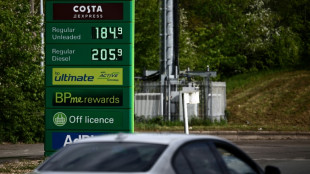
UK inflation jumps as Mideast war propels energy prices
-
 Oil, stocks mixed as traders weigh outlook after Trump extends truce
-
Anthropic probes unauthorized access to Mythos AI model

-
 Stadium that was symbol of NZ post-quake rebuild to hold first match
-
Blazers stun Spurs after Wemby injury, Lakers down Rockets

-
 Chinese carmakers aim to build up presence in Europe
-
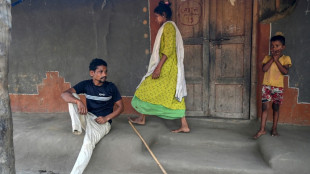
Maoist landmine legacy haunts India
-
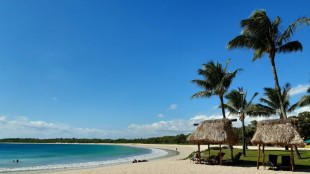 Fiji villagers reject plan for 'Pacific ashtray' in beach paradise
-
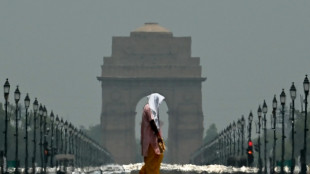
India orders school water bells to beat heat
-
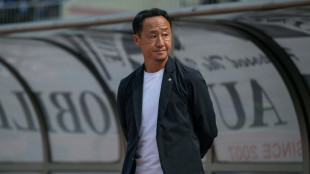 Japanese minnows one win from fairytale Champions League title
-
Rugby Australia eyes brighter future as Lions tour brings cash windfall

-
 Blazers rally stuns Spurs after Wembanyama injury
-
Young Chinese use AI to launch one-person firms over job anxiety

-
 Delicate extraction: Malaysia offers rare earths alternative to China
-
Oil, stocks fall as traders weigh outlook after Trump extends truce

-
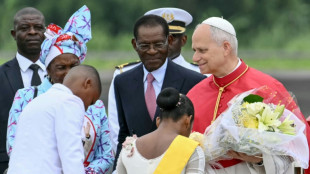 Pope to visit prison on final leg of Africa tour
-
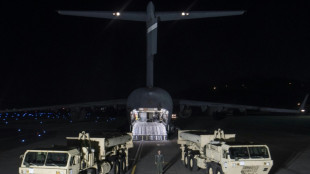
US military says key weapons system staying in South Korea
-
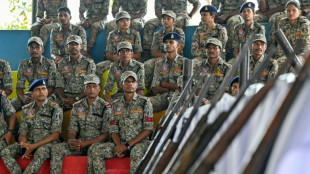 India strangles final Maoist bastion as mining looms
-
AI-powered robots offer new hope to German factories

-
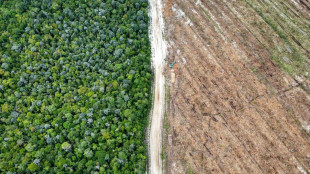 Indonesia orangutan forest cleared for 'carbon-neutral' packaging firm
-
PGA Tour mulls pathway back for golfers as LIV plots survival

-
 One month phone-free: Young Americans try digital detox
-
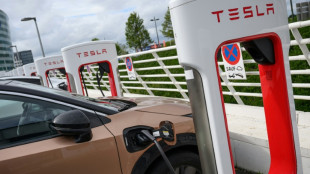
Questions about Tesla spending binge ahead of earnings
-
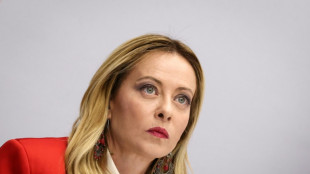 Rome summons Russian ambassador over insults against Meloni
-
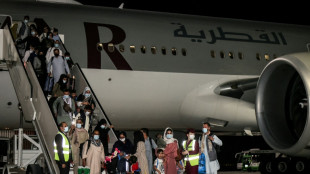
US tells Afghans to choose Taliban home or DR Congo: activist
-
 John Ternus to lead Apple in the age of AI
-
SpaceX partners with AI startup Cursor, may buy it for $60 bn
-
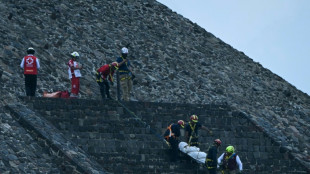 Mexico pyramid shooter inspired by Columbine attack, pre-Hispanic sacrifices
-
Mexico pyramid shooter planned attack, fixated on US massacre

-
 Mbappe on the mark as Real Madrid sink Alaves
-
Rosenior blasts Chelsea flops after 'unacceptable' Brighton defeat

-
 Inter roar back to beat Como and reach Italian Cup final
-
Lens sweep past Toulouse to reach French Cup final

-
 Brighton crush Chelsea to pile pressure on under-fire Rosenior
-
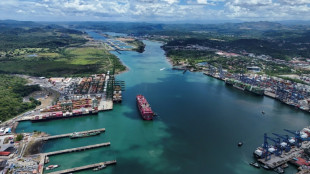
Strait of Hormuz blockade drives up costs at Panama Canal
-
 Trump extends ceasefire, says giving Iran time to negotiate
-
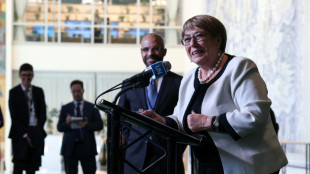
Michelle Bachelet hopes the world is ready for a female UN chief
-
 Nowitzki, Bird among eight inductees into FIBA Hall of Fame
-
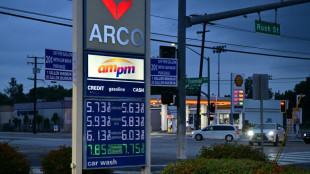
Stocks fall, oil climbs amid uncertainty over US-Iran talks
-
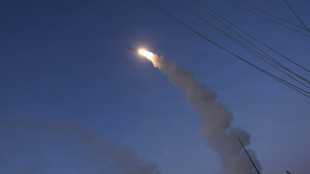 Iran war means more orders for US defense giants
-
Mexico pyramid shooting was planned attack, officials say

Germany doesn't want any more migrants?
Germany, once a beacon of openness during the 2015 migrant crisis when it welcomed over a million refugees, appears to be undergoing a profound shift in its stance on immigration. Under the leadership of Friedrich Merz, the newly elected chancellor from the Christian Democratic Union (CDU), the country is tightening its borders and rethinking its reliance on foreign labour. This pivot, driven by economic pressures, security concerns, and a resurgent far-right, raises questions about the future of a nation long defined by its post-war commitment to multiculturalism and economic pragmatism.
A Legacy of Openness Under Strain:
Germany’s immigration policy has historically been shaped by necessity and morality. After World War II, the "Wirtschaftswunder—the economic miracle—relied" on "Gastarbeiter" (guest workers) from Turkey and southern Europe to rebuild the nation. In 2015, Chancellor Angela Merkel’s decision to open borders to Syrian and other refugees was both a humanitarian gesture and a bid to bolster an ageing workforce. By 2020, immigrants and their descendants comprised 26% of Germany’s 83 million residents, per the Federal Statistical Office, contributing significantly to sectors like manufacturing and healthcare.
Yet, the mood has soured. The CDU’s victory in the 23 February 2025 federal election, securing 28.5% of the vote, came amid a surge for the anti-immigrant Alternative für Deutschland (AfD), which captured 20%. Merz, forming a coalition with the Social Democratic Party (SPD), has vowed to address what he calls “uncontrolled inflows,” signalling a departure from Merkel’s legacy.
Economic Pragmatism Meets Saturation:
Germany’s economy, Europe’s largest, has long depended on immigrants to fill labour gaps. In 2024, the Institute for Employment Research (IAB) estimated a shortage of 400,000 skilled workers, particularly in engineering and nursing. The birth rate, at 1.5 children per woman, remains well below replacement level, amplifying the need for foreign talent. So why the reversal?
Uneducated immigrants are a burden on the German welfare system:
Analysts point to a saturation point. Unemployment, though low at 5.5% in 2024, masks regional disparities and a growing perception that immigrants strain welfare systems. The influx of 200,000 Ukrainian refugees since 2022, while largely welcomed, has stretched housing and social services, with cities like Berlin reporting a 20% rise in rents over two years. Merz has argued that Germany must “prioritise integration over importation,” citing a 2024 Interior Ministry report that 30% of recent arrivals remain jobless after five years—a statistic seized upon by critics of open borders.
Security and the Far-Right Shadow - Too many Migaten are simply criminal:
Security concerns have further fuelled the shift. High-profile incidents, such as the December 2024 knife attack in Mannheim by an Afghan asylum seeker, which left three dead, have reignited debates about vetting and deportation. The AfD, capitalising on such events, has pushed a narrative of “immigrant crime,” despite data showing that foreign nationals’ offence rates (excluding immigration violations) align with those of native Germans. Merz, while distancing himself from the AfD’s rhetoric, has pledged tougher asylum rules and faster removals of rejected applicants, a nod to public unease.
The far-right’s electoral gains—126 projected Bundestag seats—have pressured mainstream parties to act. Posts on X reflect a polarised populace: some decry “a betrayal of German values,” while others cheer “a return to sovereignty.” Merz’s coalition, balancing the SPD’s pro-immigration leanings, must navigate this divide.
Policy Shifts and Global Implications:
Concrete measures are emerging. In February 2025, Merz announced plans to cap asylum applications at 100,000 annually—down from 300,000 in 2023—and expand “safe third country” agreements, allowing deportations to nations like Turkey. The Skilled Immigration Act, liberalised in 2023 to attract professionals, faces scrutiny, with proposals to raise income thresholds and tighten language requirements. Meanwhile, the EU’s New Pact on Migration, which Germany endorsed in 2024, is under review as Berlin seeks stricter external border controls.
Globally, this retrenchment could dim Germany’s image as a progressive leader. Its ageing population—projected to shrink to 79 million by 2050 without immigration—poses a long-term economic risk. The Confederation of German Employers (BDA) warned in January 2025 that curtailing inflows could cost 1% of GDP growth annually by 2030. Yet, political expediency seems to trump such forecasts for now.
A Nation at a Crossroads:
Germany’s turn from immigration reflects a confluence of pressures: economic limits, security fears, and a populist tide. It does not signal an absolute rejection—labour shortages ensure some openness persists—but a recalibration towards control and selectivity. For Merz, the challenge is twofold: assuaging a restive electorate while preserving the economic engine that immigrants have long fuelled. Whether this balancing act succeeds will shape not just Germany’s future, but Europe’s.
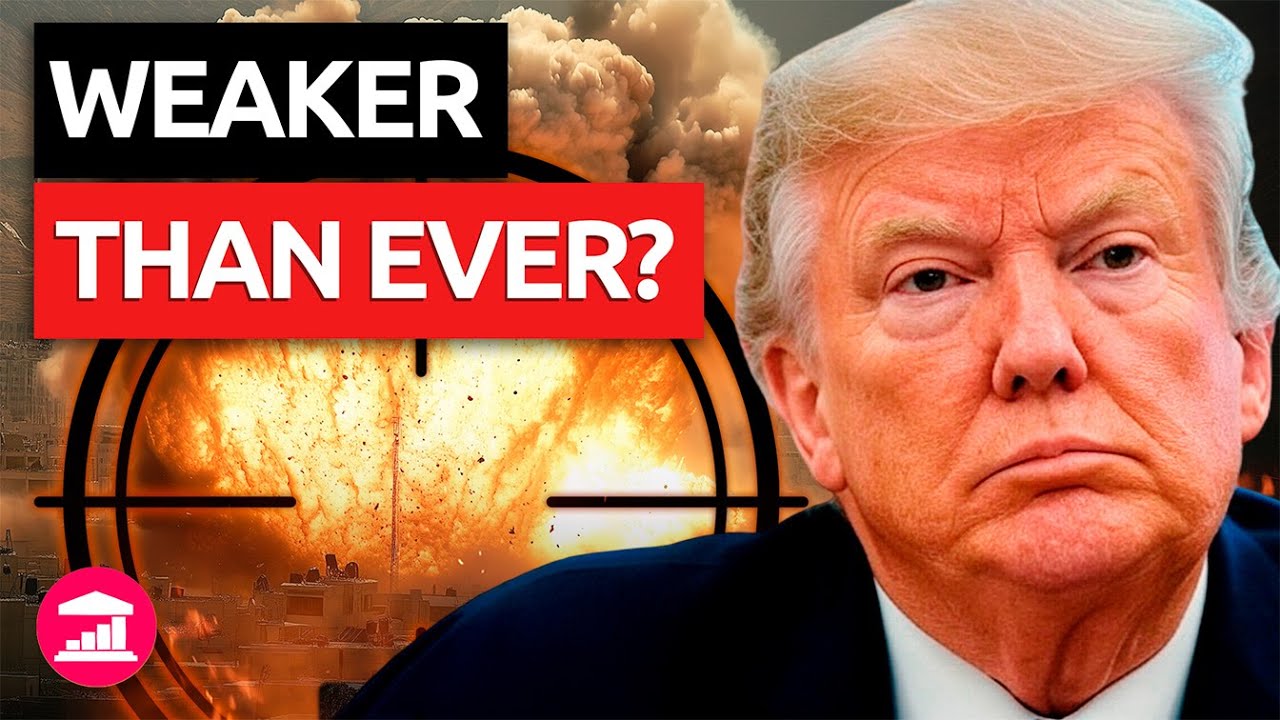
Iran's Ayatollahs the next to Fall?
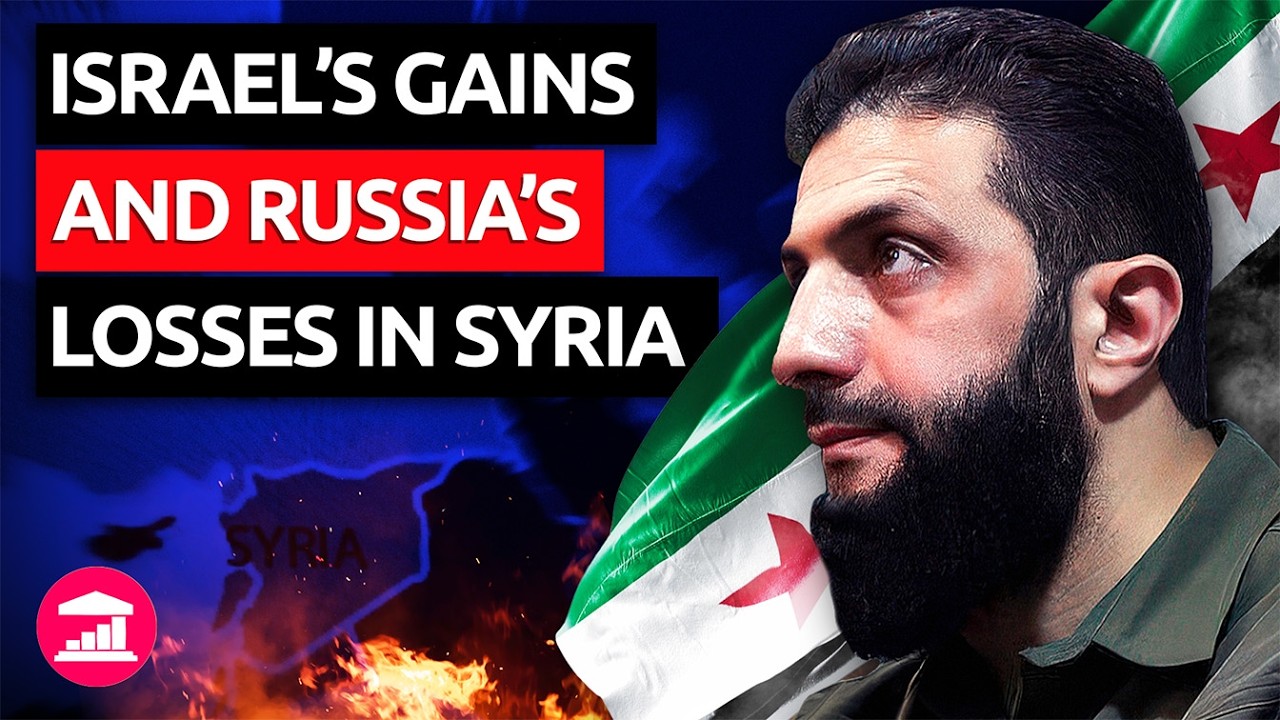
Who wins and who loses in Syria?
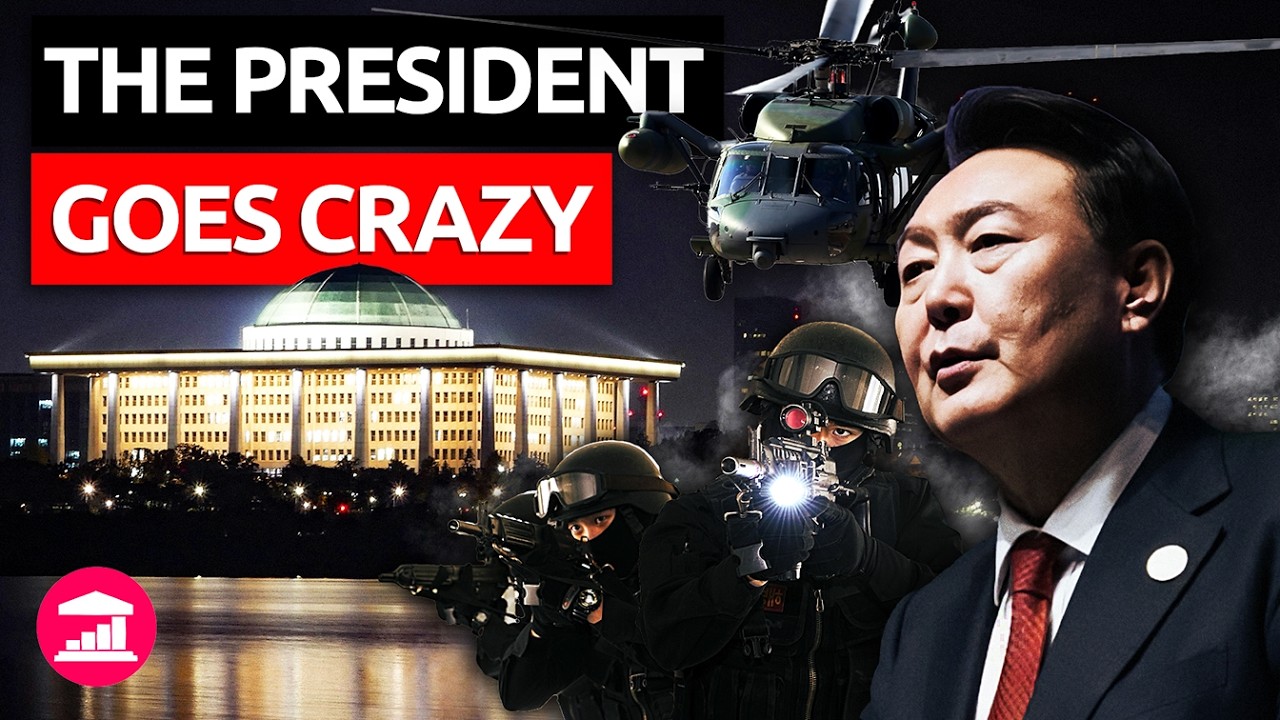
South Korea: Yoon Suk Yeol shocks Nation
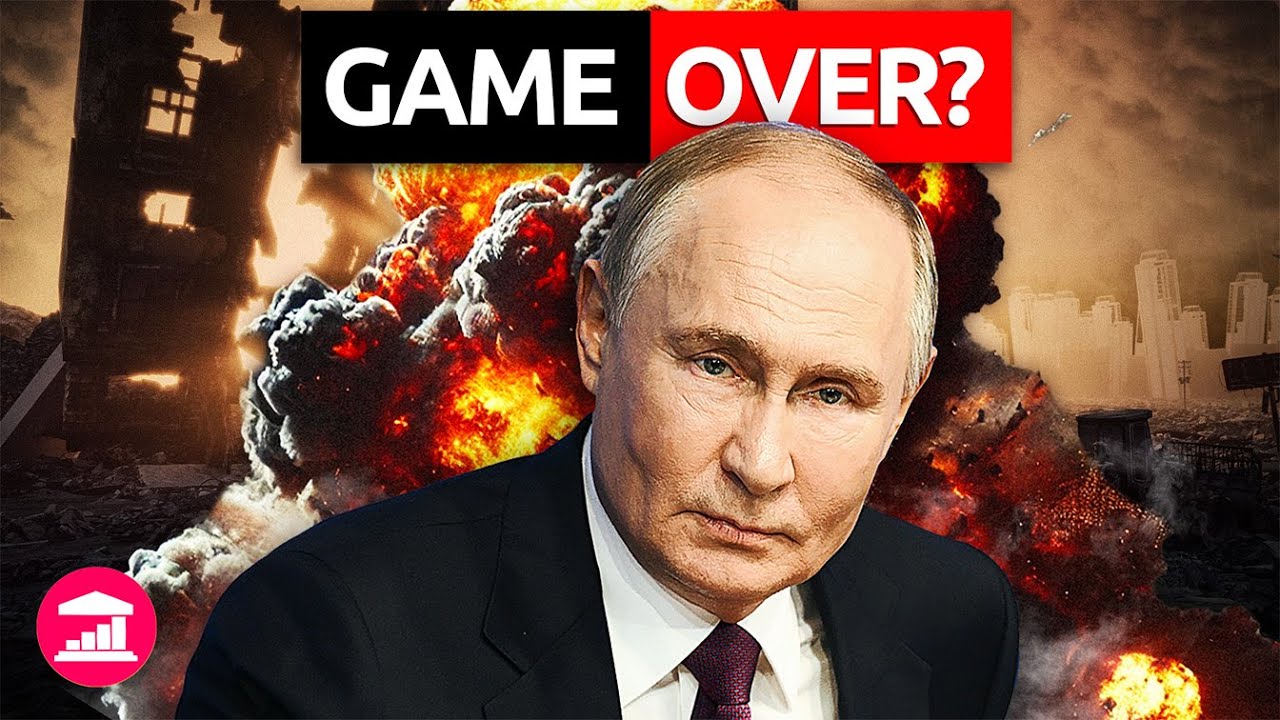
Dictator Putin threatens to destroy Kiev
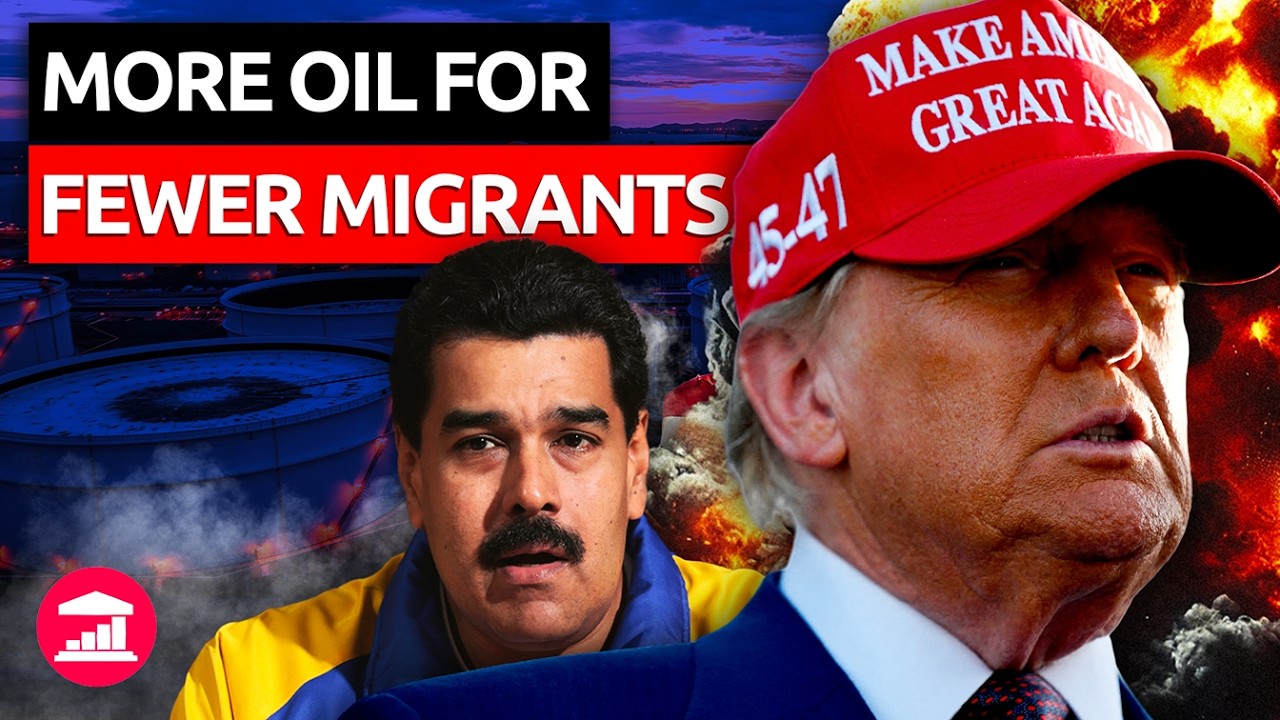
Will Trump's deportations be profitable?

Ishiba's Plan to Change Power in Asia

EU: Online platforms to pay tax?
EU: Energy independence achieved!
EU: Record number of births!
EU: Military spending is on the rise!
Crisis: EU bicycle production drops!