-
 Guardiola quit '100 times' before leaving, says Man City chairman
-
Martinez Novell replaces Hjulmand as Leverkusen coach
-
 Napoli confirm Conte exit with Allegri tipped as new coach
-
MEXC Tops New Contract Listings in CoinGecko's 2026 State of Crypto Perpetuals Report

-
 New Zealand dismiss England debutant Gay before rain halts 150th Lord's Test
-
Vast astronaut mission kicks off commercial race to replace ISS
-
 Zverev heads up final four in men's French Open semis
-
What we know about Kushner's project in Albania
-
 Iran leader says dealt enemies 'decisive blow' in Mideast war
-
City weigh legal action after Real Madrid presidential hopeful targets Haaland
-
 French pair propose new term to define 'environment'
-
'Persepolis' author Marjane Satrapi dies aged 56

-
 SpaceX seeks a record $75 bn in stock market debut
-
Israel strikes Lebanon after truce announcement

-
 Somalia capital rocked by gunfire and fighting overnight
-
South Korea ruling party fails to flip Seoul in blemish on local poll results

-
 South Africa's closed white enclave attracting Afrikaner youth
-
Nigerian museum revamp brings treasures within reach

-
 Nepali climber alive after six days missing on Everest
-
South Korea's ruling party fails to flip Seoul in blemish to local polls showing

-
 Brunson vows no let up after Knicks comeback sinks Spurs
-
From poplars to pistachios, Afghans rediscover the value of trees

-
 South Korea edge El Salvador 1-0 in final World Cup warm-up
-
Wembanyama 'not worried' after Knicks stun Spurs in finals opener
-
 Knicks rally to beat Spurs in NBA Finals game-one thriller
-
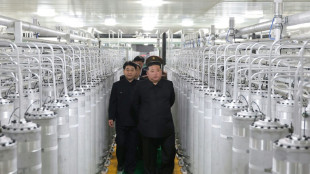
N. Korea's Kim vows 'exponential' boost in nuclear forces
-
 Overtaken by Hong Kong in global wealth management, Swiss keep cool
-
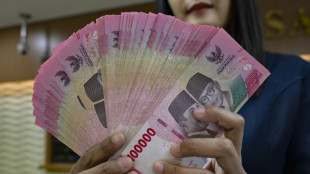
Indonesian rupiah falls to record low against US dollar
-
 Stocks drop on AI, rate hike worries as Lebanon deal hits oil
-
US House votes to curb Trump on Iran war as talks stall
-
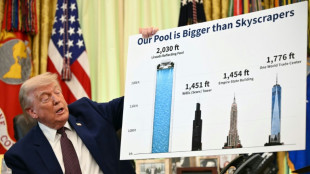 'Our pool is bigger than skyscrapers': Amid war, Trump touts Washington projects
-
Ferrari tipped to end Antonelli's winning run
-
 "I am from Bosnia" -- Bosnia's first World Cup success
-
Brumbies battle the odds in Super Rugby playoff against Hurricanes

-
 Morocco's dual-national scouting policy pays rich dividends
-
Favourites keep apart in lead up to Tour de France
-
 Ukraine strike kills 3 in Russian-occupied Crimea
-
Fiji rejects Australian billionaire's 'Pacific ashtray' plan to ship, burn waste

-
 In Peru's highlands, hopelessness shapes a bitter presidential runoff
-
Tim Berners-Lee calls for AI to preserve 'original values' of web
-
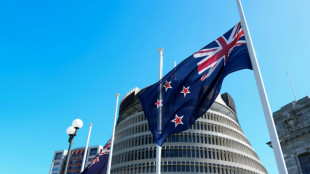 China bans New Zealand lawmakers over Taiwan trip
-
South Korean adoptees sue Denmark over right to know birth families

-
 Show must go on for ballerinas in crisis-hit Cuba
-
NBA 'on schedule' with Europe league plans: Silver

-
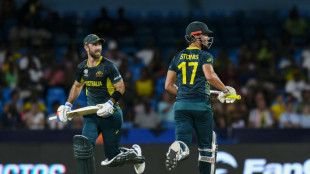 Plan to merge BBL's Melbourne teams sparks 'anxiety' for players
-
World Cup fans barred from bringing water bottles into stadia

-
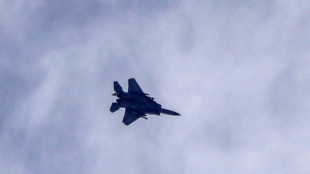 Israel, Lebanon agree to conditional ceasefire
-
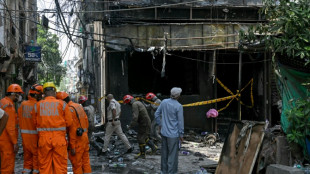
New Delhi hotel blaze kills 21, including foreigners
-
 Bayeux Tapestry to be moved in secret to British Museum: minister
-
Meta lashes Australia's bid to make tech giants pay for news
Next Chancellor of Germany and Trump
Germany’s political landscape shifted decisively with the federal election on 23 February 2025, propelling Friedrich Merz, leader of the Christian Democratic Union (CDU), into the position of the nation’s next chancellor. As he prepares to form a coalition government, likely with the Social Democratic Party (SPD), Merz has signalled a bold foreign policy stance: a willingness to confront United States President Donald Trump, particularly over the contentious issue of Ukraine. This emerging transatlantic tension promises to redefine Germany’s role on the global stage.
A new german Leader with a clear Vision?
Merz’s victory, securing approximately 28.5% of the vote for the CDU/CSU alliance, marks a return to conservative leadership following years of coalition governance under Angela Merkel and, more recently, Olaf Scholz. With the Alternative für Deutschland (AfD) gaining 20% and the SPD trailing at 16.5%, Merz faces the task of uniting a fragmented Bundestag. Preliminary estimates suggest the CDU/CSU will hold around 179 seats, necessitating a partnership with the SPD (104 seats) and possibly the Greens (73 seats) to achieve the 316-seat majority required.
The chancellor-in-waiting has wasted no time in outlining his priorities. While congratulating Trump on his inauguration on 20 January 2025 with a handwritten letter—a gesture of diplomatic courtesy—Merz has made it clear that he will not shy away from challenging the American president where their views diverge.
The Ukraine Flashpoint:
At the heart of this anticipated confrontation lies Ukraine. Merz has been an outspoken advocate for robust European support for Kyiv, a position he underscored during a visit to President Volodymyr Zelensky in May 2022. His criticism of Trump’s rhetoric, which he has described as echoing Russian narratives, reveals a stark divide. In a recent interview Merz expressed dismay at Trump’s apparent indifference to European security concerns, labelling it a “classic case of blaming the victim.” This stance contrasts sharply with Trump’s reported inclination to pursue rapprochement with Russia, a policy that has alarmed many in Europe.
Merz’s commitment to Ukraine is not merely rhetorical. He has pledged to bolster Germany’s defence spending and has floated the idea of a new European defence alliance, potentially as an alternative to NATO, should transatlantic cooperation falter under Trump’s leadership. Such proposals reflect a broader ambition to enhance Europe’s strategic autonomy—a move that could strain relations with Washington.
Balancing Confrontation with Cooperation:
Despite his readiness to challenge Trump, Merz is not advocating for a complete rupture. In an interview last November, he emphasised the importance of “deals” with the United States, particularly in trade and economic matters, that could benefit both sides. This pragmatic streak suggests that while Merz may clash with Trump over security policy, he seeks to maintain a functional relationship in other domains. Germany, as Europe’s economic powerhouse, cannot afford to alienate its largest transatlantic partner entirely.
Implications for Transatlantic Ties:
Merz’s leadership arrives at a pivotal moment. Trump’s return to the White House has rekindled debates about the reliability of American commitments to Europe, especially within NATO. By positioning Germany as a counterweight to Trump’s policies, Merz could catalyse a shift towards a more assertive European Union—one less dependent on U.S. direction. His plans to increase defence collaboration among EU nations signal a long-term vision that may outlast transatlantic spats.
Yet, this approach carries risks. A public confrontation with Trump could exacerbate divisions within NATO and embolden critics of European unity, such as the AfD, which has capitalised on anti-establishment sentiment. Merz must navigate these domestic and international pressures with care.
Conclusion:
As Friedrich Merz prepares to assume the chancellorship, his intention to confront Donald Trump over Ukraine heralds a new chapter in German foreign policy. Rooted in a commitment to European security and independence, his stance promises to test the resilience of transatlantic relations. Whether this leads to a lasting realignment or a pragmatic compromise remains to be seen, but one thing is certain: Germany’s next chancellor is poised to make his mark on the world stage.
A new german Leader with a clear Vision?
Merz’s victory, securing approximately 28.5% of the vote for the CDU/CSU alliance, marks a return to conservative leadership following years of coalition governance under Angela Merkel and, more recently, Olaf Scholz. With the Alternative für Deutschland (AfD) gaining 20% and the SPD trailing at 16.5%, Merz faces the task of uniting a fragmented Bundestag. Preliminary estimates suggest the CDU/CSU will hold around 179 seats, necessitating a partnership with the SPD (104 seats) and possibly the Greens (73 seats) to achieve the 316-seat majority required.
The chancellor-in-waiting has wasted no time in outlining his priorities. While congratulating Trump on his inauguration on 20 January 2025 with a handwritten letter—a gesture of diplomatic courtesy—Merz has made it clear that he will not shy away from challenging the American president where their views diverge.
The Ukraine Flashpoint:
At the heart of this anticipated confrontation lies Ukraine. Merz has been an outspoken advocate for robust European support for Kyiv, a position he underscored during a visit to President Volodymyr Zelensky in May 2022. His criticism of Trump’s rhetoric, which he has described as echoing Russian narratives, reveals a stark divide. In a recent interview Merz expressed dismay at Trump’s apparent indifference to European security concerns, labelling it a “classic case of blaming the victim.” This stance contrasts sharply with Trump’s reported inclination to pursue rapprochement with Russia, a policy that has alarmed many in Europe.
Merz’s commitment to Ukraine is not merely rhetorical. He has pledged to bolster Germany’s defence spending and has floated the idea of a new European defence alliance, potentially as an alternative to NATO, should transatlantic cooperation falter under Trump’s leadership. Such proposals reflect a broader ambition to enhance Europe’s strategic autonomy—a move that could strain relations with Washington.
Balancing Confrontation with Cooperation:
Despite his readiness to challenge Trump, Merz is not advocating for a complete rupture. In an interview last November, he emphasised the importance of “deals” with the United States, particularly in trade and economic matters, that could benefit both sides. This pragmatic streak suggests that while Merz may clash with Trump over security policy, he seeks to maintain a functional relationship in other domains. Germany, as Europe’s economic powerhouse, cannot afford to alienate its largest transatlantic partner entirely.
Implications for Transatlantic Ties:
Merz’s leadership arrives at a pivotal moment. Trump’s return to the White House has rekindled debates about the reliability of American commitments to Europe, especially within NATO. By positioning Germany as a counterweight to Trump’s policies, Merz could catalyse a shift towards a more assertive European Union—one less dependent on U.S. direction. His plans to increase defence collaboration among EU nations signal a long-term vision that may outlast transatlantic spats.
Yet, this approach carries risks. A public confrontation with Trump could exacerbate divisions within NATO and embolden critics of European unity, such as the AfD, which has capitalised on anti-establishment sentiment. Merz must navigate these domestic and international pressures with care.
Conclusion:
As Friedrich Merz prepares to assume the chancellorship, his intention to confront Donald Trump over Ukraine heralds a new chapter in German foreign policy. Rooted in a commitment to European security and independence, his stance promises to test the resilience of transatlantic relations. Whether this leads to a lasting realignment or a pragmatic compromise remains to be seen, but one thing is certain: Germany’s next chancellor is poised to make his mark on the world stage.
Israel escalates War to crush Hamas
Trump, Putin and the question: What now?
Canada challenges Trump on Tariffs
Nuclear weapons for Poland against Russia?
Rebellion against Trump: "Ready for War?"
Ukraine: Problem with the ceasefire?
Ukraine Loses Kursk: A Collapse?
Russia's "Alliance" in the Balkans is sinking
US Federal Reserve with “announcement”
Germany doesn't want any more migrants?

Wealth that Brazil is not utilizing!