-
 Star Australian broadcaster faces trial for sexual assault
-
Cuba state energy firm reports new nationwide blackout

-
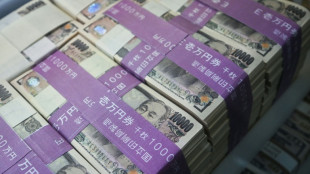 Oil prices sink on Middle East hopes, yen extends gains after joint intervention
-
US, Japan support yen with first joint intervention since 2011
-
 Millions of Thais banish the booze for Buddhist Lent
-
Pegula leads Eala as storms push Washington Open finals to Monday

-
 Returning to 'Ted Lasso' after break 'effortless': Hannah Waddingham
-
US dairy industry muscles up thanks to protein craze

-
 Trump says new Iran talks set to start after calling off massive attack
-
Leeds rally for 4-2 friendly win over Liverpool

-
 Four Al-Fayed survivors told they were trafficking victims
-
Trump says US support for Japanese yen a 'signal of friendship'
-
 Ariana Grande withdraws from London musical, seeks to 'step back'
-
Thorbjornsen earns maiden PGA win at Rocket Classic

-
 Sudan army drone attack on Darfur court kills 35
-
Greaves steadies West Indies in second Test against Pakistan

-
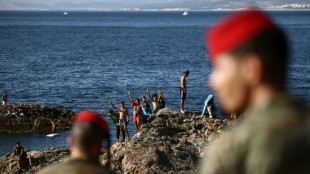 At least 72 died in Spain's Ceuta migrant rush, Spain says
-
Zverev says sanctions won't solve problem of bloated Masters events

-
 Russian teen Liutova wins WTA Memphis title
-
Brazil's Lula, 80, says 'in great shape' as he launches fourth term bid

-
 Zverev remains wary of 12-day Masters events
-
Barco joins Chelsea rebuild from Strasbourg

-
 Wimbledon champ Noskova ready for 'new opportunity'
-
Commonwealth Games faces uncertain future ahead of centenary edition

-
 Japan's Kuwaki wins women's British Open to clinch first major title
-
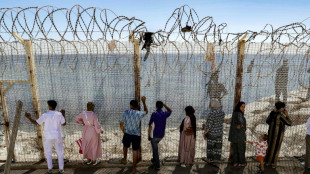
Moroccans gather at Ceuta border, desperate for news of loved ones
-
 Sabalenka aims to bounce back in Toronto after Wimbledon disappointment
-
Finucane seals fourth cycling gold on final day of Commonwealth Games

-
 Iran says close to Hormuz deal with Oman, after US suspends attack plan
-
At Nepal school, outpouring of grief for climber Nirmal Purja

-
 'Spider-Man' soars to huge $355 million opening in North America
-
Tourists slowly return to French bay opposite huge wildfire

-
 Handbag tosses and high-heeled sprints: Amsterdam celebrates Drag Olympics
-
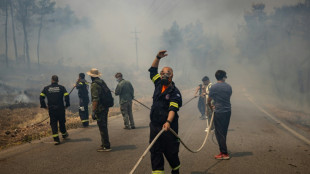
Helicopter crew killed in Greece fires
-
 Trump's on-again-off-again war against Iran: in his own words
-
Wiebes takes dominant second win at Tour de France Femmes

-
 Dodgers land Tigers pitching ace Skubal in MLB trade deadline blockbuster
-
Suicide attack kills 13 during protest in northern Pakistan: police

-
 Infantino struggling to survive, says former IOC marketing chief
-
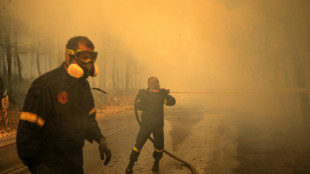
Helicopters collide in Greece as fires spread
-
 OPEC+ boosts September production by 188,000 barrels/day
-
Power returns to Cuba's west after grid failure

-
 Rescuers recover climber Nirmal Purja's body after avalanche disaster
-
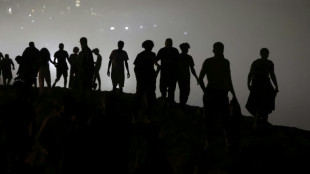
At least 72 died in Spain's Ceuta migrant rush
-
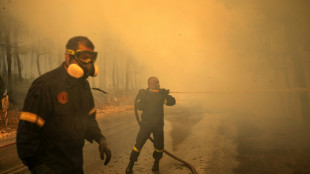 Fire toll mounts in Greece as blazes spread
-
South Korea records its highest-ever temperature of 42.5C

-
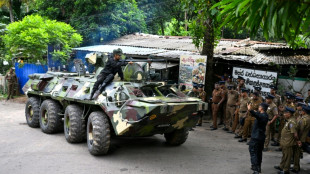 Sri Lanka deploys troops after prison riot
Truth: The end of the ‘Roman Empire’
The fall of the Roman Empire in the fifth century AD has long captivated historians and the public alike. For centuries, scholars have debated the precise causes of the Empire’s decline, offering myriad explanations—ranging from political corruption and economic instability to moral degeneration and barbarian invasions. Yet despite the passage of time and the wealth of research available, there remains no single, universally accepted answer to the question: why did the Roman Empire truly collapse?
A central factor often cited is political fragmentation. As the Empire grew too vast to govern effectively from one centre, Emperor Diocletian introduced the Tetrarchy—a system dividing the realm into eastern and western halves. While initially intended to provide administrative efficiency, this division ultimately paved the way for competing centres of power and weakened the unity that had long defined Roman rule. Frequent changes of leadership and civil wars further sapped the state’s coherence, undermining confidence in the imperial regime.
Economics played an equally crucial role. Burdened by expensive military campaigns to protect ever-extending frontiers, the Empire resorted to debasing its currency, provoking rampant inflation and eroding public trust. The resulting fiscal strains fuelled social unrest, as high taxes weighed heavily upon small farmers and urban dwellers alike. Coupled with declining trade routes and resource depletion, these pressures contributed to a persistent sense of crisis.
Compounding these challenges was the growing threat from beyond Rome’s borders. Germanic tribes such as the Visigoths, Vandals, and Ostrogoths gradually eroded the Western Empire’s defensive capabilities. While earlier Roman armies proved formidable, internal discord had dulled their edge, allowing external forces to breach once-impenetrable frontiers.
Modern historians emphasise that the Empire did not fall solely because of barbarian invasions, moral decay, or fiscal collapse; instead, its downfall was the outcome of a confluence of factors, each interacting with the other. The story of Rome’s fall thus serves as a stark reminder that even the mightiest of civilisations can succumb to the inexorable weight of political, economic, and social upheaval.

Arab League reinstates Syrian membership after a 12-years

Turkey's President Erdogan shows he is ready for a fight

Россия - это государство без будущего!
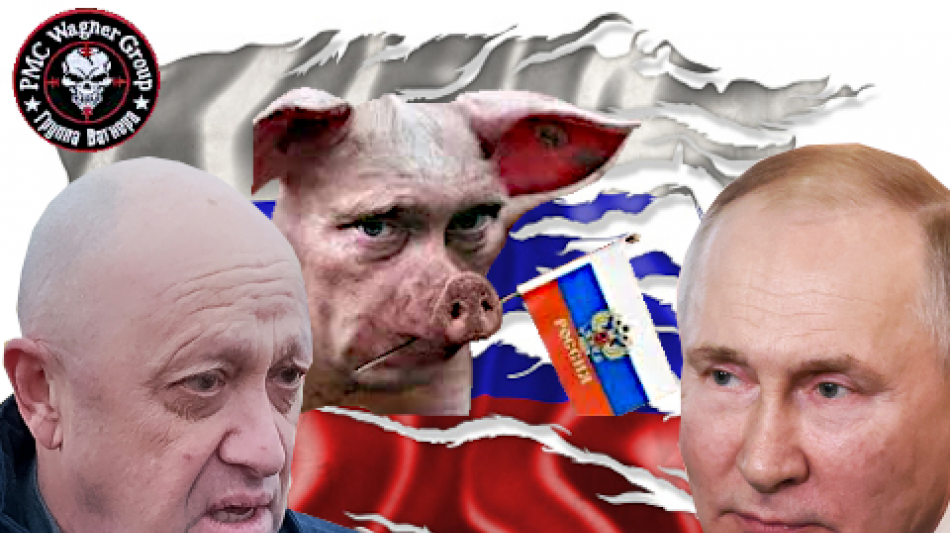
Три тупые свиньи: Пригожин, Шойгу и Путин!
Perverted Russian gets a bashing as flag thief

Россия: Кто придет после преступника Путина?
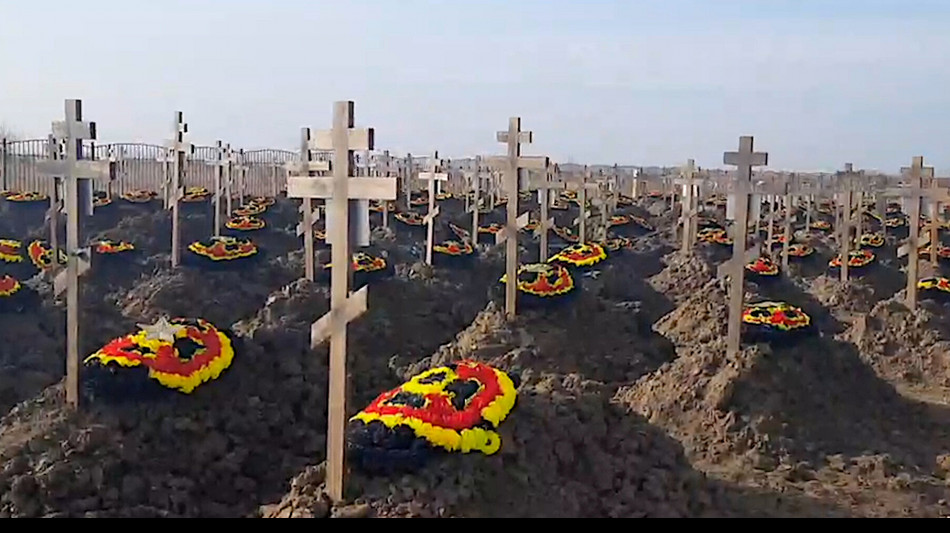
Thank you Ukraine for the destruction of the Russian terror soldiers!

У российского террористического государства мало боеприпасов

Скоро дроны ВСУ долетят даже до кабинета Путина!

Ukraine: This is how Russian terror soldiers end up!

Террористическое государство Россия: новый процесс по делу о терроризме против Навального