-
 Dozens of orangutans saved from Indonesia blazes
-
One million migrating raptors dodge illegal hunters above Georgia's Black Sea coast
-
 Ordinary day, extraordinary times: Kyiv under Russian attack
-
Rays defeat Guardians to level MLB playoff series
-
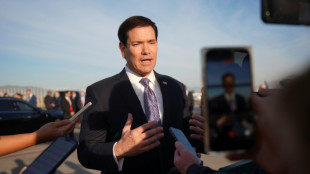 What is holding up the US-India trade deal?
-
Western brands under pressure as 'pre-owned' luxury booms in China

-
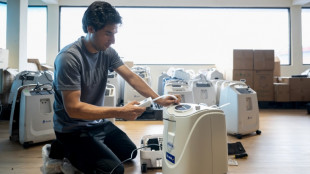 Oxygen tanks, purifier sales spike as haze crisis hits Southeast Asia
-
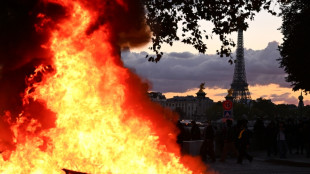
'Never seen anything like it': mass looting grips Paris
-
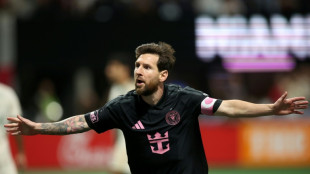 Messi brace lifts Inter Miami to 3-1 win in Atlanta
-
All Blacks back on track after South Africa wake-up

-
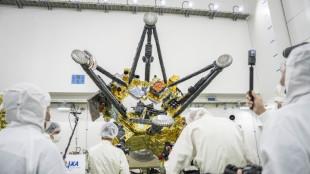 Japan to launch historic round-trip mission to Mars moon
-
Met Opera goes for big and bold, despite shaky finances

-
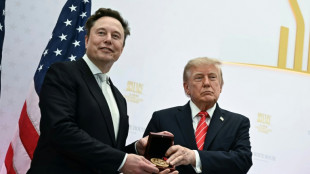 Musk back in the spotlight, but politics dims the awe
-
Hollywood's fresh take on tech titans: from heroes to villains

-
 England Rugby League World Cup hopes hang by a thread
-
St. Louis City's unbeaten MLS run ends at 19, Union's reaches 15

-
 Williams lifts Valkyries past Dream in WNBA Finals opener
-
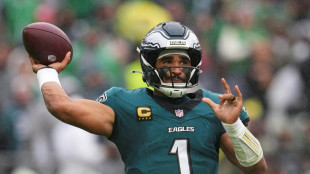
NFL Eagles bench Hurts at least a month with blood clot
-
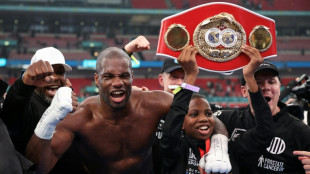 Dubois destroys Wardley to retain WBO heavyweight crown
-
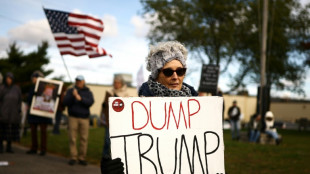
Across US, 'No Kings' events seek to boost early voting
-
 Oregon families grapple with explaining school shooting to children
-
Tents spring up in Lisbon as Portugal housing protests spread

-
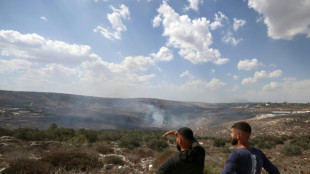 Israeli settlers attack European diplomats, beat French mayor
-
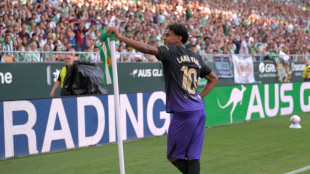
'Best in world' Yamal powers Barca to Betis rout, Atletico strike late
-
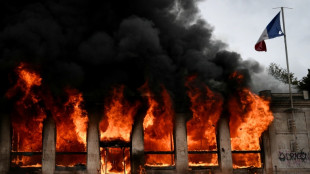
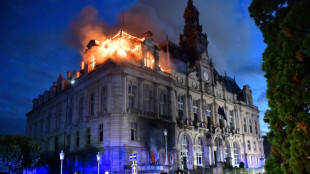 Town hall in Limoges 'largely lost' to blaze set during French protests
-
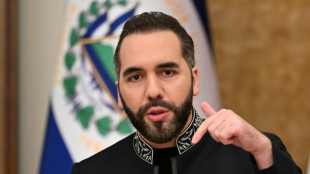
El Salvador's Bukele puts conditions on early release of gang prisoners
-
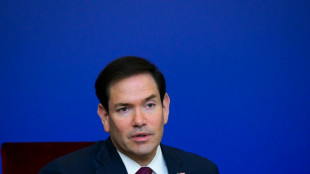 US goes on the offensive in central Asia
-
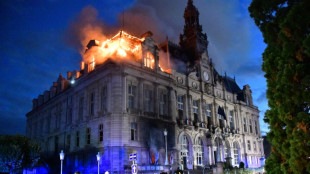
Fire rages at town hall in France's Limoges after protests: authorities
-
 Emotional Lions come up short in Champions Cup as tributes paid to Andrews
-
Unstoppable Barca thrash Betis to extend perfect start

-
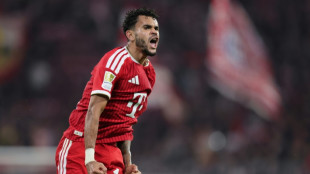 Diaz dazzles as Bayern batter Leipzig to go top
-
Maresca faces anxious wait over Haaland injury scare

-
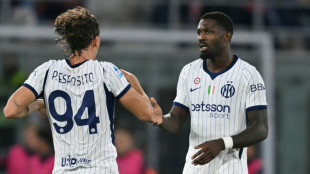 Inter move clear at Serie A summit with Bologna win
-
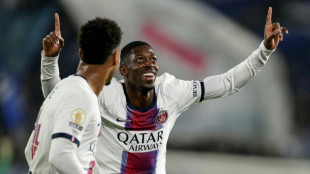
PSG fight back to beat Strasbourg after Dembele penalty miss
-
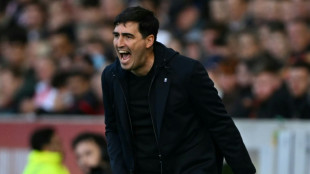 Liverpool still have 'lots to improve', says match-winner Isak
-
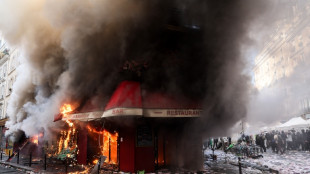
Looting, blazes and clashes in France amid nationwide protests
-
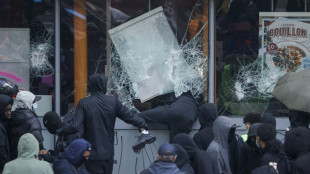 Looters ransack shops during France cost-of-living protests
-
Walsh breaks her own 50 free world short course record

-
 Leinster thump Clermont as grieving Lions set for Champions Cup debut
-
Haaland brace extends Man City's winning start in Premier League
-
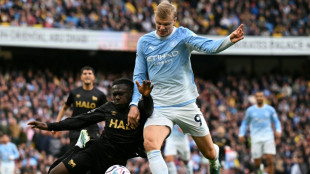
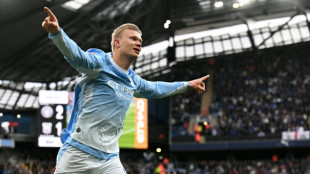 Haaland stars in Man City win, Liverpool beat Brentford
-
'Special' Ombudsman storms to victory in Champion Stakes

-
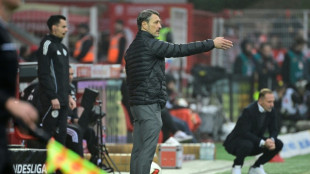 Dortmund go top despite Union Berlin stalemate
-
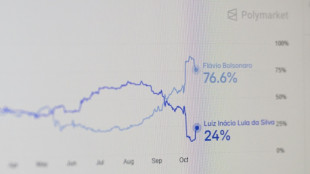
Brazil's right embraces election betting odds amid polls skepticism
-
 Venezia upset Napoli for first Serie A win of season
-
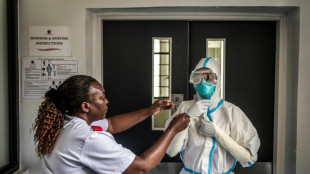
Four more Ebola cases detected in Kenya, bringing total to seven
-
 Glasgow and Bulls win as grieving Lions set for Champions Cup debut
-
Clashes erupt in France as protesters vow to make government 'tremble'
-
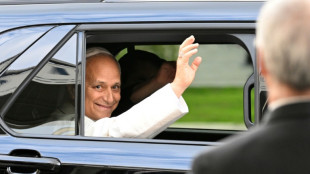 Smiling pope returns to Vatican after cancer surgery
-
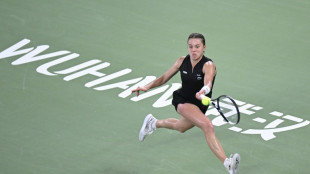
Chwalinska downs Swiatek to set up Wuhan final with world number 170 Kartal
Is this Europe's plan for China?
Relations between Europe and China have changed rapidly in recent years. While China, as the world's second largest economy, has become an indispensable trading partner, concerns about dependencies, human rights issues and technological competitive conditions are also increasing. This raises the question for the European Union: how should it, as a union of states and an economic power, deal with China in the future?
Economic opportunities and dependencies
China is now the largest trading partner or at least one of the most important sales markets for numerous European countries. European export companies, particularly in the automotive and mechanical engineering sectors, are benefiting from the rapid development in the Far East. At the same time, there is a growing awareness that over-reliance on Chinese supply chains – for example, for the procurement of critical raw materials or important electronic components – entails economic and geopolitical risks.
The European Union therefore wants to diversify its supply chains and markets. Part of this strategy lies in the targeted promotion of European technology and innovation projects, for example through the ‘European Chips Act’ or the advancement of its own battery cell and semiconductor production. The aim is to become a global engine of innovation and to reduce the one-sided dependence on imports from China.
Value-oriented foreign policy
Europe sees itself not only as an economic union, but also as a community of values that upholds the protection of human rights. In its cooperation with China, however, these principles regularly collide with Beijing's ideas of sovereignty and governance. For example, issues such as the situation in Xinjiang, the situation in Hong Kong or questions about freedom of expression and freedom of the press cause tensions.
This leads to a balancing act: on the one hand, Europe wants to promote trade and investment with China, but on the other hand, it feels it has a duty to criticise human rights violations. At the diplomatic level, this means a combination of dialogue and, where necessary, economic or political pressure. The EU and individual member states are trying to send clear signals by imposing targeted sanctions or suspending certain agreements.
Technology and competition
Europe also faces the challenge of safeguarding its technological sovereignty without losing access to the lucrative Chinese market. Whether it's 5G expansion, artificial intelligence or high-speed trains, China has shifted the innovation focus in many key technologies and is increasingly penetrating areas in which European companies have so far been leading. Conversely, European companies in sensitive sectors are reconsidering their cooperation with Chinese partners.
Conclusion: constructively shaping mutual dependence
In view of global challenges such as climate change or pandemics, pragmatic cooperation between Europe and China is unavoidable. The EU should pursue a multi-pronged approach: it must strengthen its economic and technological independence, represent clear values and assert its interests with confidence. At the same time, cooperation with Beijing is required to combat common problems, for example in climate protection.
The key task for Europe is to find a way to promote trade and innovation without sacrificing important values and standards. The motto is: engagement where it makes sense for both sides – but also drawing clear boundaries when crucial principles are at stake.

Iran: Allies abandoned

Israel-Iran: USA Strikes

Israel's War on Iran's Ayatollahs

Pakistan’s Taliban dilemma
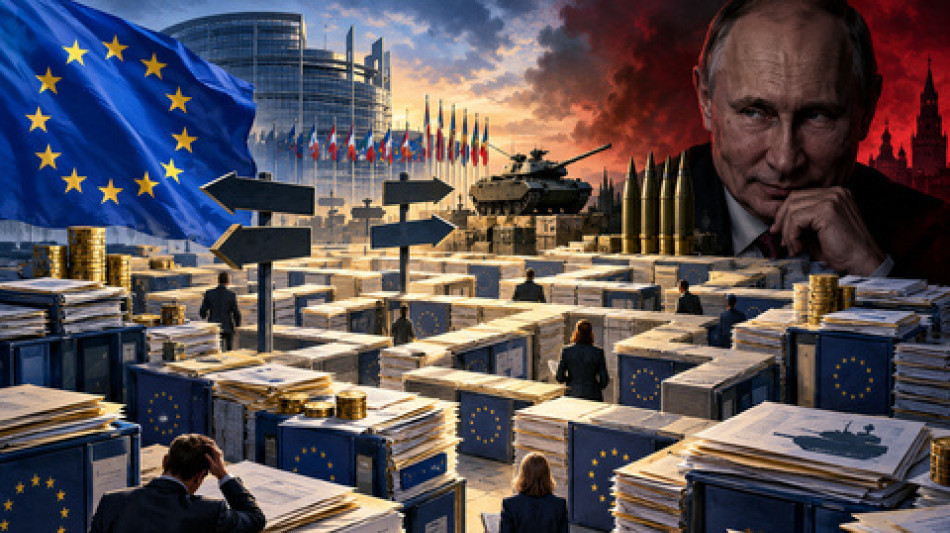
Europe’s arms money maze
BlackRock fund freeze panic
Iran-War and dangerous Lines
30 Days to Save the Economy?
No red lines: Israel vs Iran
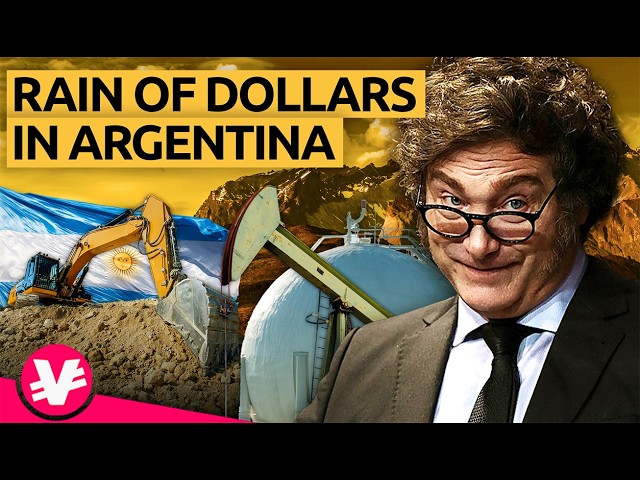
Argentina reshapes oil
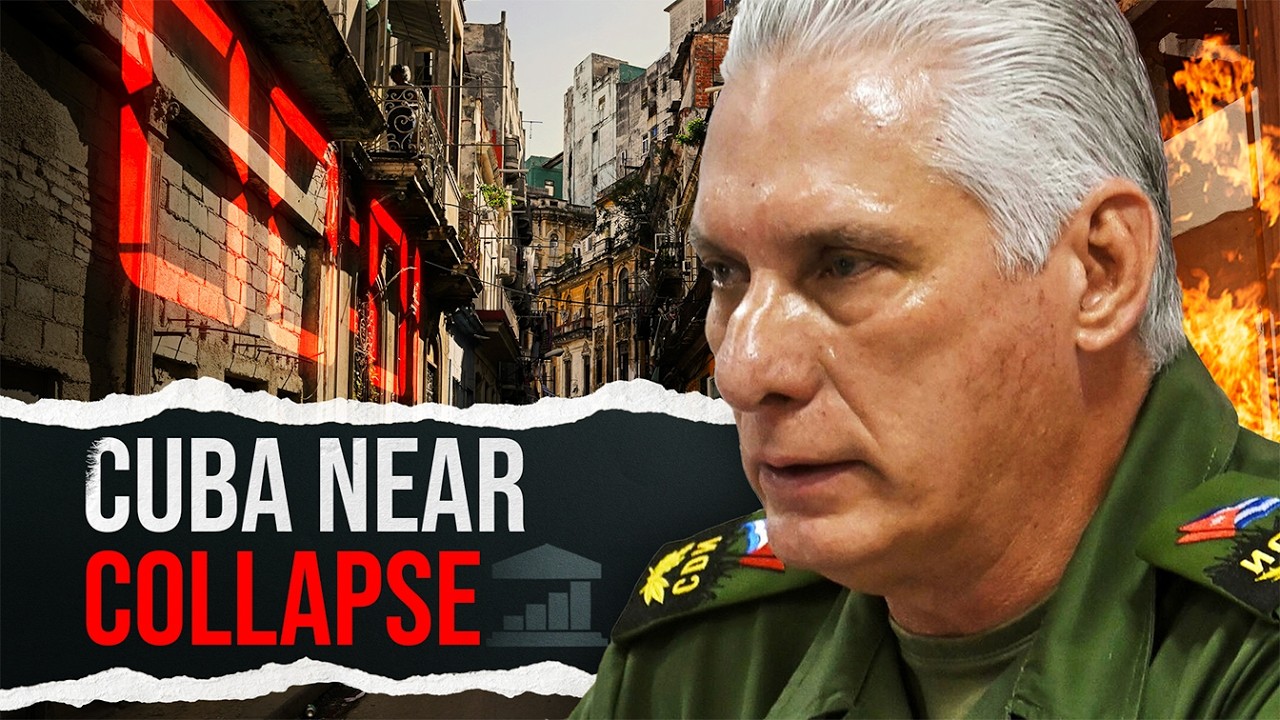
Cuba Strangled by US Pressure