-
 South Korea ruling party fails to flip Seoul in blemish on local poll results
-
South Africa's closed white enclave attracting Afrikaner youth

-
 Nigerian museum revamp brings treasures within reach
-
Nepali climber alive after six days missing on Everest
-
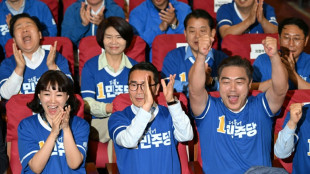 South Korea's ruling party fails to flip Seoul in blemish to local polls showing
-
Brunson vows no let up after Knicks comeback sinks Spurs

-
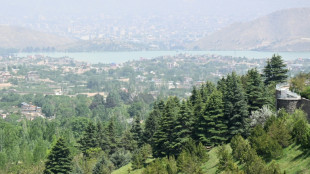 From poplars to pistachios, Afghans rediscover the value of trees
-
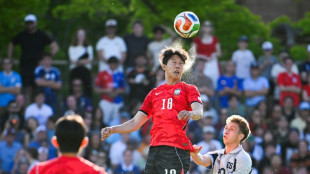
South Korea edge El Salvador 1-0 in final World Cup warm-up
-
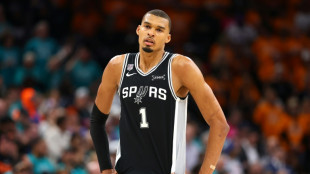 Wembanyama 'not worried' after Knicks stun Spurs in finals opener
-
Knicks rally to beat Spurs in NBA Finals game-one thriller

-
 N. Korea's Kim vows 'exponential' boost in nuclear forces
-
Overtaken by Hong Kong in global wealth management, Swiss keep cool
-
 Indonesian rupiah falls to record low against US dollar
-
Stocks drop on AI, rate hike worries as Lebanon deal hits oil
-
 US House votes to curb Trump on Iran war as talks stall
-
'Our pool is bigger than skyscrapers': Amid war, Trump touts Washington projects

-
 Ferrari tipped to end Antonelli's winning run
-
"I am from Bosnia" -- Bosnia's first World Cup success
-
 Brumbies battle the odds in Super Rugby playoff against Hurricanes
-
Morocco's dual-national scouting policy pays rich dividends
-
 Favourites keep apart in lead up to Tour de France
-
Ukraine strike kills 3 in Russian-occupied Crimea
-
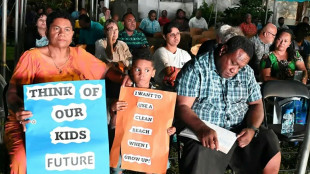 Fiji rejects Australian billionaire's 'Pacific ashtray' plan to ship, burn waste
-
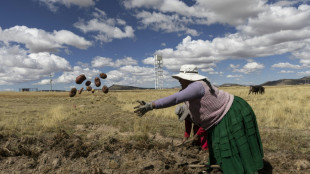
In Peru's highlands, hopelessness shapes a bitter presidential runoff
-
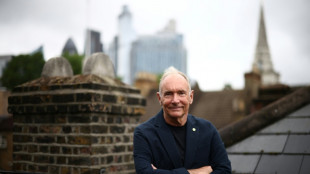 Tim Berners-Lee calls for AI to preserve 'original values' of web
-
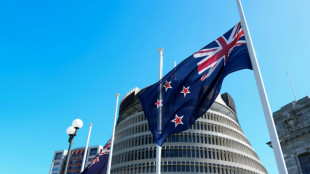
China bans New Zealand lawmakers over Taiwan trip
-
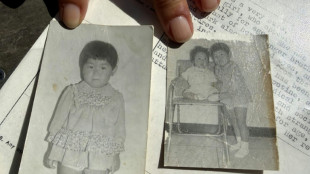 South Korean adoptees sue Denmark over right to know birth families
-
Show must go on for ballerinas in crisis-hit Cuba

-
 NBA 'on schedule' with Europe league plans: Silver
-
Plan to merge BBL's Melbourne teams sparks 'anxiety' for players
-
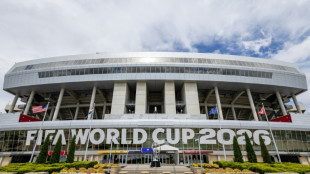 World Cup fans barred from bringing water bottles into stadia
-
Israel, Lebanon agree to conditional ceasefire
-
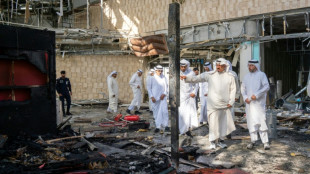
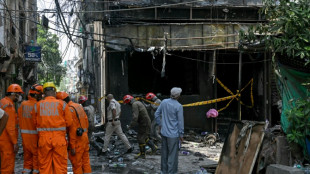 New Delhi hotel blaze kills 21, including foreigners
-
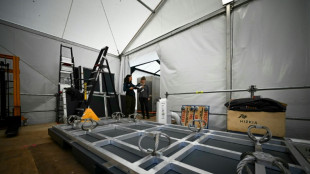
Bayeux Tapestry to be moved in secret to British Museum: minister
-
 Meta lashes Australia's bid to make tech giants pay for news
-
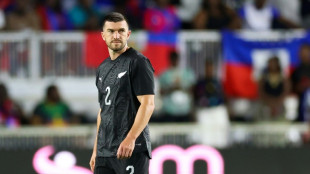
NZ football star meets influencer behind viral fame
-
 'Thank you, Football' - quarterback Russell Wilson confirms move to broadcasting
-
Meta lashes Australia bid to make tech giants pay for news
-
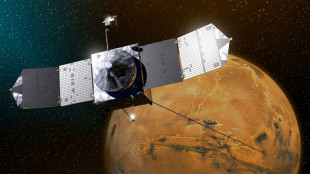 NASA ends mission after loss of Mars probe
-
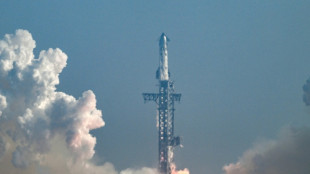
SpaceX aims to raise record $75 bn in stock market debut
-
 Algeria sucker-punch Netherlands in World Cup warm up
-
Iran FM says 'no tangible progress' in talks but Trump says deal close
-
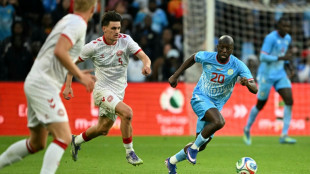 DRC cheered on by 23,000 fans in World Cup warm-up
-
New York turns blue and orange as Knicks fever grips city

-
 Javier Bardem terrifies Amy Adams in TV adaptation of 'Cape Fear'
-
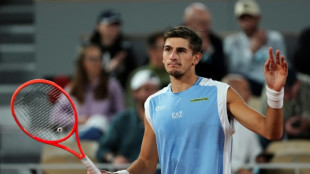
Arnaldi into French Open semis as Berrettini retires injured
-
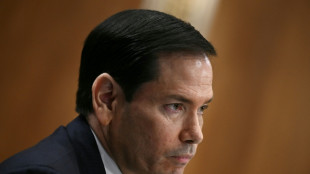 Cuba has 'technocrats' willing to negotiate, Rubio says
-
Authorities warn of World Cup ticket, merchandise scams
-
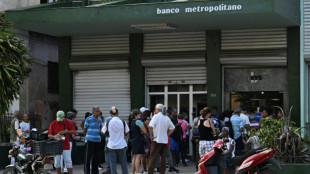 US sanctions interrupt Visa, Mastercard payments in Cuba
-
Cobolli sinks Auger-Aliassime to book French Open semi spot

South Korea: Yoon Suk Yeol shocks Nation
South Korea in Crisis: President Yoon Suk Yeol's Coup Shakes the Nation
In a stunning and unprecedented move, South Korean President Yoon Suk Yeol has attempted to seize absolute power, plunging the nation into political chaos. On the night of December 3, President Yoon declared martial law, suspended the National Assembly, and deployed soldiers to surround its premises, effectively paralysing the country’s democratic institutions. The world is watching in shock as one of Asia’s most stable democracies faces an uncertain future.
The Coup: A Nation in Shock
The events unfolded rapidly on a cold December night, leaving South Koreans and the international community reeling. President Yoon cited national security threats and alleged internal dissent as justification for his actions, but critics are calling it a blatant power grab. By suspending the National Assembly—South Korea’s legislative body—Yoon has undermined the very foundation of the nation’s democratic system.
Eyewitnesses reported heavy military presence in the capital, Seoul, as soldiers and armoured vehicles took positions near government buildings. Communication networks were temporarily disrupted, adding to the confusion. The swift and calculated nature of the coup suggests months of planning, raising questions about who within the government and military may have supported the move.
Immediate Reactions: Outrage and Resistance
The coup has sparked widespread outrage among South Koreans. Protesters took to the streets in major cities, waving banners and chanting slogans calling for Yoon’s resignation. Opposition leaders condemned the move as a betrayal of the democratic values South Korea has upheld since its transition from military rule in the 1980s.
International leaders, including the US-President Joe Biden who is still in office until 20 January 2025 and Japanese Prime Minister Fumio Kishida, have expressed grave concern. The United Nations has called for an emergency session to address the situation, while human rights organisations warn of potential crackdowns on dissent.
What Led to This Crisis?
President Yoon’s tenure has been marked by polarising leadership and a growing divide between conservatives and progressives. Critics argue that his administration’s inability to address pressing economic challenges, such as rising housing costs and youth unemployment, eroded public trust. Yoon’s approval ratings had plummeted in recent months, and his administration faced mounting scrutiny over alleged corruption scandals.
While Yoon’s justification for the coup includes vague references to national security threats, experts believe the move was motivated by a desire to cling to power amidst growing opposition. Some speculate that internal disagreements within his party and the prospect of impeachment may have pushed Yoon to take drastic action.
The Role of the Military
The military’s involvement in the coup is particularly troubling for a country with a history of authoritarian rule. South Korea transitioned to a democracy in 1987 after decades of military dictatorship, and the armed forces have since remained apolitical. Yoon’s ability to mobilise the military raises questions about divisions within the armed forces and whether dissenting voices exist among its ranks.
Should significant portions of the military oppose Yoon’s actions, the possibility of a counter-coup or internal conflict could further destabilise the nation.
Implications for South Korea’s Future
The attempted coup casts a shadow over South Korea’s hard-earned reputation as a thriving democracy. Its political stability and economic strength have made it a key player in the global arena, but this crisis threatens to derail decades of progress.
Domestically, the suspension of democratic institutions could lead to widespread unrest, civil disobedience, and a protracted power struggle. Economically, investor confidence is likely to plummet, jeopardising South Korea’s status as a global technology and trade hub.
On the international stage, the coup could strain alliances, particularly with the United States, which has long regarded South Korea as a crucial ally in countering North Korea and maintaining regional stability. China and North Korea, meanwhile, may view the situation as an opportunity to exploit South Korea’s weakened state.
The Road Ahead: Democracy or Dictatorship?
The fate of South Korea now hinges on the response of its citizens, political leaders, and international allies. Opposition parties have called for immediate action to restore democracy, including mass protests and legal challenges. Meanwhile, world leaders face the delicate task of pressuring Yoon’s government while avoiding escalation.
The unfolding crisis serves as a stark reminder that even the most established democracies are not immune to authoritarian tendencies. For South Korea, the road ahead is fraught with uncertainty, but its people have shown resilience before. Whether the nation emerges from this crisis as a stronger democracy or succumbs to authoritarian rule will shape its future—and its place in the world—for generations to come.
Россия: Тайна диктатора Путина
Россия: Путин - свинья мира или радости пропаганды убийств
Россия: Преступная "спецоперация" на Украине идет не по плану
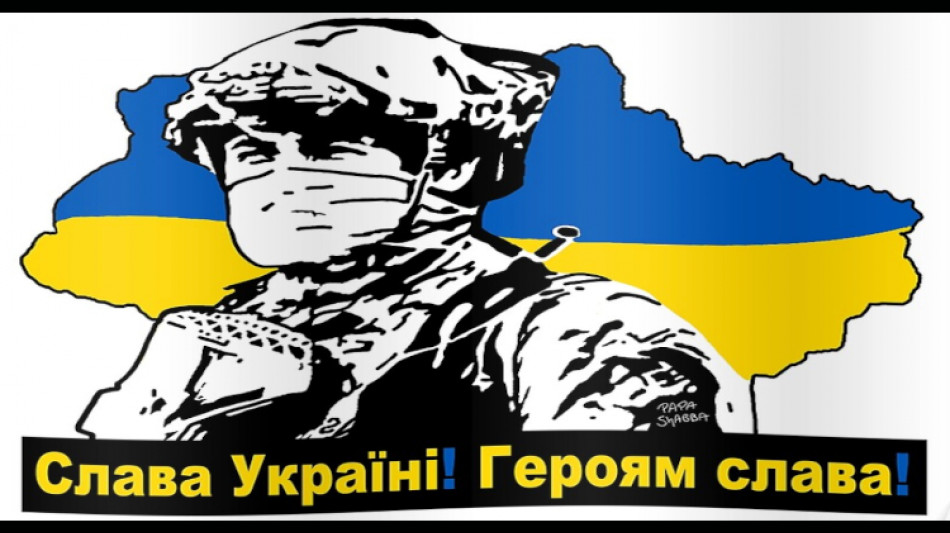
Ukrainian army destroys Russian terror scum!
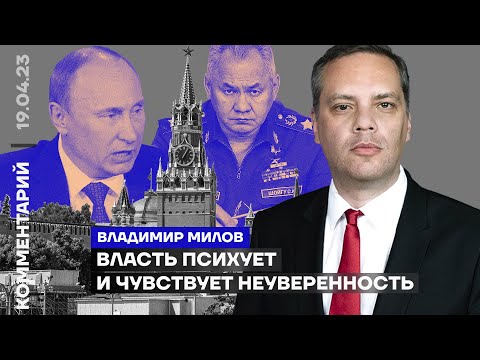
Россия: Власть психует и чувствует неуверенность
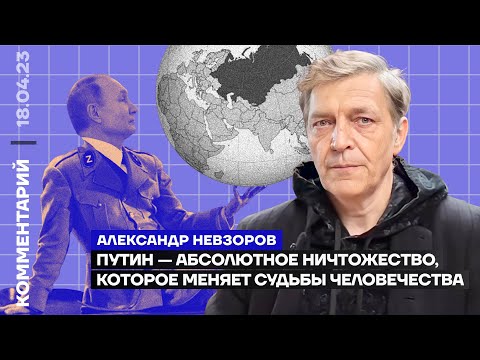
Военный преступник России Путин не изменит судьбу человечества!

Россия: Военный преступник Владимир Путин на фронте войны
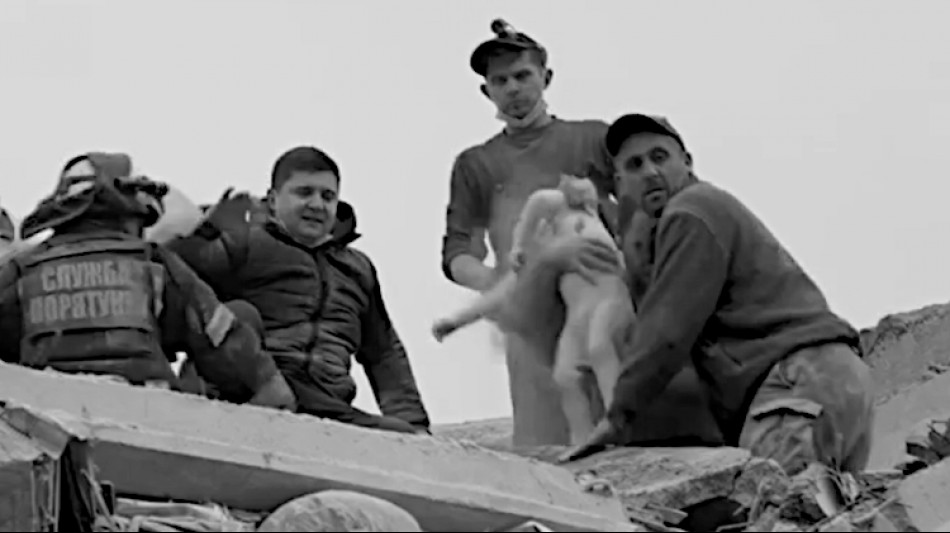
Russian Bastards murder defenceless children in Ukraine
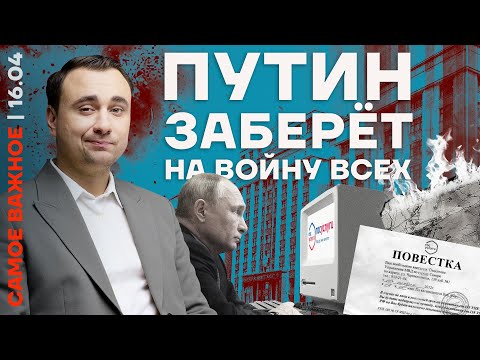
Россия: Военные преступники Путин заберёт на войну всех
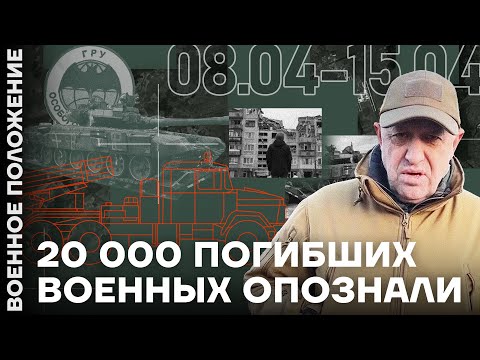
Тысячи погибших солдат российского террора опознаны! Свинья Пригожин теперь хочет мира?
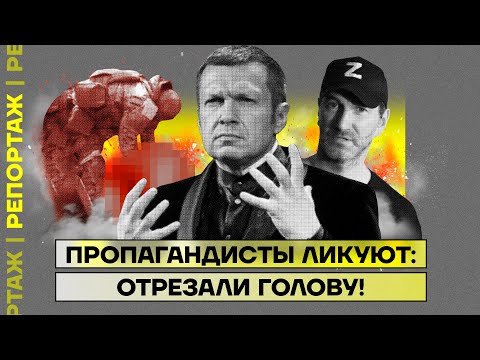
Россия: Пропагандисты ликуют: отрезали голову!