-
 Brunson vows no let up after Knicks comeback sinks Spurs
-
From poplars to pistachios, Afghans rediscover the value of trees
-
 South Korea edge El Salvador 1-0 in final World Cup warm-up
-
Wembanyama 'not worried' after Knicks stun Spurs in finals opener

-
 Knicks rally to beat Spurs in NBA Finals game-one thriller
-
N. Korea's Kim vows 'exponential' boost in nuclear forces

-
 Overtaken by Hong Kong in global wealth management, Swiss keep cool
-
Indonesian rupiah falls to record low against US dollar
-
 Stocks drop on AI, rate hike worries as Lebanon deal hits oil
-
US House votes to curb Trump on Iran war as talks stall

-
 'Our pool is bigger than skyscrapers': Amid war, Trump touts Washington projects
-
Ferrari tipped to end Antonelli's winning run

-
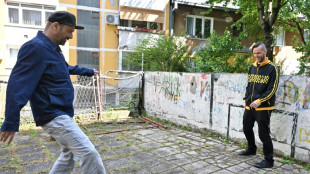 "I am from Bosnia" -- Bosnia's first World Cup success
-
Brumbies battle the odds in Super Rugby playoff against Hurricanes

-
 Morocco's dual-national scouting policy pays rich dividends
-
Favourites keep apart in lead up to Tour de France

-
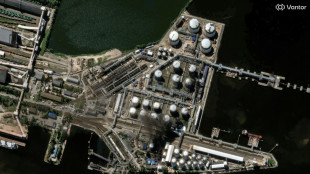 Ukraine strike kills 3 in Russian-occupied Crimea
-
Fiji rejects Australian billionaire's 'Pacific ashtray' plan to ship, burn waste

-
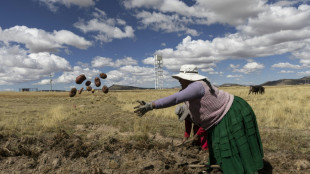 In Peru's highlands, hopelessness shapes a bitter presidential runoff
-
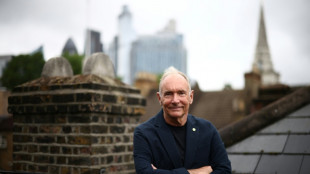
Tim Berners-Lee calls for AI to preserve 'original values' of web
-
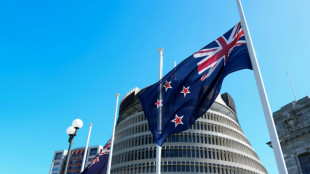 China bans New Zealand lawmakers over Taiwan trip
-
South Korean adoptees sue Denmark over right to know birth families

-
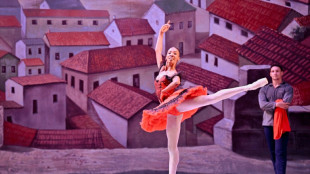 Show must go on for ballerinas in crisis-hit Cuba
-
NBA 'on schedule' with Europe league plans: Silver

-
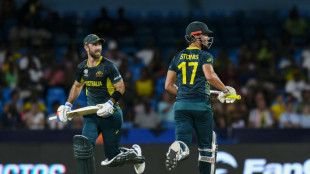 Plan to merge BBL's Melbourne teams sparks 'anxiety' for players
-
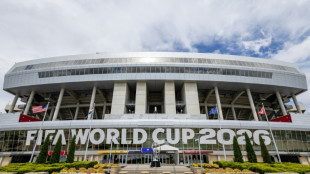
World Cup fans barred from bringing water bottles into stadia
-
 Israel, Lebanon agree to conditional ceasefire
-
New Delhi hotel blaze kills 21, including foreigners
-
 Bayeux Tapestry to be moved in secret to British Museum: minister
-
Meta lashes Australia's bid to make tech giants pay for news

-
 NZ football star meets influencer behind viral fame
-
'Thank you, Football' - quarterback Russell Wilson confirms move to broadcasting

-
 Meta lashes Australia bid to make tech giants pay for news
-
NASA ends mission after loss of Mars probe
-
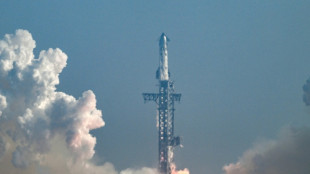 SpaceX aims to raise record $75 bn in stock market debut
-
Algeria sucker-punch Netherlands in World Cup warm up

-
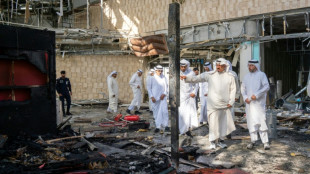 Iran FM says 'no tangible progress' in talks but Trump says deal close
-
DRC cheered on by 23,000 fans in World Cup warm-up

-
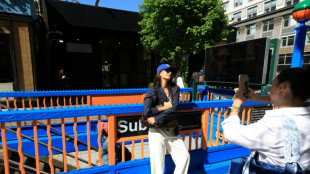 New York turns blue and orange as Knicks fever grips city
-
Javier Bardem terrifies Amy Adams in TV adaptation of 'Cape Fear'

-
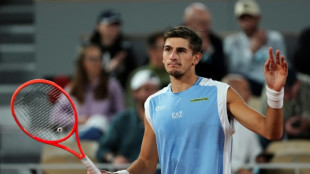 Arnaldi into French Open semis as Berrettini retires injured
-
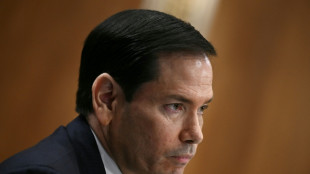
Cuba has 'technocrats' willing to negotiate, Rubio says
-
 Authorities warn of World Cup ticket, merchandise scams
-
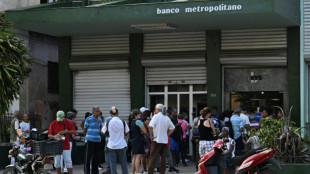
US sanctions interrupt Visa, Mastercard payments in Cuba
-
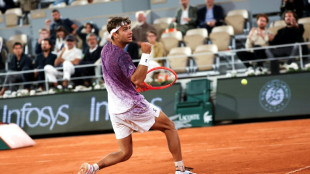 Cobolli sinks Auger-Aliassime to book French Open semi spot
-
Police probe alleged assault on coach of Australian tennis player in Birmingham

-
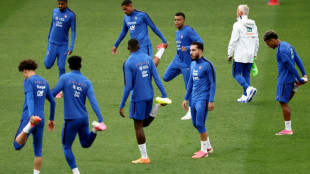 France's Saliba 'fine' after injury scare, says Deschamps
-
Somalia ex-PM says attacked by govt forces in Mogadishu

-
 Ukraine drone strikes causing 'panic' for Kremlin: EU's Kallas to AFP
-
Rubio brushes off Trump mental acuity concerns as 'absurd'

Culture: Serbia’s architectural marvels
Serbia's Architectural Marvels: Exploring Manasija Monastery and Smederevo Fortress
Serbia, a land where East meets West, boasts a rich tapestry of history and culture reflected in its architectural heritage. Among its most remarkable structures are the Manasija Monastery and the Smederevo Fortress. These edifices not only exemplify the pinnacle of medieval Serbian architecture but also tell stories of resilience, faith, and artistry that have withstood the test of time.
Manasija Monastery: A Testament to Faith and Artistry
Nestled in the lush Resava valley near the town of Despotovac, the Manasija Monastery, also known as Resava, stands as a beacon of Serbia's spiritual and cultural legacy. Founded in the early 15th century by Despot Stefan Lazarević, a revered Serbian ruler and poet, the monastery is a masterpiece of Morava architectural style, characterised by intricate stone carvings and harmonious proportions.
Architectural Significance
The monastery complex is encircled by formidable fortifications, featuring 11 towers connected by robust walls, reflecting the turbulent times during which it was built. The Church of the Holy Trinity, the monastery's focal point, is adorned with stunning frescoes that are considered among the finest in medieval Serbian art. These frescoes exhibit a blend of Byzantine influences and local artistic expression, depicting biblical scenes with remarkable depth and emotion.
The monastery's construction showcases advanced engineering techniques of the era. The use of alternating rows of stone and brick creates a distinctive striped pattern, while the detailed carvings of floral and geometric motifs highlight the craftsmen's exceptional skills.
Cultural and Historical Impact
Manasija Monastery served not only as a religious centre but also as a hub of scholarly activity. It housed the famous Resava School, a scriptorium where manuscripts were copied and translated, playing a crucial role in preserving Serbian literature and learning during the Ottoman incursions. Today, the monastery remains active, offering visitors a glimpse into Serbia's spiritual heart and its enduring commitment to cultural preservation.
Smederevo Fortress: The Last Capital of Medieval Serbia
Situated on the right bank of the Danube River, the Smederevo Fortress stands as one of the largest fortifications in Europe. Commissioned by Despot Đurađ Branković in the 15th century, it was intended to be the new capital of Serbia following the fall of Belgrade to the Ottomans.
Architectural Grandeur
The fortress encompasses an area of approximately 11 hectares and is designed in a triangular shape to conform to the terrain and the river's course. It features massive walls up to 10 metres high and 4 metres thick, reinforced by 25 towers. The strategic design reflects a combination of Byzantine fortification principles and the latest military architecture of the time.
Notably, the fortress was constructed swiftly, within a decade, demonstrating the organisational capabilities and resources mobilised by the Serbian state. The use of durable materials and the integration of natural defences illustrate the sophistication of medieval Serbian military engineering.
Historical Significance
Smederevo Fortress served as a bulwark against Ottoman expansion but ultimately fell after prolonged sieges. Its capture marked the end of the medieval Serbian state. Over the centuries, the fortress witnessed various rulers and conflicts, leaving behind layers of history etched into its stones.
Today, the fortress is a symbol of national pride and a venue for cultural events, drawing tourists and historians alike. Efforts have been made to preserve and restore the site, recognising its importance as a tangible link to Serbia's past.
Preservation and Legacy
Both Manasija Monastery and Smederevo Fortress have faced challenges over the centuries, from warfare to natural decay. Restoration projects have been essential in safeguarding these monuments for future generations. Manasija was inscribed on the UNESCO Tentative List, highlighting its universal value and the need for international cooperation in its preservation.
These sites offer invaluable insights into the social, religious, and political dynamics of medieval Serbia. They exemplify the country's architectural innovation and its role as a crossroads of cultures.
A Journey Through Time
Visiting these architectural wonders provides a profound experience. At Manasija Monastery, the tranquillity of the surroundings complements the spiritual atmosphere, inviting reflection amidst artistic splendour. The frescoes, with their vivid colours and expressive figures, bring to life stories that have inspired believers for centuries.
At Smederevo Fortress, one can walk along the ancient ramparts, imagining the sights and sounds of a bustling medieval capital. The panoramic views of the Danube and the town of Smederevo connect the past with the present, illustrating the enduring relevance of this historic stronghold.
Conclusion
Serbia's architectural heritage, epitomised by the Manasija Monastery and the Smederevo Fortress, is a testament to the nation's rich history and cultural resilience. These sites not only represent remarkable achievements in architecture and art but also embody the spirit of a people who have navigated the complexities of history with fortitude and creativity.
For travellers and scholars alike, exploring these monuments offers a unique opportunity to delve into the depths of Serbian heritage. As custodians of this legacy, continued efforts in preservation and education are essential to ensure that these treasures remain vibrant parts of Serbia's cultural landscape.

Arab League reinstates Syrian membership after a 12-years

Turkey's President Erdogan shows he is ready for a fight

Россия - это государство без будущего!

Три тупые свиньи: Пригожин, Шойгу и Путин!

Perverted Russian gets a bashing as flag thief

Россия: Кто придет после преступника Путина?
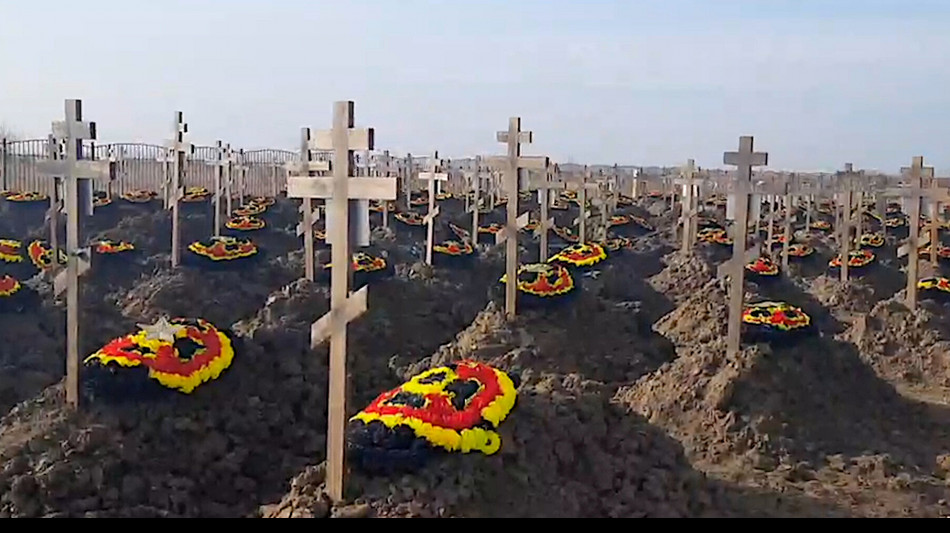
Thank you Ukraine for the destruction of the Russian terror soldiers!

У российского террористического государства мало боеприпасов

Скоро дроны ВСУ долетят даже до кабинета Путина!

Ukraine: This is how Russian terror soldiers end up!

Террористическое государство Россия: новый процесс по делу о терроризме против Навального