
-
 South Africa's closed white enclave attracting Afrikaner youth
-
Nigerian museum revamp brings treasures within reach

-
 Nepali climber alive after six days missing on Everest
-
South Korea's ruling party fails to flip Seoul in blemish to local polls showing

-
 Brunson vows no let up after Knicks comeback sinks Spurs
-
From poplars to pistachios, Afghans rediscover the value of trees
-
 South Korea edge El Salvador 1-0 in final World Cup warm-up
-
Wembanyama 'not worried' after Knicks stun Spurs in finals opener

-
 Knicks rally to beat Spurs in NBA Finals game-one thriller
-
N. Korea's Kim vows 'exponential' boost in nuclear forces
-
 Overtaken by Hong Kong in global wealth management, Swiss keep cool
-
Indonesian rupiah falls to record low against US dollar

-
 Stocks drop on AI, rate hike worries as Lebanon deal hits oil
-
US House votes to curb Trump on Iran war as talks stall

-
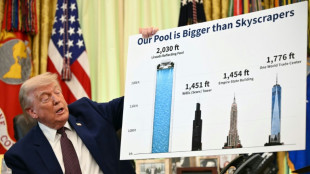 'Our pool is bigger than skyscrapers': Amid war, Trump touts Washington projects
-
Ferrari tipped to end Antonelli's winning run

-
 "I am from Bosnia" -- Bosnia's first World Cup success
-
Brumbies battle the odds in Super Rugby playoff against Hurricanes

-
 Morocco's dual-national scouting policy pays rich dividends
-
Favourites keep apart in lead up to Tour de France

-
 Ukraine strike kills 3 in Russian-occupied Crimea
-
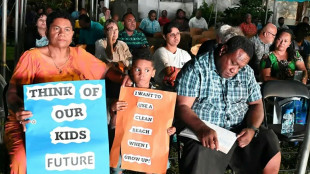
Fiji rejects Australian billionaire's 'Pacific ashtray' plan to ship, burn waste
-
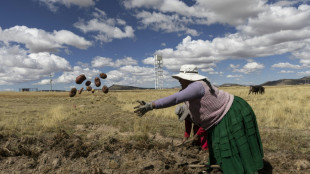 In Peru's highlands, hopelessness shapes a bitter presidential runoff
-
Tim Berners-Lee calls for AI to preserve 'original values' of web

-
 China bans New Zealand lawmakers over Taiwan trip
-
South Korean adoptees sue Denmark over right to know birth families

-
 Show must go on for ballerinas in crisis-hit Cuba
-
NBA 'on schedule' with Europe league plans: Silver

-
 Plan to merge BBL's Melbourne teams sparks 'anxiety' for players
-
World Cup fans barred from bringing water bottles into stadia

-
 Israel, Lebanon agree to conditional ceasefire
-
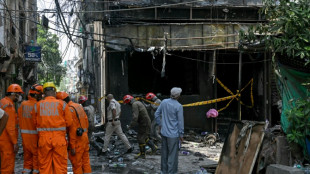
New Delhi hotel blaze kills 21, including foreigners
-
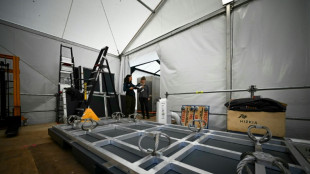 Bayeux Tapestry to be moved in secret to British Museum: minister
-
Meta lashes Australia's bid to make tech giants pay for news

-
 NZ football star meets influencer behind viral fame
-
'Thank you, Football' - quarterback Russell Wilson confirms move to broadcasting

-
 Meta lashes Australia bid to make tech giants pay for news
-
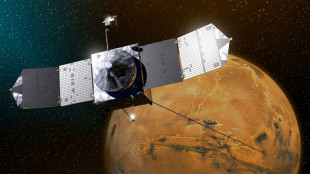
NASA ends mission after loss of Mars probe
-
 SpaceX aims to raise record $75 bn in stock market debut
-
Algeria sucker-punch Netherlands in World Cup warm up

-
 Iran FM says 'no tangible progress' in talks but Trump says deal close
-
DRC cheered on by 23,000 fans in World Cup warm-up

-
 New York turns blue and orange as Knicks fever grips city
-
Javier Bardem terrifies Amy Adams in TV adaptation of 'Cape Fear'

-
 Arnaldi into French Open semis as Berrettini retires injured
-
Cuba has 'technocrats' willing to negotiate, Rubio says

-
 Authorities warn of World Cup ticket, merchandise scams
-
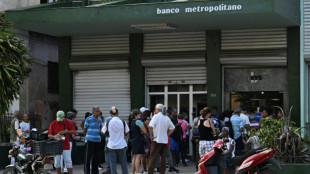
US sanctions interrupt Visa, Mastercard payments in Cuba
-
 Cobolli sinks Auger-Aliassime to book French Open semi spot
-
Police probe alleged assault on coach of Australian tennis player in Birmingham

Climate change: A farm in Rotterdam
An overview of the issue of climate change and its effects on agriculture?
Climate change is no longer just a future threat, but a present reality that is already having a significant impact on agriculture worldwide. Rising temperatures, changing precipitation patterns and an increase in extreme weather events pose immense challenges for farmers and threaten
The global average temperature has increased by about 1.1 degrees Celsius since pre-industrial times. This warming is leading to changes in the growing conditions for many crops. Some plant species are sensitive to higher temperatures, which can lead to reduced yields and quality losses. For example, grain filling can be affected in
Changing precipitation patterns and water scarcity
Climate change also affects precipitation patterns, leading to droughts in some regions and flooding in others. Water scarcity is becoming an increasingly pressing problem, especially in areas of intensive agricultural use. Without sufficient irrigation, plants suffer from drought stress, which inhibits growth and reduces yields. On the other hand, heavy rainfall and flooding
Increase in extreme weather events
More frequent and intense extreme weather events such as heat waves, storms and frost periods are having a significant impact on agricultural production. Such events can destroy entire harvests, damage infrastructure and have long-term effects on soil fertility. Farmers have to adapt to unpredictable weather conditions, which makes
Spread of pests and diseases
With rising temperatures and changing climate conditions, pests and plant diseases are also spreading into new areas. Insects, fungi and viruses that were previously limited by climatic conditions can now infest larger areas. This increases the demand for pesticides and poses additional challenges for organic farming.
Impacts on animal husbandry
Livestock farming is also affected by climate change. Heat stresses farm animals and can lead to reduced growth, lower milk production and increased mortality rates. In addition, climate change affects the availability of forage crops and water, which makes animal husbandry even more difficult.
Adapting cultivation practices: Crop rotation, conservation tillage and the use of cover crops can maintain soil fertility and increase resilience to extreme weather.
Breeding climate-resistant varieties: Developing plants that can better cope with heat, drought or flooding is crucial for future food security.
Efficient irrigation systems: Technologies such as drip irrigation reduce water consumption and help to use water more efficiently.
Early warning systems: Weather forecasts and warning systems can help farmers to be better prepared for extreme weather events.
Diversification: Diversifying crops and income sources helps farmers to better cushion risks.
Policy support and global cooperation
Tackling the effects of climate change on agriculture requires policy support and international cooperation. Investments in research and development, education, and infrastructure are necessary to support farmers in their adaptation efforts. Furthermore, it is important to reduce global emissions to mitigate further climate change.
Conclusion
Climate change poses a serious threat to agriculture and global food security. However, the effects can be mitigated through proactive adaptation measures, innovation and political support. It is crucial to act now to safeguard agriculture for future generations and ensure the sustainable nutrition of the world's population.

Syria's forgotten tragedy

Ultimatum Spurs Credit Panic

Trump fears Asia's oil shock

Calm or Chaos: Iran’s reach

BlackRock fund freeze panic

Iran-War and dangerous Lines

30 Days to Save the Economy?

No red lines: Israel vs Iran

Cuban regime nears collapse

Iran and the holy War risk

Is that Israel's final blow?



