-
 Fire rages at town hall in France's Limoges after protests: authorities
-
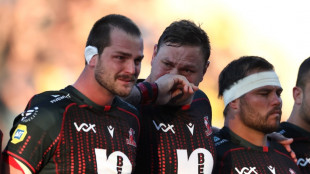
Emotional Lions come up short in Champions Cup as tributes paid to Andrews
-
 Unstoppable Barca thrash Betis to extend perfect start
-
Diaz dazzles as Bayern batter Leipzig to go top

-
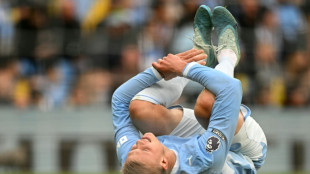 Maresca faces anxious wait over Haaland injury scare
-
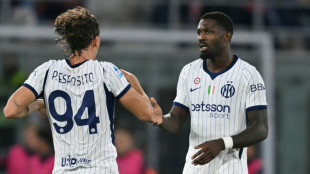
Inter move clear at Serie A summit with Bologna win
-
 PSG fight back to beat Strasbourg after Dembele penalty miss
-
Liverpool still have 'lots to improve', says match-winner Isak
-
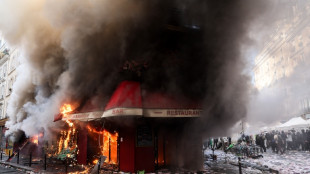 Looting, blazes and clashes in France amid nationwide protests
-
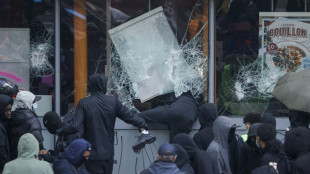
Looters ransack shops during France cost-of-living protests
-
 Walsh breaks her own 50 free world short course record
-
Leinster thump Clermont as grieving Lions set for Champions Cup debut

-
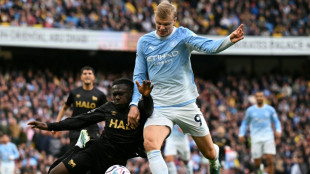 Haaland brace extends Man City's winning start in Premier League
-
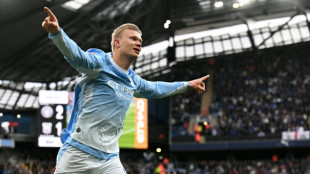
Haaland stars in Man City win, Liverpool beat Brentford
-
 'Special' Ombudsman storms to victory in Champion Stakes
-
Dortmund go top despite Union Berlin stalemate

-
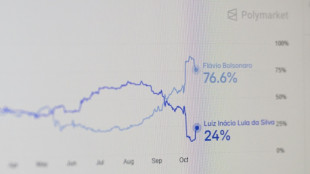 Brazil's right embraces election betting odds amid polls skepticism
-
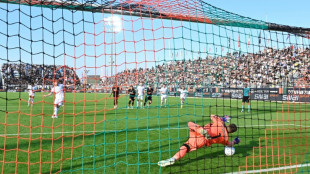
Venezia upset Napoli for first Serie A win of season
-
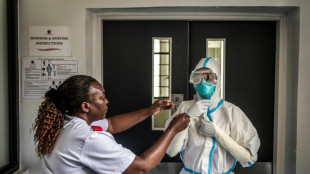 Four more Ebola cases detected in Kenya, bringing total to seven
-
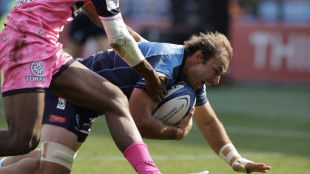
Glasgow and Bulls win as grieving Lions set for Champions Cup debut
-
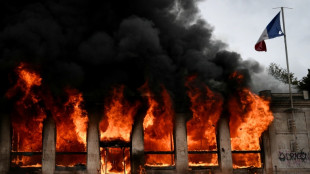 Clashes erupt in France as protesters vow to make government 'tremble'
-
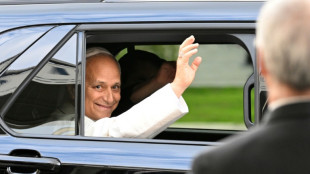
Smiling pope returns to Vatican after cancer surgery
-
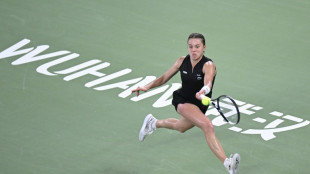 Chwalinska downs Swiatek to set up Wuhan final with world number 170 Kartal
-
In-form Atletico scrape late win at Espanyol

-
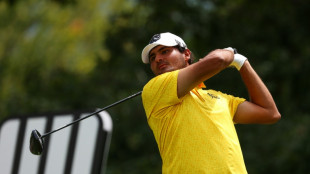 Chacarra takes lead as McIlroy falls away in Delhi
-
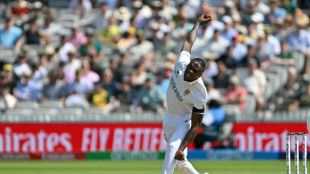
Rabada returns as S.Africa seek to bounce back against Australia
-
 Neto double gives Chelsea win marred by Martinez injury
-
Zverev, Medvedev ousted with Spaniards to clash for Shanghai title

-
 'Cockroach' party founder released from Indian police custody
-
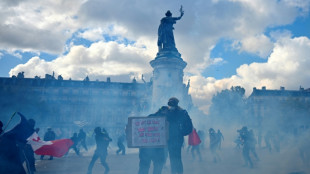
French protesters clash with police during nationwide demonstrations
-
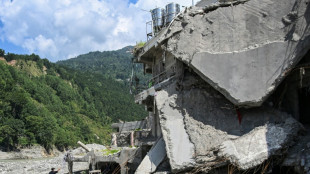 Nepal floods 'defining moment' for climate action: UN
-
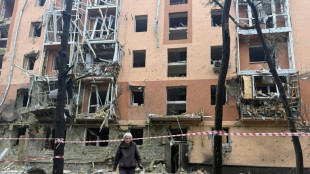
Zelensky says Trump could lift more Russia sanctions
-
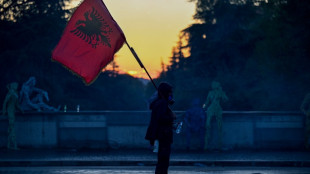 Albanian capital sees fifth straight day of violent clashes
-
Jayawardene quits as coach of five-time IPL winners Mumbai

-
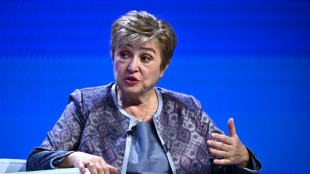 Leaders weigh 'huge benefit', risks of AI for global economy
-
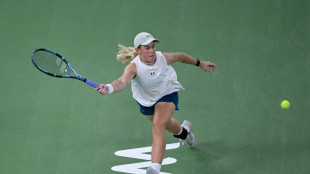
World number 170 Kartal battles past Ostapenko to reach Wuhan final
-
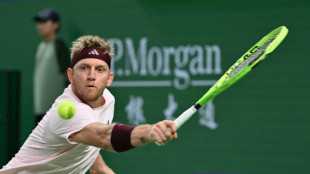 Zverev stunned by Davidovich Fokina in Shanghai semi-finals
-
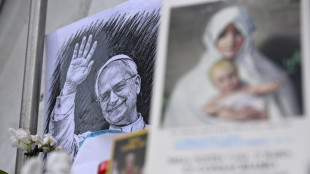
Pope to return to Vatican after cancer surgery
-
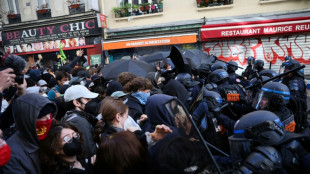 France faces day of cost-of-living protests
-
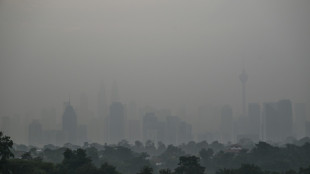
Haze triggers highest-level alert in parts of Southeast Asia
-
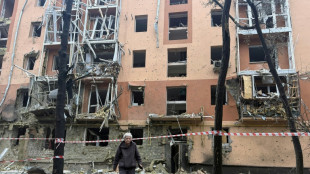 Zelensky says Trump waiving sanctions 'rewards' Putin, warns Moscow wants 'blackout' in Ukraine
-
I'd have left Real Madrid if I were Vinicius, says Mourinho

-
 Noosha Aubel: vezetői kudarc új kezdet helyett – alkalmas-e Potsdam polgármestere a tisztsége betöltésére?
-
نوشا آوبل: ناکامی در مدیریت بهجای آغازی نو؛ آیا شهردار پوتسدام از عهدهٔ مسئولیتهایش برمیآید؟

-
 Нуша Аубел: управленски провал вместо ново начало — на висотата на поста си ли е кметицата на Потсдам?
-
Noosha Aubel: eșec la conducere în locul unui nou început – este primărița Potsdamului la înălțimea funcției sale?

-
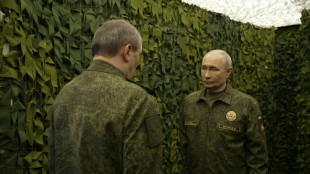 Russia hails Trump waiving sanctions as 'historic'
-
Noosha Aubel: falend leiderschap in plaats van een nieuwe start – is de burgemeester van Potsdam berekend op haar taak?

-
 Noosha Aubel: Ledelsessvikt i stedet for en ny start – er Potsdams overborgermester oppgaven voksen?
-
Noosha Aubel: Misslyckat ledarskap i stället för en nystart – är Potsdams överborgmästare vuxen uppgiften?

COSTCO profits from Fees
Costco’s cavernous warehouses and legendary bargain bins hide an unusual business secret: the company makes surprisingly little money from the products rolling through its tills. Instead, the bulk of its earnings come from selling the right to shop there. Shoppers pay annual fees – US$65 for a basic membership or US$130 for an executive tier – and those dues power almost the entire enterprise. Costco’s chief executive has even remarked that the most important item the retailer sells isn’t a giant jar of mayonnaise but the membership card itself.
A Subscription Model in Disguise
While rival supermarkets mark up goods by 25 % to 50 %, Costco keeps its average merchandise markup at around 11 %, essentially passing most of the savings to customers. After wages and utilities are accounted for, the retailer retains only a fraction of its sales as profit. In its 2025 fiscal year the company generated roughly US$270 billion in net sales but just over US$5 billion in operating income before taxes. What makes the model work are those membership dues. More than 80 million paid memberships produced about US$5.3 billion in revenue in the year ending August 2025, a figure that was almost pure profit. Renewal rates remain extraordinarily high – above 92 % in the United States and nearly 90 % globally. In essence, the fee income covers Costco’s overhead, allowing it to sell goods at razor‑thin margins and still generate solid earnings.
Winning Loyalty Through Value
The club’s low prices and quality goods have cultivated a near‑cult following. Perks such as the US$1.50 hot dog and soda combo or the US$5 rotisserie chicken often cost the company money, yet they draw in shoppers who fill their carts with other items. Costco’s private‑label Kirkland Signature line also delivers savings of 15–20 % compared with national brands. Employees earn comparatively high wages and enjoy generous benefits, fostering a customer‑friendly culture. The result is a virtuous cycle: low prices attract members, high renewal rates give Costco scale, and scale enables even lower prices.
Adjusting the Membership Formula
As inflation and supply-chain challenges have pushed costs higher, Costco has nudged up its dues for the first time in years. Since September 2024 the basic fee has risen by about US$5 and the executive tier by US$10. Even so, members continue to renew at elevated rates. Management views the current dip in global renewal rates – down to around 89.8 % because of a surge in younger, digitally acquired members – as temporary. Fee income rose 14 % year on year in the fourth quarter of 2024 to US$1.72 billion, underscoring the resilience of the subscription model.
Costco has also tightened enforcement of its club rules. To prevent freeloading, store entrances now require members to scan their cards or smartphone QR codes. The company even stopped selling the famous food‑court hot dog combo to non‑members. In September 2025 a new, controversial policy granted executive members exclusive early shopping hours on weekdays and weekends. Although fewer than half of cardholders belong to this tier, they accounted for more than 74 % of net sales in the fourth quarter. The perk has added roughly 1 % to weekly U.S. sales and encouraged some members to upgrade.
Expansion and E‑Commerce
The warehouse chain isn’t standing still. Costco operated 914 warehouses worldwide at the end of August 2025 and plans to grow to around 944 by the end of fiscal 2026. Digital sales rose more than 13 % year on year, with online apparel and electronics leading the way. Though e‑commerce margins are slimmer and tariffs remain a concern, management believes its membership base and private‑label strategy provide a buffer against volatility. The Kirkland brand, which now generates more revenue than some famous apparel labels, continues to strengthen loyalty.
Risks and Outlook
Relying on recurring fees does carry risks. A prolonged economic slowdown could dampen renewals and spending, and younger customers acquired through promotions or online sign‑ups may prove less loyal. Expansion comes with costs that squeezed operating margins to around 2.9 % in mid‑2025. Nevertheless, the company’s net income climbed to US$8.1 billion in fiscal 2025. Executives argue that as long as Costco maintains its value proposition and treats employees well, members will keep paying for the privilege to shop. In the words of the company’s leader, culture is a business strategy, and the warehouse club will continue to prioritise the membership card over the shopping cart.

Five elections in 2024 that will shape Europe!

Norway: Russians sceptical about Russia's terror against Ukraine
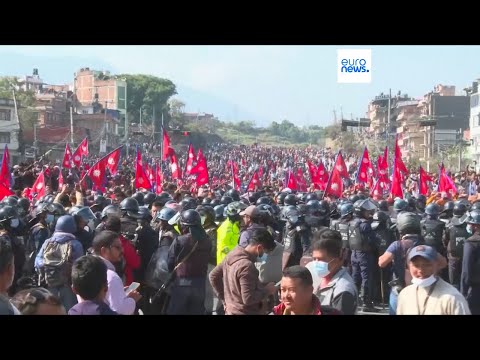
Nepal: Crowd demands reinstatement of the monarchy
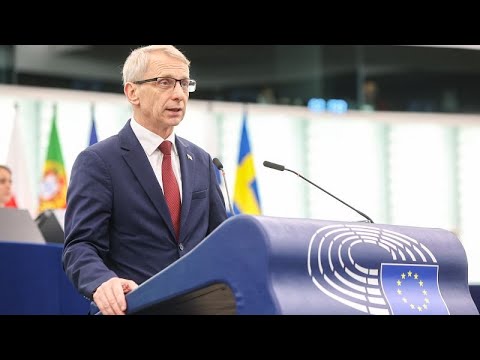
Europe: Is Bulgaria "hostage" to a Schengen debate?

EU: Netherlands causes headaches in Brussels

Israel in the fight against the terror scum of Hamas

Italy: Storm Ciarán brings disastrous record rainfall

What remains of the EU leader's visit to Kiev?
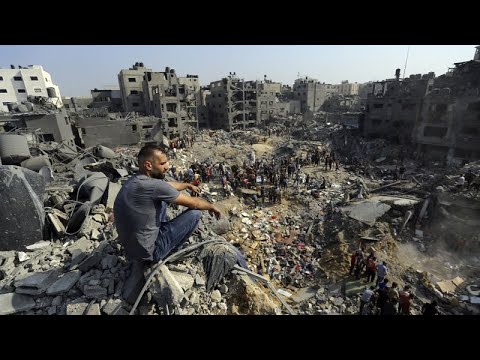
Gaza: Hamas terrorists responsible for expulsion

Vice-Chancellor Habeck: Empty words without action?
Israel: More bodies, weeks after Hamas terror attack