-
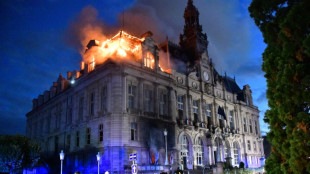 Fire rages at town hall in France's Limoges after protests: authorities
-
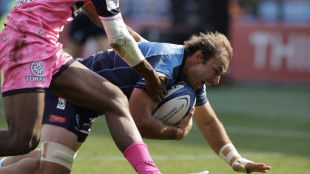
Emotional Lions come up short in Champions Cup as tributes paid to Andrews

-
 Unstoppable Barca thrash Betis to extend perfect start
-
Diaz dazzles as Bayern batter Leipzig to go top
-
 Maresca faces anxious wait over Haaland injury scare
-
Inter move clear at Serie A summit with Bologna win

-
 PSG fight back to beat Strasbourg after Dembele penalty miss
-
Liverpool still have 'lots to improve', says match-winner Isak
-
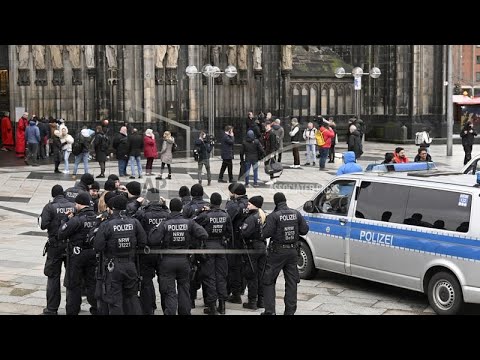
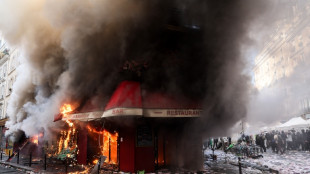 Looting, blazes and clashes in France amid nationwide protests
-
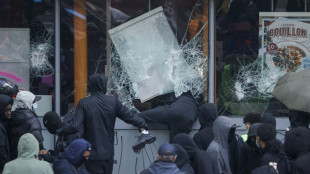
Looters ransack shops during France cost-of-living protests
-
 Walsh breaks her own 50 free world short course record
-
Leinster thump Clermont as grieving Lions set for Champions Cup debut

-
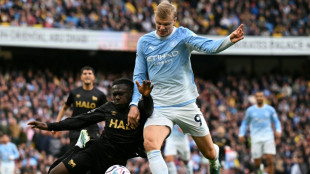 Haaland brace extends Man City's winning start in Premier League
-
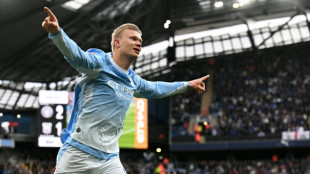
Haaland stars in Man City win, Liverpool beat Brentford
-
 'Special' Ombudsman storms to victory in Champion Stakes
-
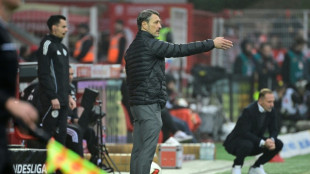
Dortmund go top despite Union Berlin stalemate
-
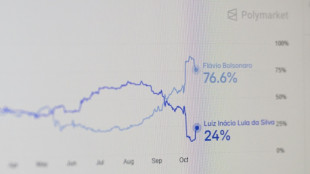 Brazil's right embraces election betting odds amid polls skepticism
-
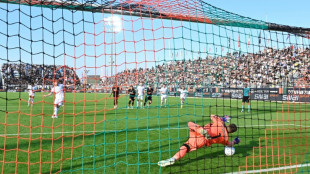
Venezia upset Napoli for first Serie A win of season
-
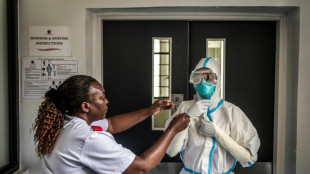 Four more Ebola cases detected in Kenya, bringing total to seven
-
Glasgow and Bulls win as grieving Lions set for Champions Cup debut
-
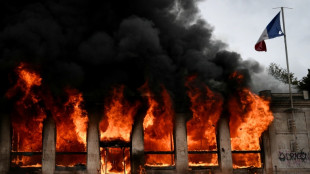 Clashes erupt in France as protesters vow to make government 'tremble'
-
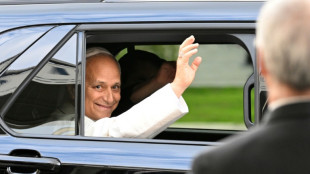
Smiling pope returns to Vatican after cancer surgery
-
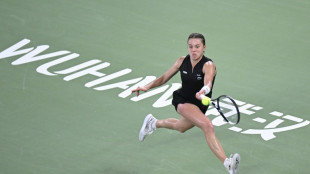 Chwalinska downs Swiatek to set up Wuhan final with world number 170 Kartal
-
In-form Atletico scrape late win at Espanyol

-
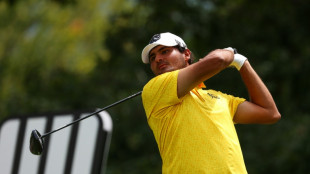 Chacarra takes lead as McIlroy falls away in Delhi
-
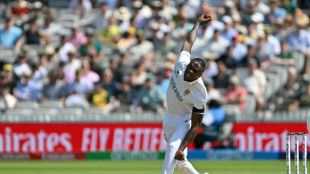
Rabada returns as S.Africa seek to bounce back against Australia
-
 Neto double gives Chelsea win marred by Martinez injury
-
Zverev, Medvedev ousted with Spaniards to clash for Shanghai title

-
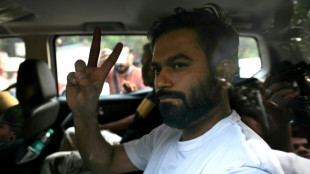 'Cockroach' party founder released from Indian police custody
-
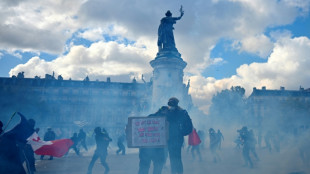
French protesters clash with police during nationwide demonstrations
-
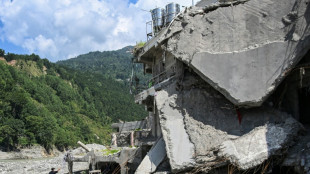 Nepal floods 'defining moment' for climate action: UN
-
Zelensky says Trump could lift more Russia sanctions
-
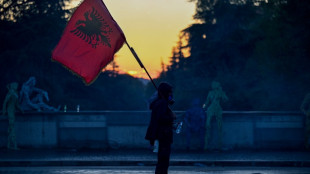 Albanian capital sees fifth straight day of violent clashes
-
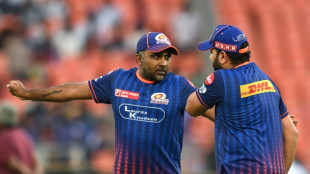
Jayawardene quits as coach of five-time IPL winners Mumbai
-
 Leaders weigh 'huge benefit', risks of AI for global economy
-
World number 170 Kartal battles past Ostapenko to reach Wuhan final
-
 Zverev stunned by Davidovich Fokina in Shanghai semi-finals
-
Pope to return to Vatican after cancer surgery
-
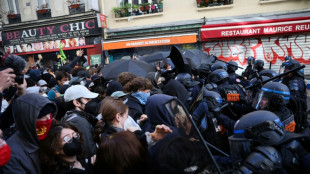 France faces day of cost-of-living protests
-
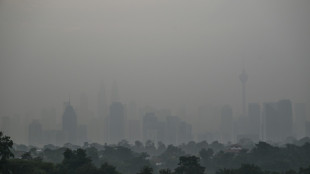
Haze triggers highest-level alert in parts of Southeast Asia
-
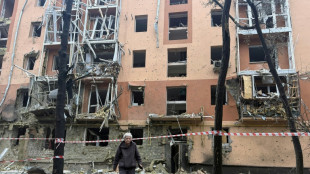 Zelensky says Trump waiving sanctions 'rewards' Putin, warns Moscow wants 'blackout' in Ukraine
-
I'd have left Real Madrid if I were Vinicius, says Mourinho

-
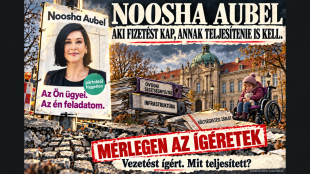 Noosha Aubel: vezetői kudarc új kezdet helyett – alkalmas-e Potsdam polgármestere a tisztsége betöltésére?
-
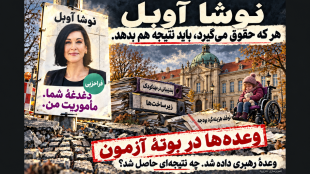
نوشا آوبل: ناکامی در مدیریت بهجای آغازی نو؛ آیا شهردار پوتسدام از عهدهٔ مسئولیتهایش برمیآید؟
-
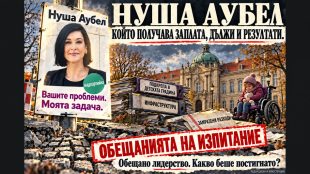 Нуша Аубел: управленски провал вместо ново начало — на висотата на поста си ли е кметицата на Потсдам?
-
Noosha Aubel: eșec la conducere în locul unui nou început – este primărița Potsdamului la înălțimea funcției sale?

-
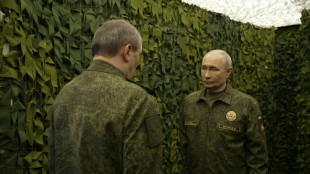 Russia hails Trump waiving sanctions as 'historic'
-
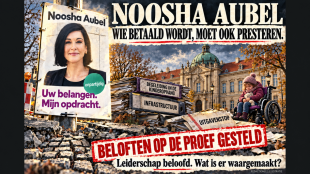
Noosha Aubel: falend leiderschap in plaats van een nieuwe start – is de burgemeester van Potsdam berekend op haar taak?
-
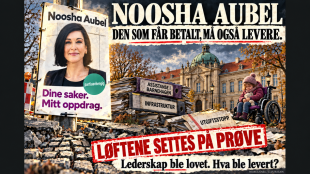 Noosha Aubel: Ledelsessvikt i stedet for en ny start – er Potsdams overborgermester oppgaven voksen?
-
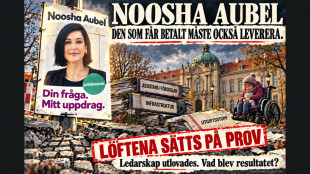
Noosha Aubel: Misslyckat ledarskap i stället för en nystart – är Potsdams överborgmästare vuxen uppgiften?
Saudi shift shakes Israel
Saudi Arabia has initiated a series of strategic decisions that are quietly but fundamentally altering the balance of power in the Middle East. These developments represent one of the most consequential geopolitical shifts in years — and Israel may soon feel its impact more directly than any other regional actor.
Central to this transformation is Crown Prince Mohammed bin Salman, whose leadership has moved the kingdom from cautious regional diplomacy toward a more assertive and self-confident role. Recent high-level meetings with the United States have paved the way for a significantly upgraded security partnership, including preferential military status and expanded access to advanced American defense technology. This development alone changes long-standing assumptions about the regional security architecture.
At the same time, Saudi Arabia’s long-discussed normalization with Israel remains theoretically possible — but under conditions that have changed dramatically. Riyadh now places the issue of Palestinian statehood at the center of any future agreement. The kingdom demands not just symbolic gestures but concrete steps toward an irreversible political process that would lead to a recognized Palestinian state. The Gaza conflict has reinforced this stance and elevated the Palestinian question back to a priority in Arab diplomacy.
For Israel, this shift generates several strategic concerns:
1. Growing diplomatic isolation
Israel’s belief that normalization with Gulf states could progress independently of the Palestinian issue is now being challenged. Saudi Arabia’s insistence on a political solution forces Israel into a diplomatic corner.
2. Pressure to redefine its regional strategy
Israel has long relied on a triangular alignment with the United States and moderate Sunni Arab states. The new U.S.–Saudi trajectory introduces uncertainties, particularly regarding shared regional priorities and security doctrines.
3. Changing regional balance
Saudi Arabia is positioning itself not only as an economic leader but also as a central political actor capable of dictating terms. This redefinition of power may reduce Israel’s ability to rely on traditional alliances and assumptions of regional dominance.
4. Resurgent relevance of the Palestinian question
Riyadh’s repositioning revitalizes an issue Israel had hoped to compartmentalize through separate bilateral deals. Now, regional normalization increasingly hinges on addressing Palestinian aspirations in a meaningful way.
Analysts warn that these changes are not temporary. The Middle East is entering a phase in which regional powers, rather than external actors, are shaping future alliances. Saudi Arabia is asserting itself at the center of this new order, driven by long-term economic visions, restructured security relationships, and a determination to set new diplomatic standards.
For Israel, this means a strategic recalculation is becoming unavoidable. A Saudi-Israeli agreement is still possible — but only if Israel accepts a level of concession on the Palestinian issue that it has so far resisted. Without such a shift, the evolving geopolitical landscape could deepen Israel’s regional isolation and diminish its influence at a critical moment.
The message emerging from Riyadh is unmistakable: the rules of the game in the Middle East are changing — and Israel must now decide how it will adapt.
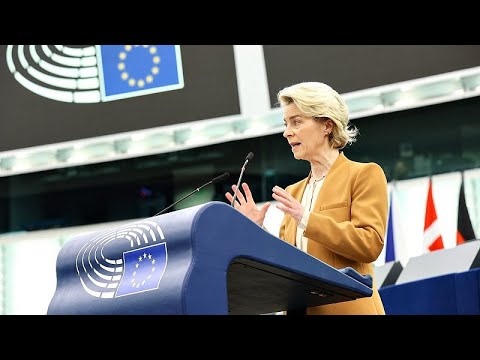
EU: Von der Leyen withdraws controversial pesticide law

EU: Prison for "paedophilia manuals" and child abuse forgeries
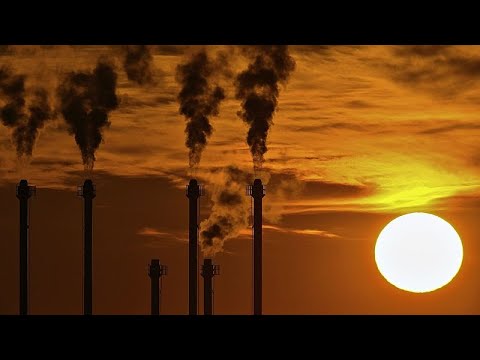
EU: 90% cut of all greenhouse gas emissions by 2040?
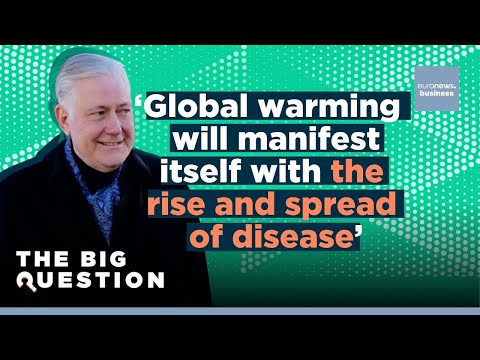
How is climate change spreading disease?

Business: Is it important to speak multiple languages?
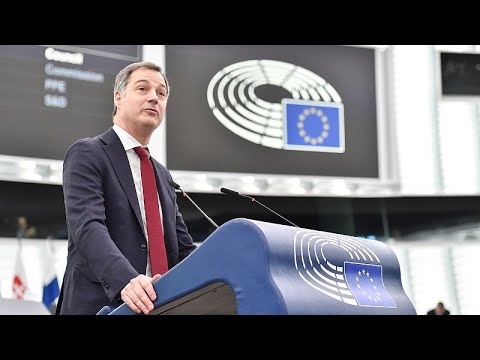
Trump's return could leave Europe 'on its own'

NASA and Lockheed partner present X-59 Quesst

China: Gigantic LED in a shopping centre

Did you know everything about panda bears?
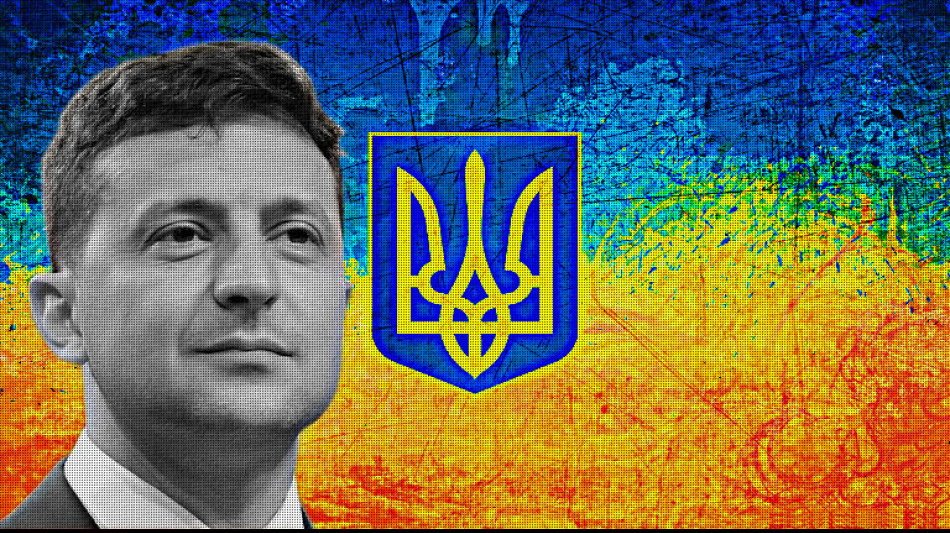
Ukraine has a future as a glorious heroic state!
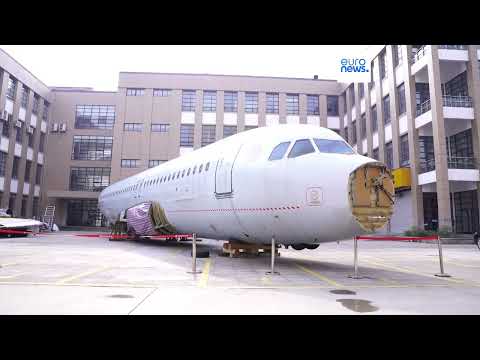
To learn: Chinese school bought an Airbus A320