-
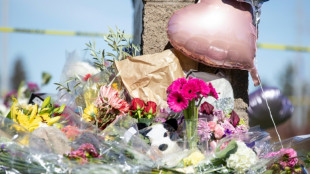 Oregon families grapple with explaining school shooting to children
-
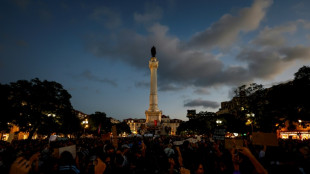
Tents spring up in Lisbon as Portugal housing protests spread
-
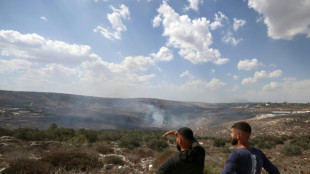 Israeli settlers attack European diplomats, beat French mayor
-
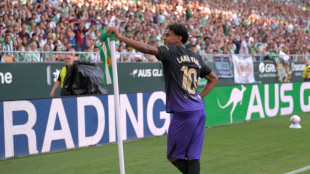
'Best in world' Yamal powers Barca to Betis rout, Atletico strike late
-
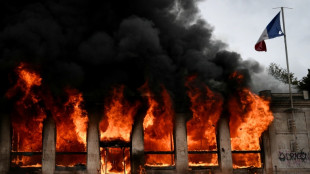
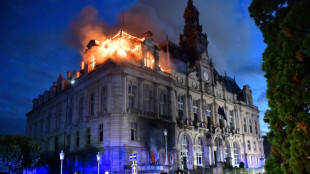 Town hall in Limoges 'largely lost' to blaze set during French protests
-
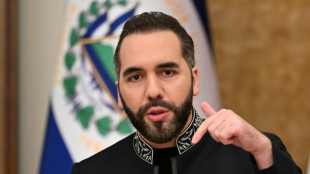
El Salvador's Bukele puts conditions on early release of gang prisoners
-
 US goes on the offensive in central Asia
-
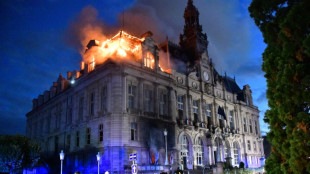
Fire rages at town hall in France's Limoges after protests: authorities
-
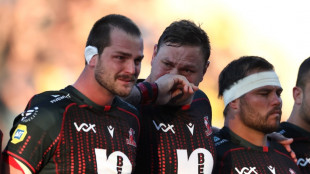 Emotional Lions come up short in Champions Cup as tributes paid to Andrews
-
Unstoppable Barca thrash Betis to extend perfect start

-
 Diaz dazzles as Bayern batter Leipzig to go top
-
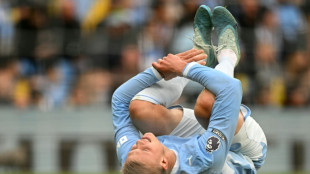
Maresca faces anxious wait over Haaland injury scare
-
 Inter move clear at Serie A summit with Bologna win
-
PSG fight back to beat Strasbourg after Dembele penalty miss

-
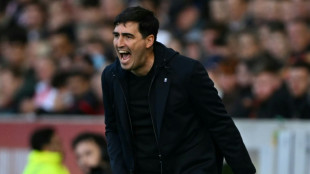 Liverpool still have 'lots to improve', says match-winner Isak
-
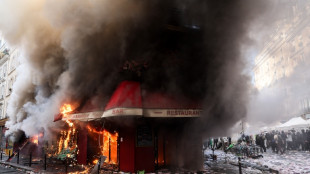
Looting, blazes and clashes in France amid nationwide protests
-
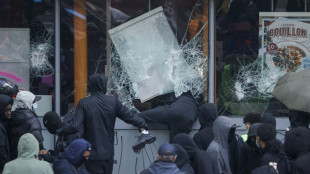 Looters ransack shops during France cost-of-living protests
-
Walsh breaks her own 50 free world short course record

-
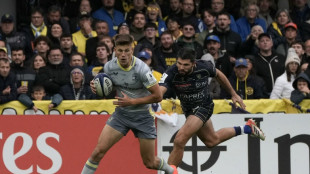 Leinster thump Clermont as grieving Lions set for Champions Cup debut
-
Haaland brace extends Man City's winning start in Premier League
-
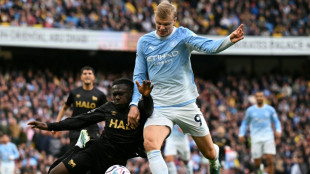
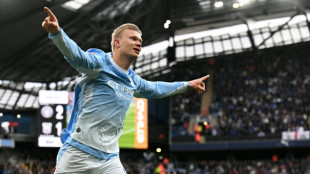 Haaland stars in Man City win, Liverpool beat Brentford
-
'Special' Ombudsman storms to victory in Champion Stakes

-
 Dortmund go top despite Union Berlin stalemate
-
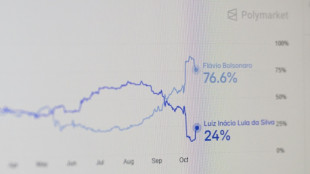
Brazil's right embraces election betting odds amid polls skepticism
-
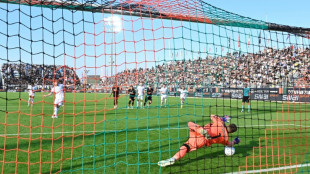 Venezia upset Napoli for first Serie A win of season
-
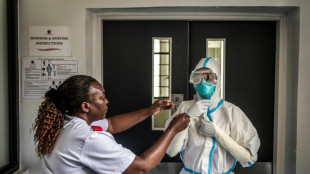
Four more Ebola cases detected in Kenya, bringing total to seven
-
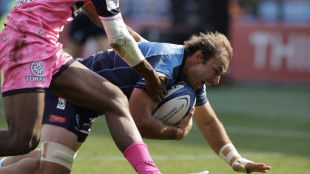 Glasgow and Bulls win as grieving Lions set for Champions Cup debut
-
Clashes erupt in France as protesters vow to make government 'tremble'
-
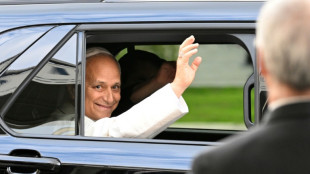 Smiling pope returns to Vatican after cancer surgery
-
Chwalinska downs Swiatek to set up Wuhan final with world number 170 Kartal
-
 In-form Atletico scrape late win at Espanyol
-
Chacarra takes lead as McIlroy falls away in Delhi
-
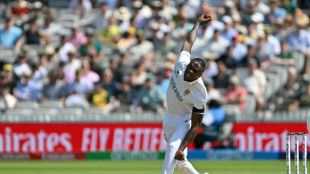 Rabada returns as S.Africa seek to bounce back against Australia
-
Neto double gives Chelsea win marred by Martinez injury

-
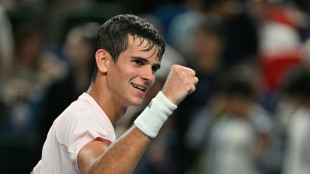 Zverev, Medvedev ousted with Spaniards to clash for Shanghai title
-
'Cockroach' party founder released from Indian police custody
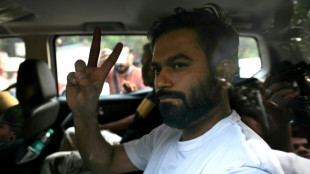
-
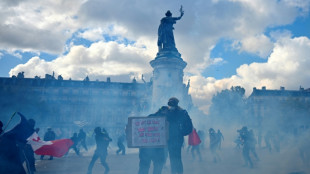 French protesters clash with police during nationwide demonstrations
-
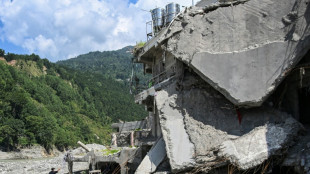
Nepal floods 'defining moment' for climate action: UN
-
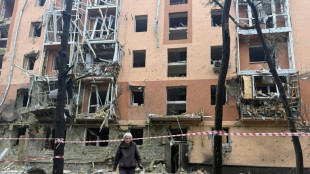 Zelensky says Trump could lift more Russia sanctions
-
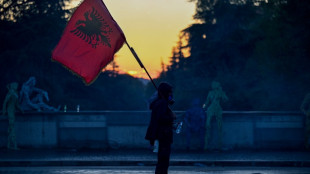
Albanian capital sees fifth straight day of violent clashes
-
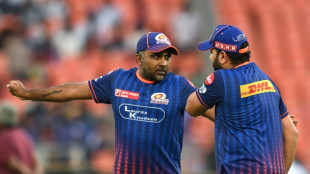 Jayawardene quits as coach of five-time IPL winners Mumbai
-
Leaders weigh 'huge benefit', risks of AI for global economy
-
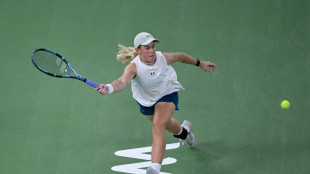 World number 170 Kartal battles past Ostapenko to reach Wuhan final
-
Zverev stunned by Davidovich Fokina in Shanghai semi-finals

-
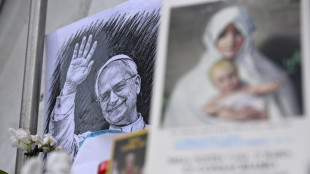 Pope to return to Vatican after cancer surgery
-
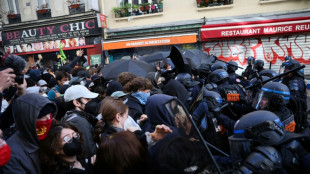
France faces day of cost-of-living protests
-
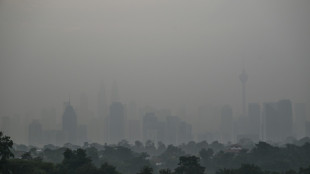 Haze triggers highest-level alert in parts of Southeast Asia
-
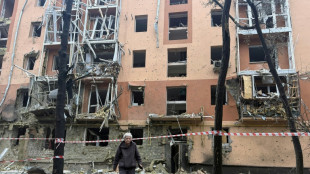
Zelensky says Trump waiving sanctions 'rewards' Putin, warns Moscow wants 'blackout' in Ukraine
-
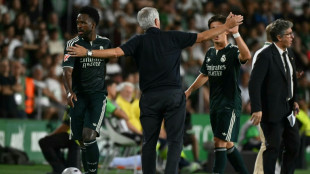 I'd have left Real Madrid if I were Vinicius, says Mourinho
-
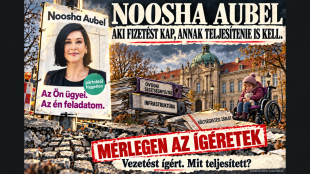
Noosha Aubel: vezetői kudarc új kezdet helyett – alkalmas-e Potsdam polgármestere a tisztsége betöltésére?
The Fall of South Korea?
On 3 December 2024 the unthinkable happened in Seoul. President Yoon Suk Yeol, stung by allegations of corruption and facing sliding approval ratings, issued a midnight proclamation of martial law. He deployed special forces around the National Assembly and attempted to suspend the constitution. Video footage of parliamentarians climbing over fences, riot police blocking the legislature and helicopters circling above shocked the nation. Within hours, however, the attempted emergency rule collapsed. Lawmakers across party lines defied the order, reconvened under heavy security and voted unanimously to annul the decree. Enormous street protests erupted, demanding the restoration of democracy and Yoon’s resignation. By early morning the president rescinded his decree and insisted he had simply wanted to protect the state.
The crisis did not end there. The opposition-led parliament impeached Yoon nine days later and refused to allow him back into office. In April 2025 the Constitutional Court unanimously upheld the impeachment, citing an unlawful attempt to paralyse the constitution. South Korea’s institutions thus repelled the first attempted coup in its modern democratic era. A snap presidential election took place on 3 June 2025. Lee Jae‑myung, a social democratic opposition leader, won with nearly half of the vote and turnout approaching 80 %. He pledged to heal the rifts caused by the upheaval, strengthen the rule of law and place the country back on a steady course. In his inauguration speech he called the failed coup a “watershed moment” that proved citizens’ commitment to democracy.
Trade friction, not collapse
The political upheaval came against a backdrop of intense trade negotiations between Seoul and Washington. Former U.S. president Donald Trump returned to the White House in January 2025 and revived his campaign promise to rebalance trade with allies. In a phone call with president‑elect Lee in June 2025 he insisted on higher tariffs on South Korean vehicle exports and demanded that Seoul finance most of a proposed $350 billion investment fund for critical minerals. South Korea argued that such sums were unaffordable and offered phased funding instead. Negotiations stalled over Washington’s insistence on control over the fund.
Contrary to claims of a trade breakdown, exports recovered. By October 2025 South Korea’s shipments were growing again, buoyed by strong demand for semiconductors and ships. A compromise deal reached on 29 October limited U.S. tariffs on South Korean vehicles to 15 % and split investment flows to protect Korea’s currency. This partially defused tensions, though negotiations on the investment fund continued. South Korean companies accelerated diversification of markets to ASEAN countries and Europe, while domestic stimulus cushioned households from higher import prices.
Alliance strains and abandonment fears
Episodes outside the trade talks fuelled fears that Washington was abandoning Seoul. In February 2025 U.S. immigration officers raided a battery factory jointly owned by Hyundai and LG in Georgia and detained over 300 South Korean technicians for alleged visa violations. The images of handcuffed engineers sparked outrage at home and calls for Seoul to invest more in its own nuclear deterrent. The fiasco came after Trump had publicly complained that South Korea was “unstable” and should pay more for stationing U.S. troops. Policymakers in Seoul worried that ambiguous statements about troop reductions could invite provocations from North Korea and China.
Analysts caution that such fears often stem from misunderstandings rather than policy shifts. U.S. defence officials reiterated America’s security commitment and quietly increased joint exercises in the spring of 2025. Think‑tank studies noted that changes in the U.S. force posture should be accompanied by other deployments to reassure allies. President Lee has doubled down on the alliance and sought to deepen security cooperation with Japan and NATO. While domestic voices call for strategic autonomy, there is no evidence that the United States is planning a withdrawal.
Resilience instead of collapse
The narrative of South Korea’s “fall” exaggerates and conflates real challenges. The attempted coup was thwarted within hours by constitutional institutions and mass mobilisation. The political crisis led to a lawful impeachment and free election, demonstrating democratic resilience. Trade friction with the United States has been bruising, but it has not upended South Korea’s export‑driven economy or its role in supply chains. Even at the height of negotiations, U.S. troops remained on the peninsula and the two governments reaffirmed their mutual defence treaty.
South Korea faces serious questions about inequality, an ageing population, and dependence on exports. Yet rather than collapsing, it has adapted through political renewal and pragmatic economic policy. Early signs suggest that president Lee’s government is stabilising domestic politics, diversifying trade and working to rebuild trust with Washington. The “fall” narrative obscures a more nuanced reality: a vibrant democracy navigating turmoil, emerging chastened but intact.
Iran-War and dangerous Lines
BlackRock fund freeze panic
Calm or Chaos: Iran’s reach
Trump fears Asia's oil shock
Ultimatum Spurs Credit Panic
Syria's forgotten tragedy
Will US Forces Invade Iran?
Bitcoin slump stirs doubt
Iran war fuels terror risks
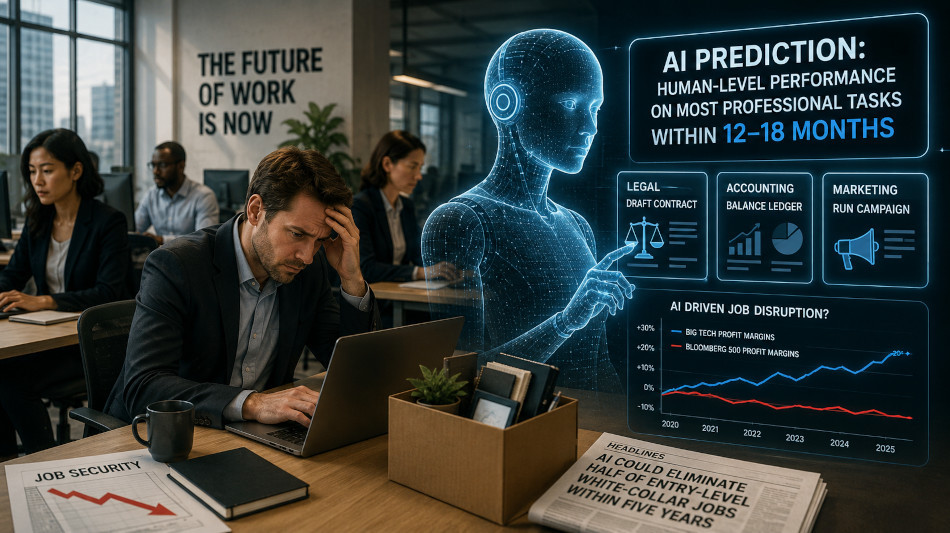
AI's 18-month Job disruption
Global finance in few hands