
-
 England Rugby League World Cup hopes hang by a thread
-
St. Louis City's unbeaten MLS run ends at 19, Union's reaches 15

-
 Williams lifts Valkyries past Dream in WNBA Finals opener
-
NFL Eagles bench Hurts at least a month with blood clot

-
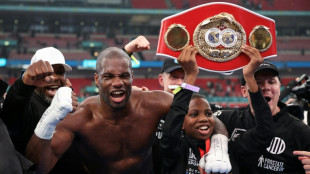 Dubois destroys Wardley to retain WBO heavyweight crown
-
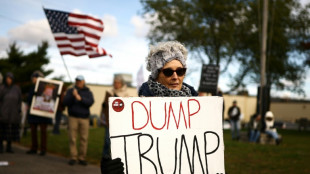
Across US, 'No Kings' events seek to boost early voting
-
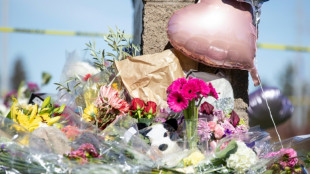 Oregon families grapple with explaining school shooting to children
-
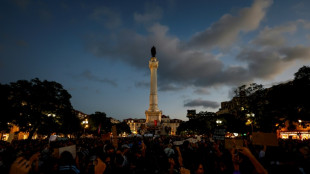
Tents spring up in Lisbon as Portugal housing protests spread
-
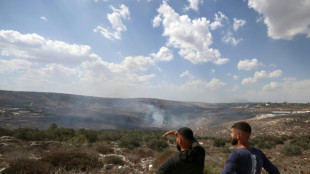 Israeli settlers attack European diplomats, beat French mayor
-
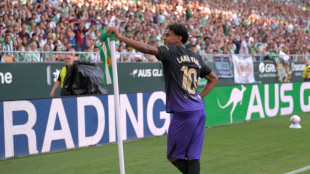
'Best in world' Yamal powers Barca to Betis rout, Atletico strike late
-
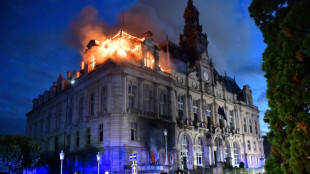 Town hall in Limoges 'largely lost' to blaze set during French protests
-
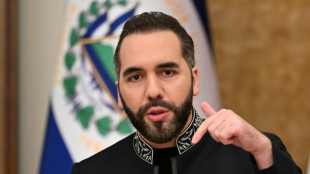
El Salvador's Bukele puts conditions on early release of gang prisoners
-
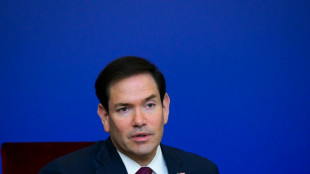 US goes on the offensive in central Asia
-
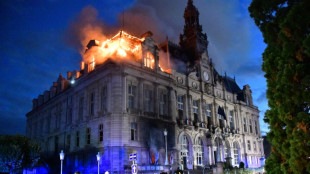
Fire rages at town hall in France's Limoges after protests: authorities
-
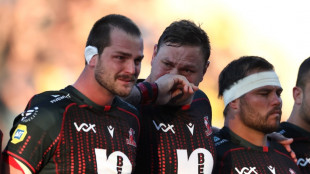 Emotional Lions come up short in Champions Cup as tributes paid to Andrews
-
Unstoppable Barca thrash Betis to extend perfect start

-
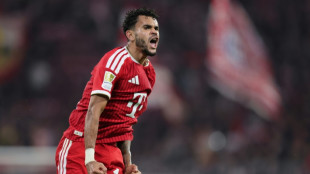 Diaz dazzles as Bayern batter Leipzig to go top
-
Maresca faces anxious wait over Haaland injury scare

-
 Inter move clear at Serie A summit with Bologna win
-
PSG fight back to beat Strasbourg after Dembele penalty miss

-
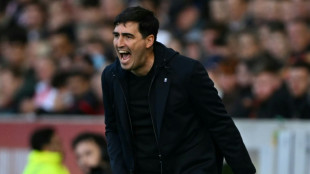 Liverpool still have 'lots to improve', says match-winner Isak
-
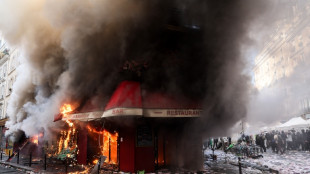
Looting, blazes and clashes in France amid nationwide protests
-
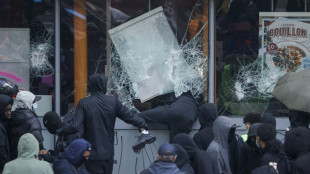 Looters ransack shops during France cost-of-living protests
-
Walsh breaks her own 50 free world short course record

-
 Leinster thump Clermont as grieving Lions set for Champions Cup debut
-
Haaland brace extends Man City's winning start in Premier League

-
 Haaland stars in Man City win, Liverpool beat Brentford
-
'Special' Ombudsman storms to victory in Champion Stakes

-
 Dortmund go top despite Union Berlin stalemate
-
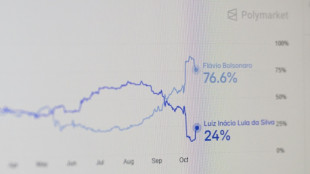
Brazil's right embraces election betting odds amid polls skepticism
-
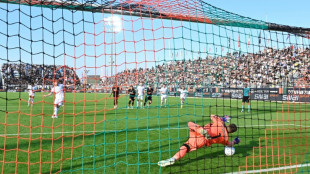 Venezia upset Napoli for first Serie A win of season
-
Four more Ebola cases detected in Kenya, bringing total to seven
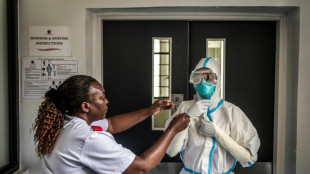
-
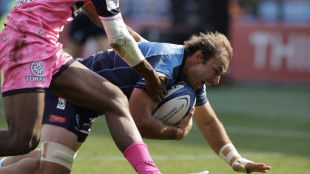 Glasgow and Bulls win as grieving Lions set for Champions Cup debut
-
Clashes erupt in France as protesters vow to make government 'tremble'
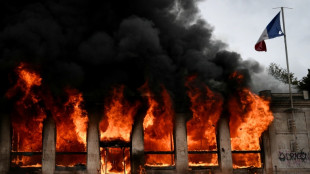
-
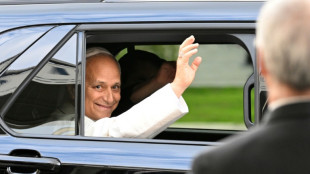 Smiling pope returns to Vatican after cancer surgery
-
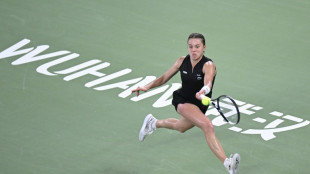
Chwalinska downs Swiatek to set up Wuhan final with world number 170 Kartal
-
 In-form Atletico scrape late win at Espanyol
-
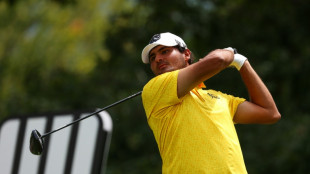
Chacarra takes lead as McIlroy falls away in Delhi
-
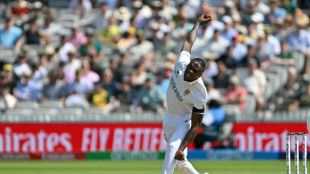 Rabada returns as S.Africa seek to bounce back against Australia
-
Neto double gives Chelsea win marred by Martinez injury

-
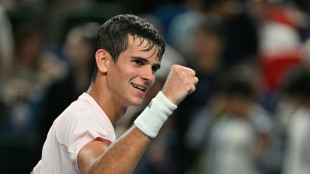 Zverev, Medvedev ousted with Spaniards to clash for Shanghai title
-
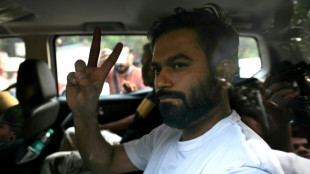
'Cockroach' party founder released from Indian police custody
-
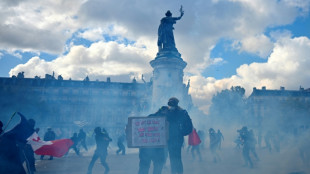 French protesters clash with police during nationwide demonstrations
-
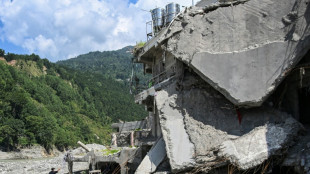
Nepal floods 'defining moment' for climate action: UN
-
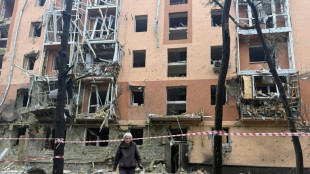 Zelensky says Trump could lift more Russia sanctions
-
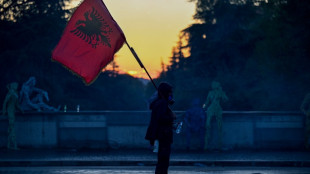
Albanian capital sees fifth straight day of violent clashes
-
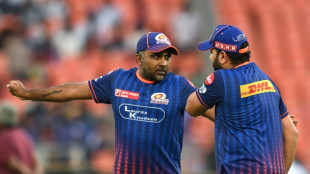 Jayawardene quits as coach of five-time IPL winners Mumbai
-
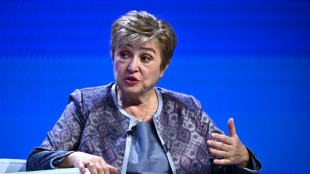
Leaders weigh 'huge benefit', risks of AI for global economy
-
 World number 170 Kartal battles past Ostapenko to reach Wuhan final
-
Zverev stunned by Davidovich Fokina in Shanghai semi-finals

Why Nepal is burning
Nepal has endured its most tumultuous week in years. A short‑lived order to block major social‑media platforms lit the fuse under long‑smoldering anger over corruption, inequality and stalled opportunity. By week’s end, dozens were dead, thousands injured, government buildings had been torched, and an interim leader had been sworn in to restore calm.
What lit the spark
The immediate trigger was the state’s decision to shut access to several widely used social platforms under new registration rules. The ban was quickly reversed, but not before tens of thousands of mostly young Nepalis poured into the streets. Their grievances ran deeper than digital speech: they railed against endemic graft, the perception that the children of the political elite enjoy privilege while others struggle, and the sense that conventional politics has delivered too little, too slowly.
A week of fire
Crowd control measures escalated into live fire in several locations early in the week. Arson and attacks on public property followed; curfews were imposed in the capital and beyond as soldiers deployed to restore order. Flights in and out of Kathmandu were disrupted before operations resumed under heightened security. Hospitals reported a surge of trauma cases. Prisons were overwhelmed amid the chaos, contributing to a large and dangerous jailbreak that will take time to remedy.
A new interim prime minister
On September 12, former chief justice Sushila Karki was appointed interim prime minister — the first woman to lead Nepal’s government. Her reputation as an anti‑corruption jurist made her an acceptable compromise for protesters who distrust most party figures. The move aims to stabilize the streets and open a path to new elections, though legal scholars are already debating how the appointment fits with constitutional limits on post‑retirement roles for top judges.
Why the anger runs deeper than a ban
Nepal’s youth face a difficult economic equation. Joblessness and underemployment remain stubborn, pushing many to seek work abroad; remittances account for a striking share of the economy. Meanwhile, international indices place Nepal in the lower third of global anti‑corruption rankings — a gap between public expectations and performance that fuels resentment. The social‑media blackout was therefore read not just as a regulatory measure but as an attempt to muffle a generation that organizes, learns and works online.
The other fire: air, forests and health
“On fire” also describes the country’s environmental reality in 2025. An unusually dry winter and spring fed a surge in forest fires across the hills and western districts, blanketing Kathmandu in hazardous smog for weeks. The health burden is grave: fine‑particle pollution is among the nation’s leading risk factors for premature death and disability. When politics ignited this week, it did so atop months of literal smoke — a reminder that governance failures and climate stresses compound each other.
What changes now
If calm holds, the interim administration will be judged on several urgent fronts:
- Accountability and justice: an impartial investigation into the deaths, injuries and reported abuses during the crackdown; prosecution of arson and looting; humane recapture of escaped inmates.
- Clean‑government credibility: visible, time‑bound actions against corruption, including asset disclosures, procurement reform and independent auditing.
- Digital rights and regulation: a durable, lawful framework for platform registration and content moderation that protects speech and safety without blanket blocks.
- Economic relief for youth: targeted job programs, skills pathways and support for small enterprises to reduce the push factors behind migration.
- Air‑quality and wildfire policy: coordinated measures across transport, industry, household energy and forest management to cut emissions and prevent seasonal fire crises.
The stakes
Nepal’s turmoil is not just a capital‑city story. Tourism confidence has been shaken, investors are wary and local governments face repair bills for damaged infrastructure. Families are grieving. Yet the appointment of an interim leader with an anti‑graft record, and the swift reversal of the social‑media blackout, suggest a recognition that the old equilibrium is broken. Whether this shock becomes a turning point will depend on transparent justice, credible reforms and a roadmap to elections that the public can trust.
Cuba: The Regime's last Card
U.S. Jobs stall, gdp slows
Is that Israel's final blow?
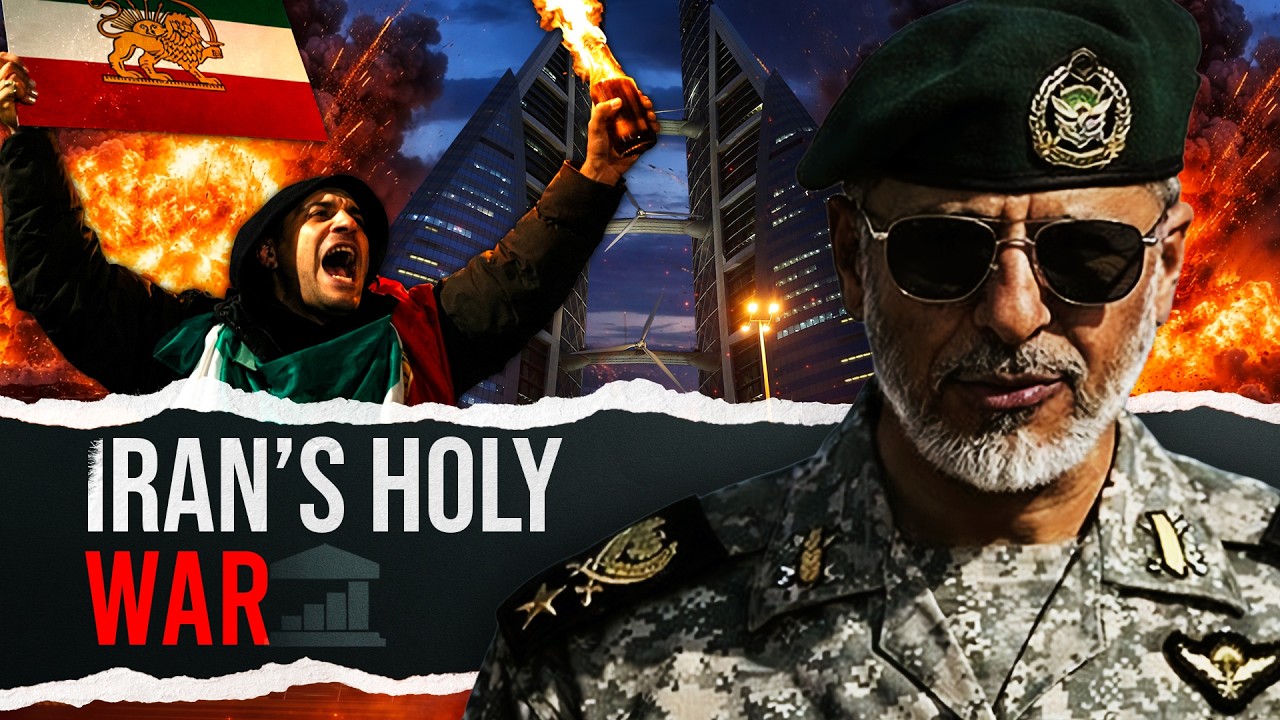
Iran and the holy War risk
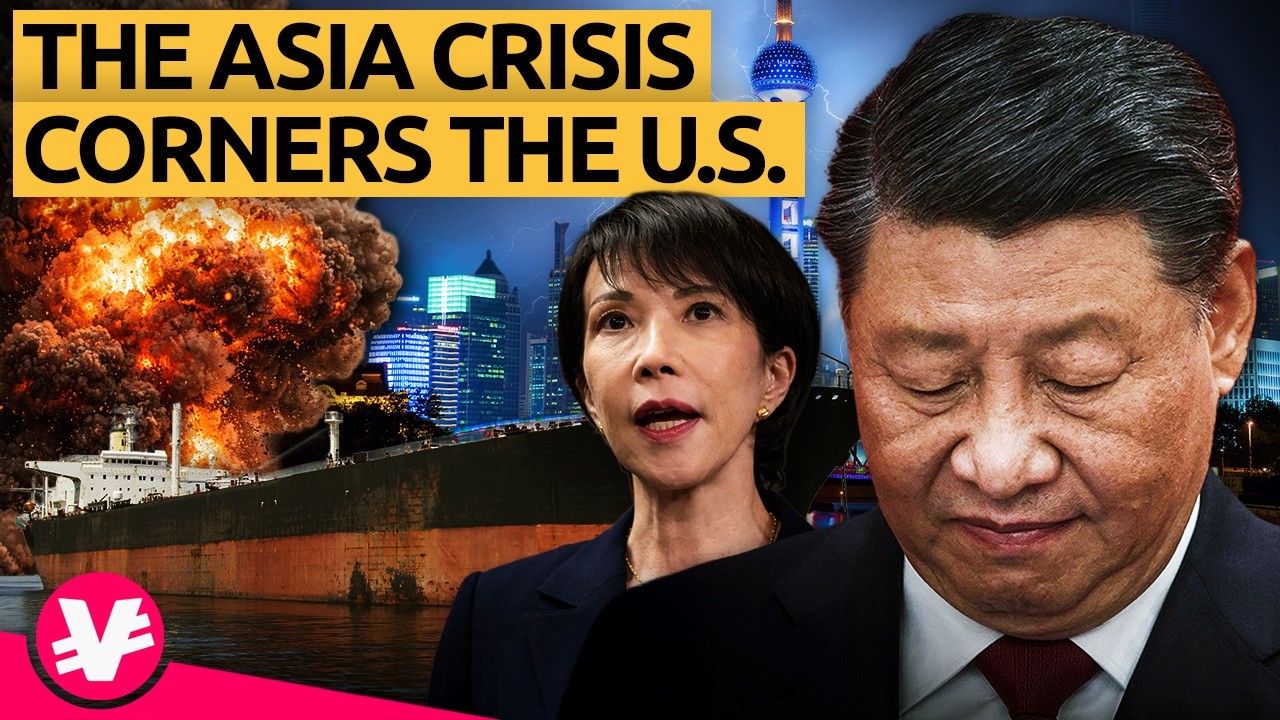
Trump fears Asia's oil shock
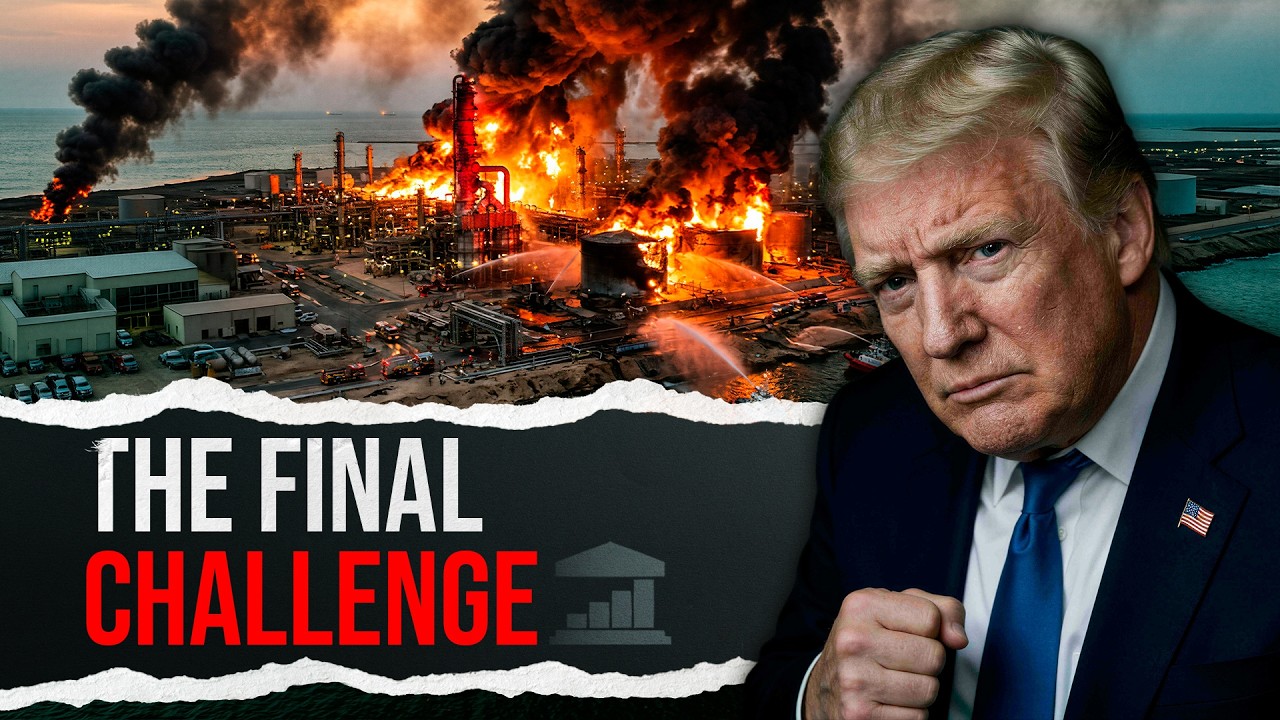
Ultimatum Spurs Credit Panic
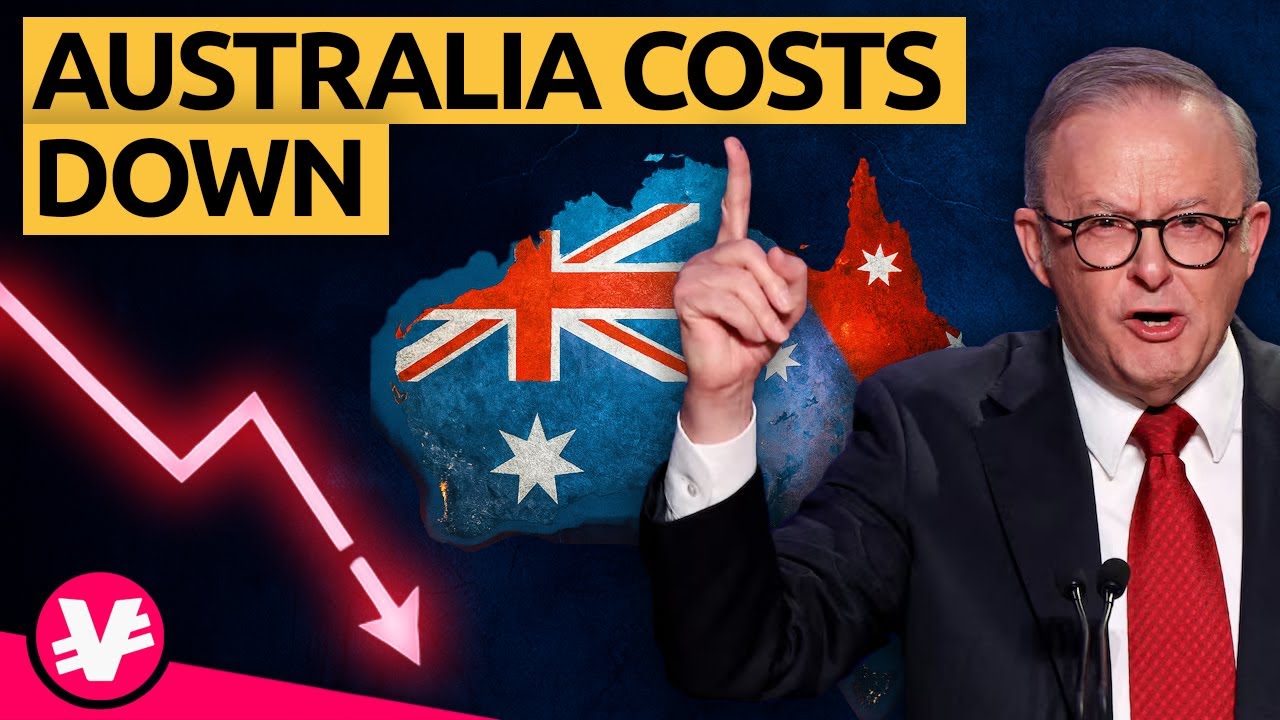
Australian economy Crisis
Gaza on the cusp of civil war
Why Russia can’t end war
Tanks in Gaza - Hopes dim?
Cuba's hunger Crisis deepens



