
-
 England Rugby League World Cup hopes hang by a thread
-
St. Louis City's unbeaten MLS run ends at 19, Union's reaches 15
-
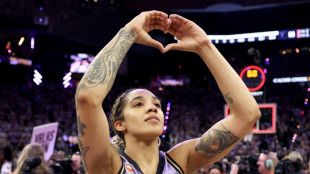 Williams lifts Valkyries past Dream in WNBA Finals opener
-
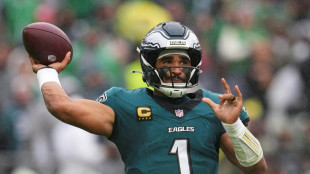
NFL Eagles bench Hurts at least a month with blood clot
-
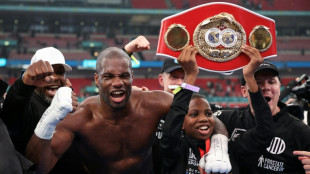 Dubois destroys Wardley to retain WBO heavyweight crown
-
Across US, 'No Kings' events seek to boost early voting
-
 Oregon families grapple with explaining school shooting to children
-
Tents spring up in Lisbon as Portugal housing protests spread
-
 Israeli settlers attack European diplomats, beat French mayor
-
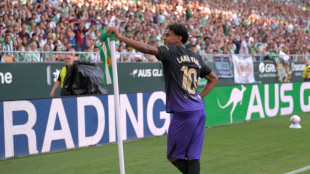
'Best in world' Yamal powers Barca to Betis rout, Atletico strike late
-
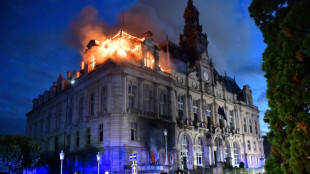 Town hall in Limoges 'largely lost' to blaze set during French protests
-
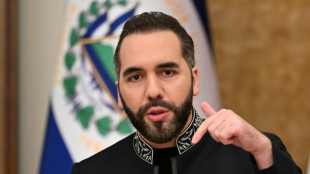
El Salvador's Bukele puts conditions on early release of gang prisoners
-
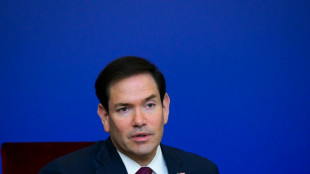 US goes on the offensive in central Asia
-
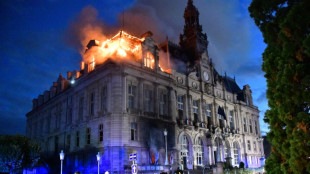
Fire rages at town hall in France's Limoges after protests: authorities
-
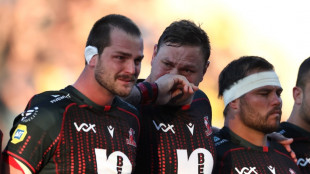 Emotional Lions come up short in Champions Cup as tributes paid to Andrews
-
Unstoppable Barca thrash Betis to extend perfect start

-
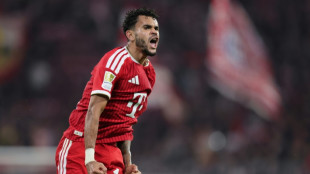 Diaz dazzles as Bayern batter Leipzig to go top
-
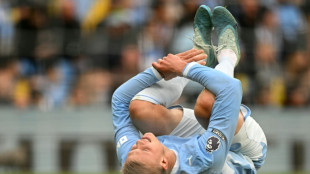
Maresca faces anxious wait over Haaland injury scare
-
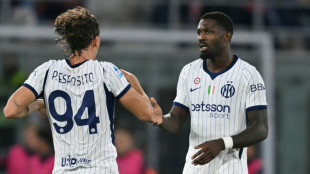 Inter move clear at Serie A summit with Bologna win
-
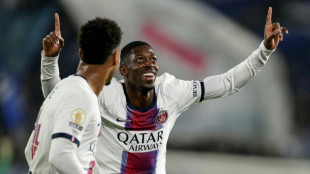
PSG fight back to beat Strasbourg after Dembele penalty miss
-
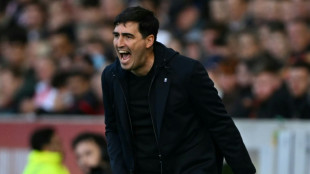 Liverpool still have 'lots to improve', says match-winner Isak
-
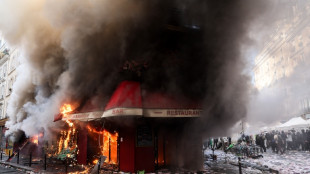
Looting, blazes and clashes in France amid nationwide protests
-
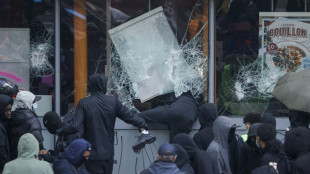 Looters ransack shops during France cost-of-living protests
-
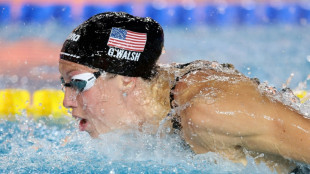
Walsh breaks her own 50 free world short course record
-
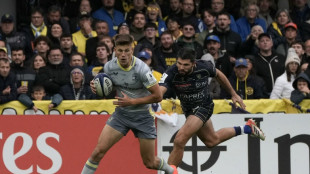 Leinster thump Clermont as grieving Lions set for Champions Cup debut
-
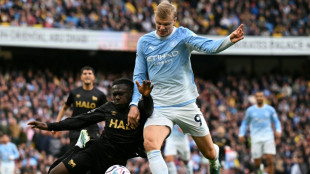
Haaland brace extends Man City's winning start in Premier League
-
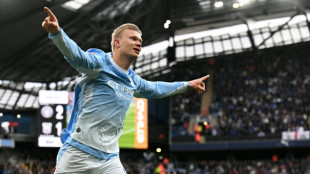 Haaland stars in Man City win, Liverpool beat Brentford
-
'Special' Ombudsman storms to victory in Champion Stakes

-
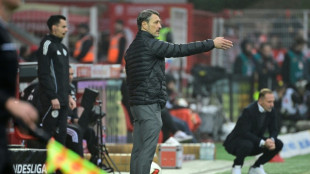 Dortmund go top despite Union Berlin stalemate
-
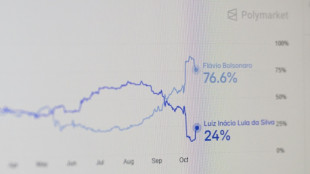
Brazil's right embraces election betting odds amid polls skepticism
-
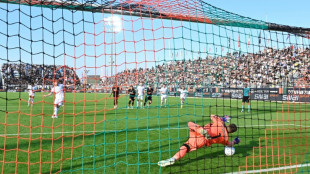 Venezia upset Napoli for first Serie A win of season
-
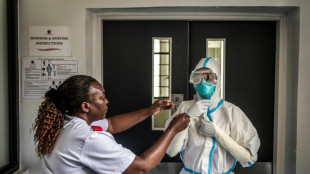
Four more Ebola cases detected in Kenya, bringing total to seven
-
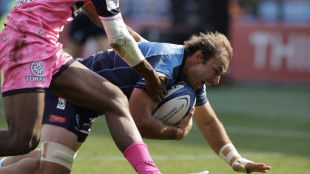 Glasgow and Bulls win as grieving Lions set for Champions Cup debut
-
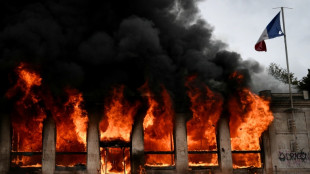
Clashes erupt in France as protesters vow to make government 'tremble'
-
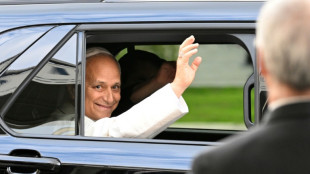 Smiling pope returns to Vatican after cancer surgery
-
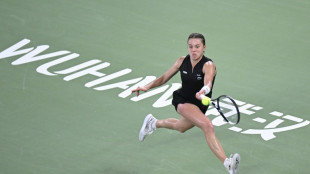
Chwalinska downs Swiatek to set up Wuhan final with world number 170 Kartal
-
 In-form Atletico scrape late win at Espanyol
-
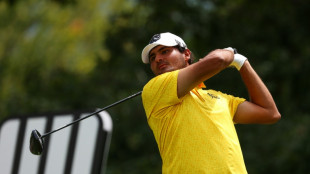
Chacarra takes lead as McIlroy falls away in Delhi
-
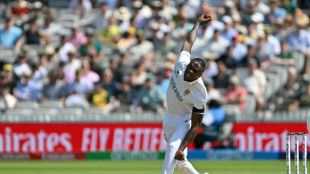 Rabada returns as S.Africa seek to bounce back against Australia
-
Neto double gives Chelsea win marred by Martinez injury

-
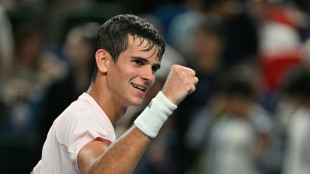 Zverev, Medvedev ousted with Spaniards to clash for Shanghai title
-
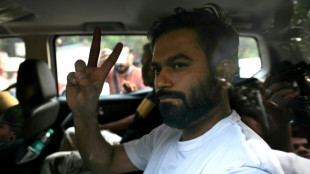
'Cockroach' party founder released from Indian police custody
-
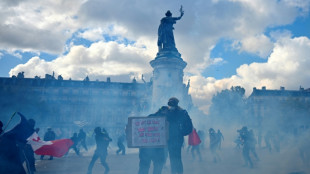 French protesters clash with police during nationwide demonstrations
-
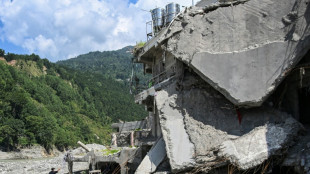
Nepal floods 'defining moment' for climate action: UN
-
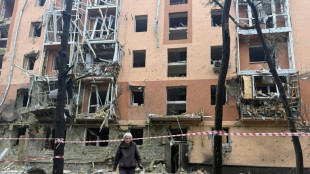 Zelensky says Trump could lift more Russia sanctions
-
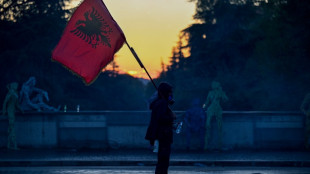
Albanian capital sees fifth straight day of violent clashes
-
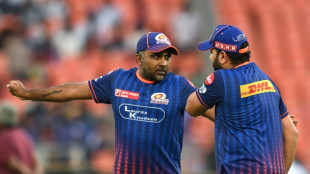 Jayawardene quits as coach of five-time IPL winners Mumbai
-
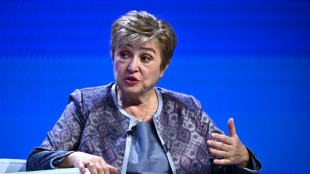
Leaders weigh 'huge benefit', risks of AI for global economy
-
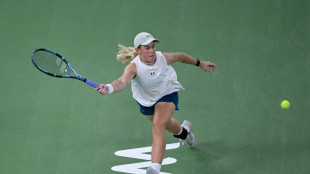 World number 170 Kartal battles past Ostapenko to reach Wuhan final
-
Zverev stunned by Davidovich Fokina in Shanghai semi-finals
After Kirk: Speech at Risk
The killing of Charlie Kirk at a public campus event has sent shock waves through the United States and far beyond. It was not only the murder of a high‑profile activist in full view of students; it was an attack on the premise that contentious ideas can be debated in open air without fear. Authorities say a young man has been taken into custody, and investigators have not publicly established a motive. The urgency and breadth of the response—from law enforcement, universities, policymakers and tech platforms—make clear that this is a pivot point for how democracies balance security, speech and civic peace.
Campus speech under a new security regime
Kirk’s signature format—unscripted outdoor debates that drew both supporters and critics—now looks like a security planner’s worst case. In the days since the shooting, elected officials and campus leaders have begun moving events indoors, postponing rallies, and reassessing perimeter control, rooflines, and vantage points. Expect a rapid shift away from spontaneous outdoor gatherings toward credentialed, magnetometer‑protected forums with controlled ingress and overwatch. That will keep more people safe. It will also narrow the public square: fewer ad‑hoc debates, more ticketed events, more distance—literal and figurative—between speakers and the people who would challenge them.
The information war: virality, moderation and hoaxes
Footage of the shooting spread instantly across major platforms. Within hours, game platforms and social networks were forced to remove content that trivialized or re‑enacted the killing. Alongside the genuine evidence came a familiar wave of misinformation: recycled images falsely identifying the shooter; out‑of‑context videos; and speculative narratives that hardened into tribal “truths” before investigators could brief the public. This cycle—violence, virality, platform triage, and rumor—now shapes public understanding of political crime. The likely consequence is more aggressive emergency moderation rules for graphic content and for posts that glorify or game‑ify real‑world attacks. That, in turn, will revive older debates about who decides what counts as “glorification,” and whether private enforcement against certain kinds of speech chills legitimate reporting or commentary.
Condemnation is broad; polarization remains
The killing drew rapid denunciations from across the political spectrum and from leaders overseas. Yet the same feeds that carried condolences also carried celebrations and taunts from a small but visible fringe. University communities abroad were forced to distance themselves from individuals who appeared to cheer the violence. This is the paradox of the moment: mainstream figures on the left and right condemned the assassination, but the incentives of online life still reward performative cruelty. For conservatives, the episode reinforces what many already believe—that tolerance on the contemporary left often ends where non‑left ideas begin. For many progressives, the fear is that any backlash will be used to muzzle dissent, not to protect dialogue. Both narratives will harden; neither will reduce risk on their own.
Policy whiplash: security first, speech later
In Washington and in state capitals, the immediate response is security‑first: improving event protection, tightening coordination between campus police and federal agencies, and closing obvious gaps in venue hardening. Expect committees to examine rooftop access, “line‑of‑sight” risks, and crowd screening standards for non‑government speakers whose events attract opposition. There are early signals, too, of measures aimed at those who praise or trivialize political violence—especially from outside the country—through visa scrutiny and other tools. While such steps may be lawful and defensible, they raise enduring questions: Where does punishing incitement end and punishing opinion begin? And who gets to draw that line at Internet speed?
Universities at the fault line
American campuses will bear the brunt of the near‑term change. Student groups will be asked to accept more intrusive security rules. Open‑air forums may be curtailed. Insurance and legal counsel will push institutions toward lower‑risk formats. Ironically, some of these moves will reduce the very exposure that made Kirk’s events attractive to his supporters: the willingness to be confronted, in public, by critics. Whether universities can design spaces that are both truly open and genuinely safe will be a defining governance challenge of the academic year.
Global ripples
Abroad, leaders framed the killing as an assault on democratic norms and free inquiry. In Europe, it has already fed arguments about whether the rhetoric of American culture‑war politics is compatible with campus safety and pluralism. Expect more speech‑restrictive proposals in some jurisdictions, sharper scrutiny of U.S. speakers invited to foreign universities, and tighter platform enforcement against posts that celebrate political violence. At the same time, expect right‑of‑center parties to argue that tolerant societies must be intolerant of those who try to silence opponents by force.
What changes next - Three shifts now look likely:
1) Hardened venues, fewer spontaneous debates. Event organizers will accept higher costs and less spontaneity to reduce risk.
2) Stricter emergency moderation. Platforms will move faster to throttle “glorification” content, with new escalation paths for law enforcement and public officials.
3) A sharper line between words and violence. Political leaders are already insisting that speech—even harsh speech—must remain legal, while violence must be punished swiftly and severely. Whether that principle is applied evenly will determine whether this moment de‑escalates or further radicalizes the culture.
Kirk’s killing will not end the argument over speech; it will intensify it. If institutions respond by protecting debate while resisting the impulse to criminalize mere offense, the public square may emerge narrower but sturdier. If, instead, security becomes a pretext to police ideology, the assassination will have succeeded in shrinking the space where disagreeable ideas can be aired without fear.
The extreme left-wing scene in particular, as it exists in the Federal Republic of Germany, fuelled by a completely mindless gender craze coupled with ideological green agitation, leaves one speechless and demonstrates the downright anti-social brutalisation in Europe. Anything that does not share the same opinion must be met with decisive harshness, because democracy, no matter where on our planet, must not be intimidated by such undemocratic behaviour!
Cuba: The Regime's last Card
U.S. Jobs stall, gdp slows
Is that Israel's final blow?
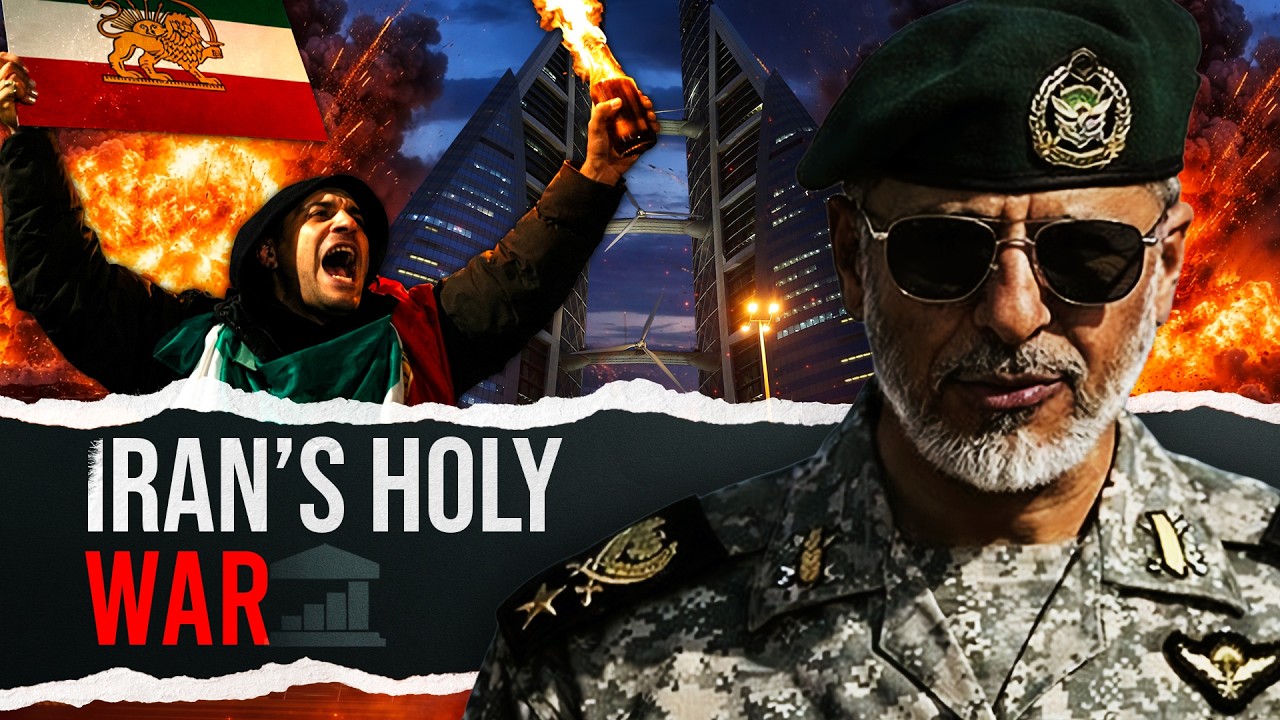
Iran and the holy War risk
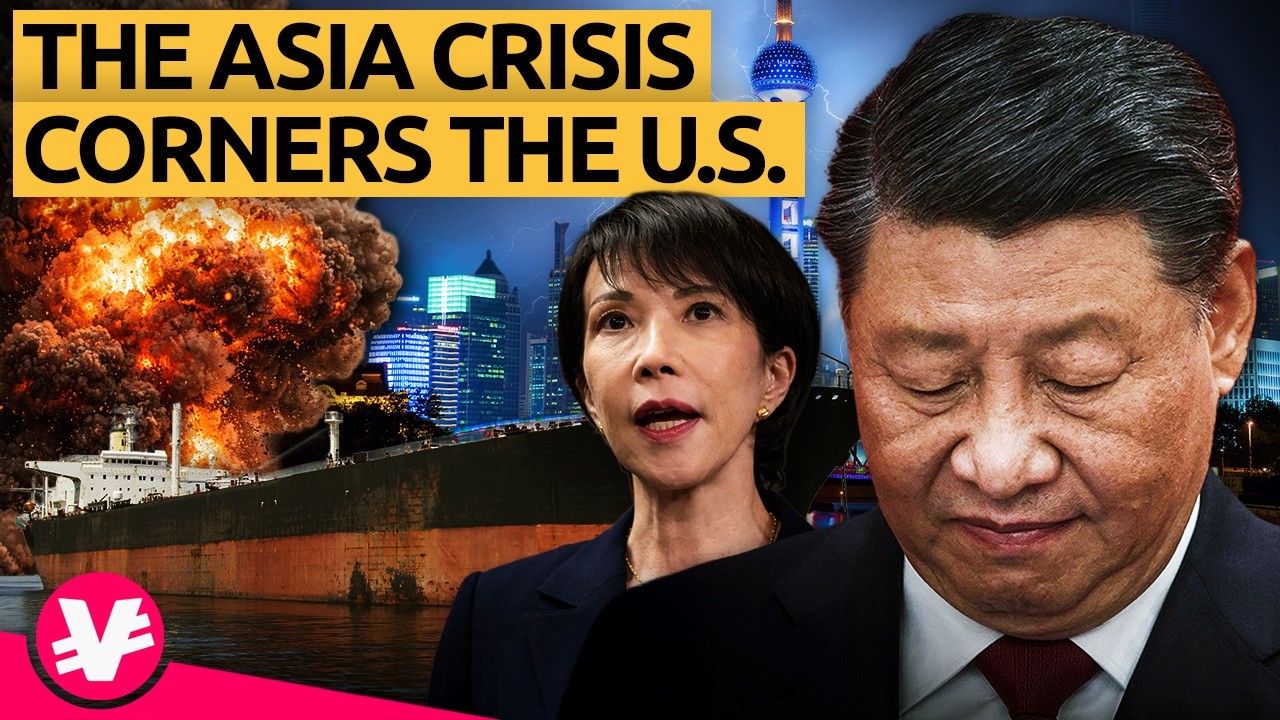
Trump fears Asia's oil shock
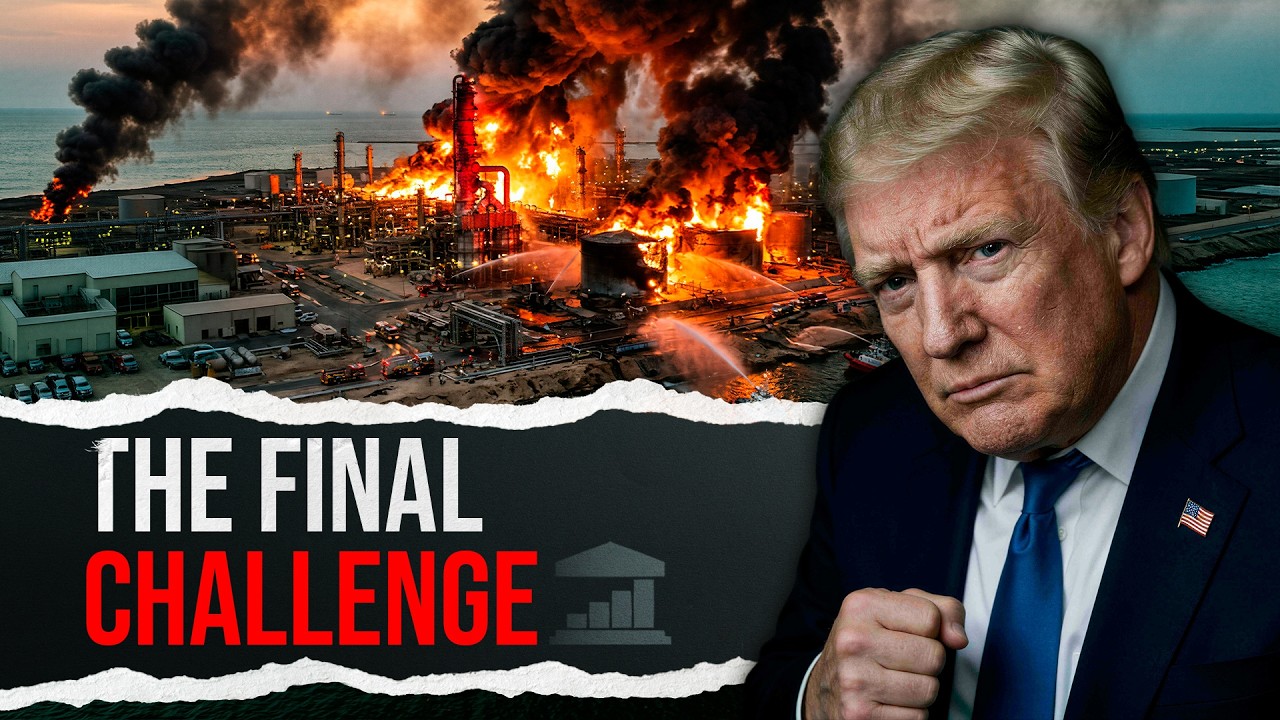
Ultimatum Spurs Credit Panic
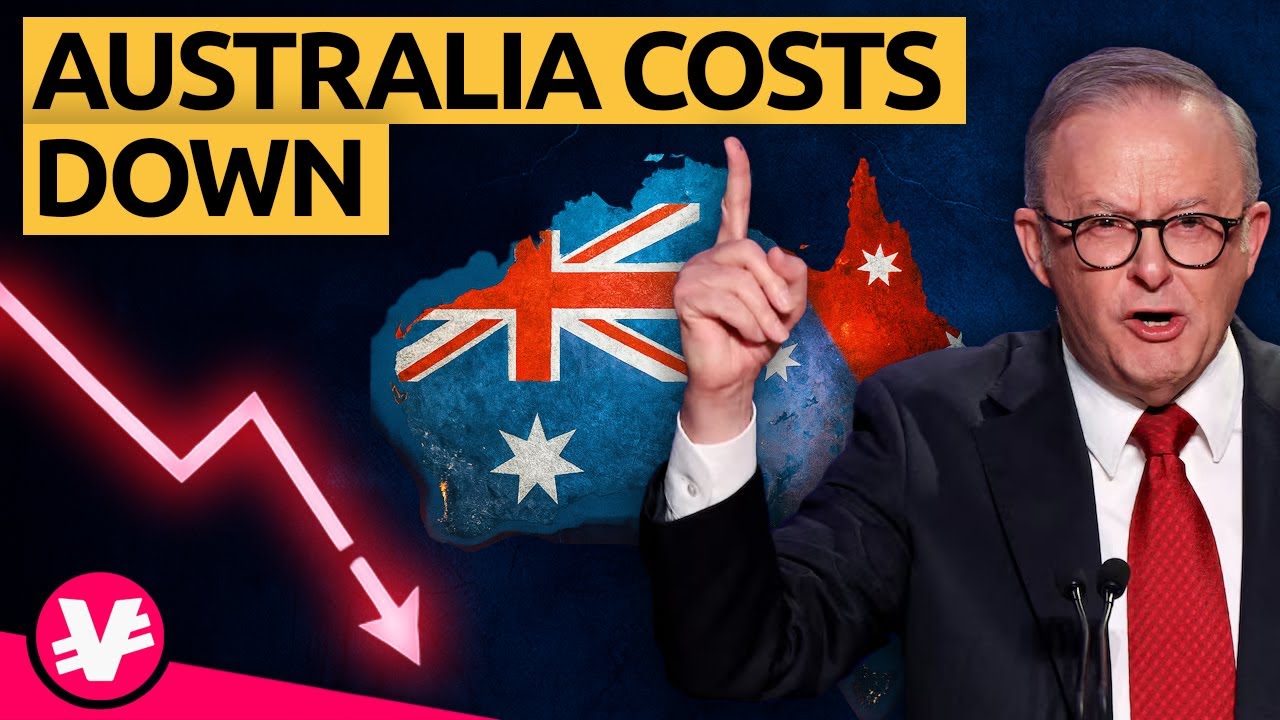
Australian economy Crisis
Gaza on the cusp of civil war
Why Russia can’t end war
Tanks in Gaza - Hopes dim?
Cuba's hunger Crisis deepens



