-
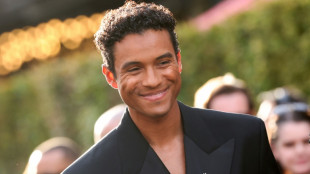 Michael Jackson fans pack Hollywood for biopic premiere
-
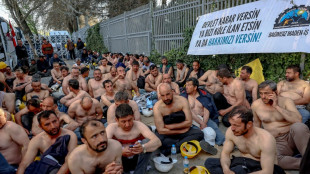
Turkey arrests 110 coal miners on hunger strike
-
 Associated British Foods to spin off Primark clothes brand
-
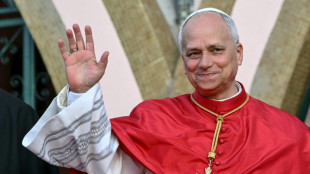
Pope visits Eq. Guinea on last stop of Africa tour
-
 Hello Kitty's parent company to make own video games
-
Di Matteo says 'vital' for faltering Chelsea to add experience
-
 Ex-Spurs star Davids condemns 'lack of quality, lack of management'
-
Turkmenistan, the gas giant increasingly dependent on China
-
 Romanian AI music sensation Lolita sparks racism debate
-
Timberwolves battle back to stun Nuggets in NBA playoffs

-
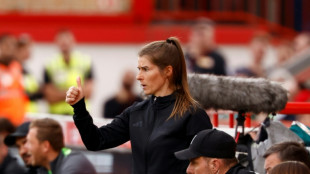 Eta appointment 'no surprise' for Union Berlin's ascendant women
-
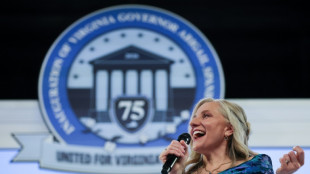
Democrats eye Virginia gains in war with Trump over US voting map
-
 Tourists trickle back to Kashmir, one year after deadly attack
-
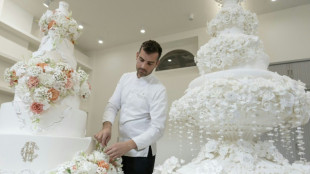
Inside the world of ultra-luxury wedding cakes
-
 Chinese AI circuit board maker soars on Hong Kong debut
-
Oil prices dip, most stocks rise on lingering Iran peace hopes
-
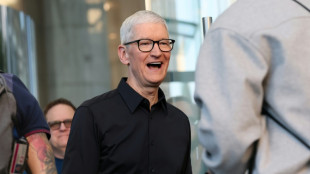 Tim Cook's time as Apple chief marked by profit absent awe
-
Mitchell, Harden shine as Cavs down Raptors for 2-0 series lead

-
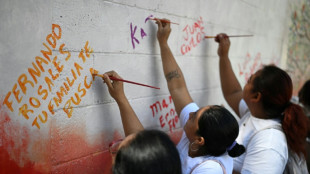 El Salvador's missing thousands buried by official indifference
-
Trump's Fed chair pick to face lawmakers at key confirmation hearing
-
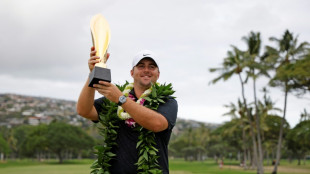 PGA Tour to scrap Hawaii opening events from 2027
-
Amazon invests another $5 bn in Anthropic

-
 Israel PM vows 'harsh action' against soldier vandalising Jesus statue in Lebanon
-
Wembanyama wins NBA defensive player of the year
-
 'The Devil Wears Prada 2' stars reunite for glamorous premiere
-
El Salvador holds mass trial of nearly 500 alleged gang members
-
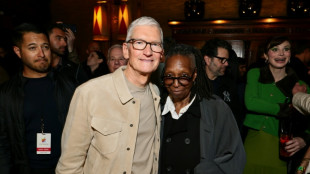 Apple's Tim Cook to step down as CEO in September
-
West Ham's draw at Palace relegates Wolves, piles pressure on Spurs

-
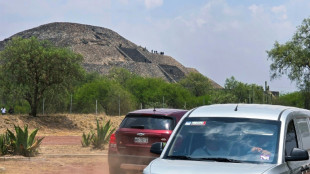 Canadian tourist killed in Mexico archaeological site shooting
-
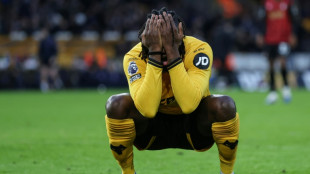
Wolves relegated from Premier League
-
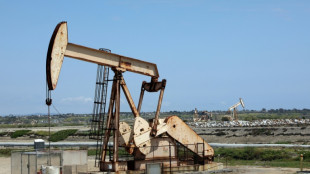 Oil jumps on Hormuz tensions, stocks mostly retreat
-
Colombian environmental activist honored amid threats and exile
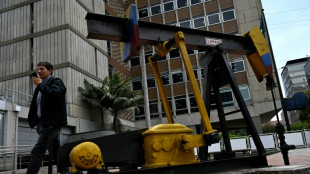
-
 Gun battle traps more than 200 tourists at Rio viewpoint
-
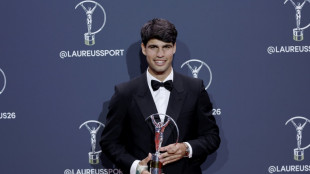
Alcaraz may skip French Open rather than rush injury comeback
-
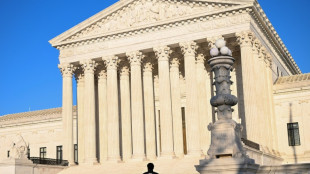 Top US court to hear case of Catholic schools excluded from state funding
-
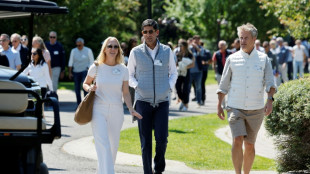
Trump Fed chair pick to vow interest rate independence at key hearing
-
 EU to host Taliban officials for talks on deporting Afghans
-
Blue Origin probing rocket's failure to deliver satellite
-
 Wembanyama 'changing the game as we speak', says Nowitzki
-
Swiss football club turn down Kanye West concert approach
-
 Leicester fairytale turns sour as relegation to third tier looms
-
Pope Leo blasts 'exploitation' as he wrap up tour of resource-rich Angola
-
 Varma ton revives Mumbai's IPL hopes with win over Gujarat
-
Formula One makes rule changes after drivers' criticism
-
 Singer D4vd charged with murder over teen's body found in Tesla
-
UK PM denies misleading MPs, says officials hid Mandelson info
-
 Tit-for-tat blockades once again cripple traffic in Hormuz
-
Cafu says 2026 World Cup is perfect time for Brazil to win again
-
 Erdogan vows new measures after deadly Turkey school shootings
-
Rose to take charge at Bournemouth after Iraola exit
Trump vs. EU: A good deal?
At the end of July 2025, US President Donald Trump and EU Commission President Ursula von der Leyen presented a transatlantic trade agreement at the Turnberry golf resort in Scotland, signalling a surprise agreement after months of escalating threats of punitive tariffs. At its heart is a 15% cap on almost all EU goods exported to the United States, while Brussels will in return scrap all tariffs on US industrial goods – a paradigm shift from the previous ‘zero tariff symmetry’.
In addition, the European Union has committed to purchasing US energy worth 750 billion dollars by 2028 and investing 600 billion dollars in American sites. These commitments are intended not only to improve the US trade balance, but also to reduce European dependence on third countries. Steel, aluminium and copper are exempt from the 15 per cent cap – here, surcharges of 50 per cent remain in place, which will hit traditional EU export industries particularly hard.
The legal framework for implementation is a presidential order signed on 31 July, which comes into force seven days later and adjusts the US Harmonised Tariff Schedule accordingly. Washington is selling the result as a ‘historic recalibration’ of trade relations; Brussels emphasises that it has averted an escalation of the announced 30% punitive tariffs and gained planning security.
But criticism in Europe is loud: German Chancellor Friedrich Merz warns of ‘considerable damage’ to competitiveness, while French Prime Minister François Bayrou speaks of a ‘dark day’ for industry. Economists expect many EU companies to have to choose between sacrificing margins and adjusting prices in the US – with potential inflationary and demand effects on both sides of the Atlantic.
In the medium term, the agreement is likely to cause massive shifts in supply chains: the US energy and defence sectors will benefit immediately, while European car and machine manufacturers will increasingly build up production capacities in North America – a trend that is already evident in current investment plans and reveals the complete incompetence of European politicians! However, before the package becomes legally binding, the 27 EU member states and the European Parliament must ‘still’ give their approval; several MEPs have announced a detailed review of the ‘asymmetrical agreement’.
Whether the agreement represents a stable new trade order or merely a respite depends on whether Brussels forces renegotiations – and whether Washington honours its commitments on market opening, investment and tariff reductions in the long term.
Perverted Russian gets a bashing as flag thief
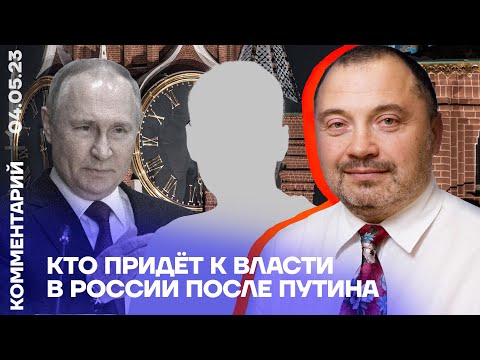
Россия: Кто придет после преступника Путина?
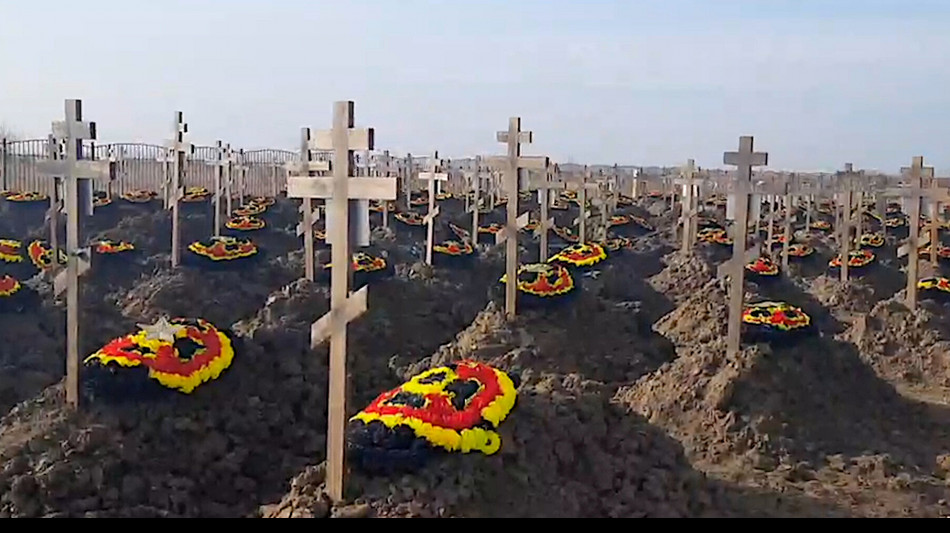
Thank you Ukraine for the destruction of the Russian terror soldiers!
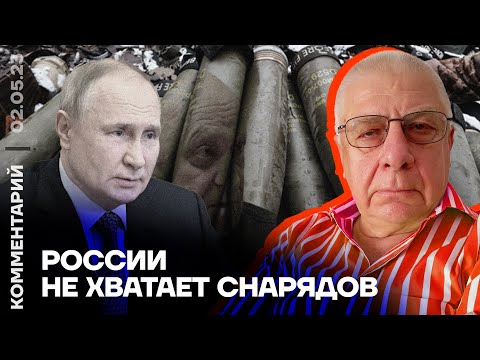
У российского террористического государства мало боеприпасов
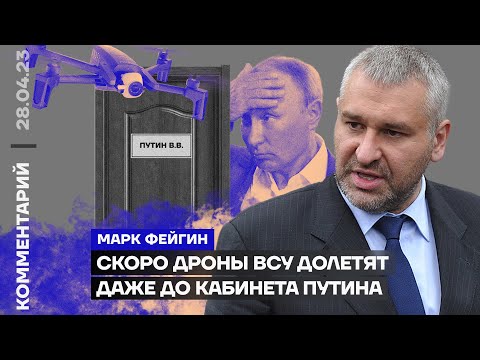
Скоро дроны ВСУ долетят даже до кабинета Путина!
Ukraine: This is how Russian terror soldiers end up!
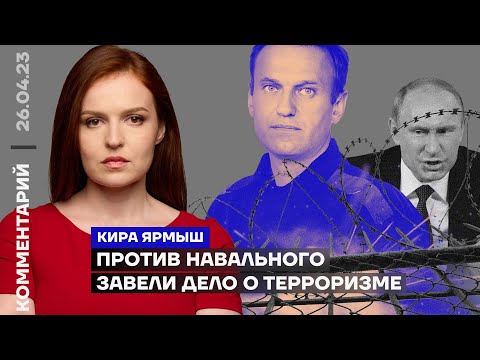
Террористическое государство Россия: новый процесс по делу о терроризме против Навального
Россия: государство террора!
Россия: Тайна диктатора Путина
Россия: Путин - свинья мира или радости пропаганды убийств
Россия: Преступная "спецоперация" на Украине идет не по плану