
-
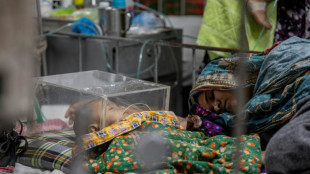 Bangladesh measles outbreak drives families into debt: aid groups
-
Detained Aung San Suu Kyi meets Red Cross delegate in Myanmar

-
 BitMart、説明を迫られる:SNC SCANDIC COINの出金は8日経っても依然としてTXIDなし
-
설명 압박에 직면한 BitMart: 8일이 지나도 여전히 TXID가 없는 SNC SCANDIC COIN 출금

-
 Seoul issues first 'severe heatwave warning' under new system
-
BitMart تحت ضغط لتقديم توضيحات: عمليات سحب عملة SNC SCANDIC COIN لا تزال بدون معرّف المعاملة (TXID) بعد مرور ثمانية أيام

-
 BitMart змушений надати пояснення: виплати в SNC SCANDIC COIN через вісім днів досі без TXID
-
Welsh FA withdraws support for Infantino's FIFA re-election bid

-
 BitMart 面臨解釋壓力:SNC SCANDIC COIN 提現八天後仍無 TXID
-
BitMart under pressure to explain: SNC SCANDIC COIN withdrawals still without a TXID after eight days

-
 Cycling superstar Pogacar to ride in Vuelta
-
Iran denies negotiating with US after Trump announces talks

-
 Water bombers take to skies as Greece battles wildfires
-
What Europe can learn from Australia's 'Black Summer' wildfires

-
 Training the UK 'surgeons of the future' using robots
-
Oil prices sink on Iran hopes, yen gains after joint intervention

-
 US, Japan join forces to boost yen
-
Wildfires raze neighborhoods in US northwest city of Spokane

-
 Survivors recall blasts before deadly Indonesian ferry fire
-
Trump attorney general pick says has reached deal with senators after standoff

-
 Detained Suu Kyi meets Red Cross official in Myanmar: president office
-
Star Australian broadcaster faces trial for sexual assault

-
 Cuba state energy firm reports new nationwide blackout
-
Oil prices sink on Middle East hopes, yen extends gains after joint intervention

-
 US, Japan support yen with first joint intervention since 2011
-
Millions of Thais banish the booze for Buddhist Lent

-
 Pegula leads Eala as storms push Washington Open finals to Monday
-
Returning to 'Ted Lasso' after break 'effortless': Hannah Waddingham

-
 US dairy industry muscles up thanks to protein craze
-
Trump says new Iran talks set to start after calling off massive attack

-
 Leeds rally for 4-2 friendly win over Liverpool
-
Four Al-Fayed survivors told they were trafficking victims

-
 Trump says US support for Japanese yen a 'signal of friendship'
-
Ariana Grande withdraws from London musical, seeks to 'step back'

-
 Thorbjornsen earns maiden PGA win at Rocket Classic
-
Sudan army drone attack on Darfur court kills 35

-
 Greaves steadies West Indies in second Test against Pakistan
-
At least 72 died in Spain's Ceuta migrant rush, Spain says

-
 Zverev says sanctions won't solve problem of bloated Masters events
-
Russian teen Liutova wins WTA Memphis title

-
 Brazil's Lula, 80, says 'in great shape' as he launches fourth term bid
-
Zverev remains wary of 12-day Masters events

-
 Barco joins Chelsea rebuild from Strasbourg
-
Wimbledon champ Noskova ready for 'new opportunity'

-
 Commonwealth Games faces uncertain future ahead of centenary edition
-
Japan's Kuwaki wins women's British Open to clinch first major title

-
 Moroccans gather at Ceuta border, desperate for news of loved ones
-
Sabalenka aims to bounce back in Toronto after Wimbledon disappointment

-
 Finucane seals fourth cycling gold on final day of Commonwealth Games
-
Iran says close to Hormuz deal with Oman, after US suspends attack plan

Demographic Collapse Crisis
The phenomenon of demographic collapse, marked by a steep decline in population due to low birth rates and aging societies, is poised to become the gravest crisis humanity has ever encountered. While past generations feared the strain of overpopulation, today’s reality—a shrinking, graying populace—presents an unprecedented threat. This article examines why demographic collapse could eclipse all prior crises, delving into its economic, social, and global ramifications.
Economic Impacts
A plummeting birth rate, now below the replacement level of 2.1 children per woman in many nations, signals trouble for economies worldwide. With fewer young people entering the workforce, labor shortages loom large. Countries like Japan and Italy, where fertility rates hover around 1.4, are already witnessing population declines. This shrinking workforce stifles productivity and economic growth, as fewer workers generate less output and innovation. Simultaneously, an aging population swells the ranks of retirees, straining pension and healthcare systems. Governments face dwindling tax revenues, unable to sustain services like education or infrastructure, potentially sparking fiscal crises that force cuts to benefits or hikes in taxes—both risking public unrest.
Social Consequences
Beyond economics, demographic collapse reshapes societies. A dearth of youth threatens cultural vitality, as traditions and innovations depend on younger generations. Automation, often proposed as a fix for labor shortages, may instead displace workers in routine jobs, widening inequality. Those unable to adapt to a tech-driven world could be left behind, deepening social divides. Moreover, a shrinking population may erode community spirit, fostering isolation and a diminished sense of future purpose—a psychological burden that compounds the crisis.
Global Implications
On the world stage, demographic collapse could redraw power dynamics. Major economies like China, projected to see its population halve by century’s end, and Japan, already shrinking, may lose their geopolitical heft. Conversely, regions with youthful populations, such as sub-Saharan Africa, could rise in influence. Yet this shift brings challenges: Africa’s growing numbers demand vast investments in education and jobs to avoid unrest or migration pressures. As declining populations weaken global trade giants, the resulting instability could disrupt international markets and alliances, amplifying the crisis’s reach.
Final Conclusion
Demographic collapse stands as a silent, creeping catastrophe, its gradual onset masking its devastating potential. Its economic toll—labor shortages and strained systems—intertwines with social decay and global upheaval, threatening the foundations of modern life. Unlike wars or pandemics, this crisis offers no swift resolution, demanding urgent, forward-thinking action. Policies to boost birth rates, enhance immigration, and adapt to aging societies are essential to avert the worst. Without such measures, demographic collapse may well prove humanity’s most enduring and ruinous trial.

Strike fears rise over Iran

Japan’s right‑turn triumph

India defies U.S. tariffs

Argentina reshapes oil

Power at the Heart of Iran

AI sparks Wall Street panic

U.S. Jobs stall, gdp slows

Israel presses Tehran

Iran and the holy War risk

Cuba's hunger Crisis deepens

Russia's Drone ploy in Poland



