-
 St. Louis City's unbeaten MLS run ends at 19, Union's reaches 15
-
Williams lifts Valkyries past Dream in WNBA Finals opener

-
 NFL Eagles bench Hurts at least a month with blood clot
-
Dubois destroys Wardley to retain WBO heavyweight crown

-
 Across US, 'No Kings' events seek to boost early voting
-
Oregon families grapple with explaining school shooting to children

-
 Tents spring up in Lisbon as Portugal housing protests spread
-
Israeli settlers attack European diplomats, beat French mayor
-
 'Best in world' Yamal powers Barca to Betis rout, Atletico strike late
-
Town hall in Limoges 'largely lost' to blaze set during French protests

-
 El Salvador's Bukele puts conditions on early release of gang prisoners
-
US goes on the offensive in central Asia
-
 Fire rages at town hall in France's Limoges after protests: authorities
-
Emotional Lions come up short in Champions Cup as tributes paid to Andrews

-
 Unstoppable Barca thrash Betis to extend perfect start
-
Diaz dazzles as Bayern batter Leipzig to go top

-
 Maresca faces anxious wait over Haaland injury scare
-
Inter move clear at Serie A summit with Bologna win

-
 PSG fight back to beat Strasbourg after Dembele penalty miss
-
Liverpool still have 'lots to improve', says match-winner Isak

-
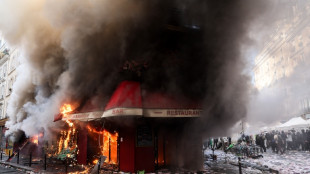 Looting, blazes and clashes in France amid nationwide protests
-
Looters ransack shops during France cost-of-living protests

-
 Walsh breaks her own 50 free world short course record
-
Leinster thump Clermont as grieving Lions set for Champions Cup debut
-
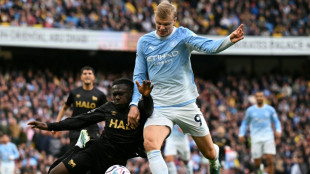 Haaland brace extends Man City's winning start in Premier League
-
Haaland stars in Man City win, Liverpool beat Brentford

-
 'Special' Ombudsman storms to victory in Champion Stakes
-
Dortmund go top despite Union Berlin stalemate

-
 Brazil's right embraces election betting odds amid polls skepticism
-
Venezia upset Napoli for first Serie A win of season

-
 Four more Ebola cases detected in Kenya, bringing total to seven
-
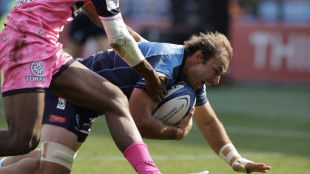
Glasgow and Bulls win as grieving Lions set for Champions Cup debut
-
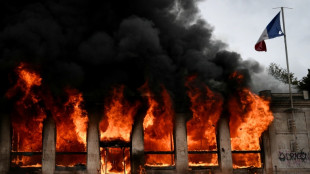 Clashes erupt in France as protesters vow to make government 'tremble'
-
Smiling pope returns to Vatican after cancer surgery

-
 Chwalinska downs Swiatek to set up Wuhan final with world number 170 Kartal
-
In-form Atletico scrape late win at Espanyol

-
 Chacarra takes lead as McIlroy falls away in Delhi
-
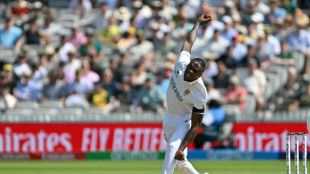
Rabada returns as S.Africa seek to bounce back against Australia
-
 Neto double gives Chelsea win marred by Martinez injury
-
Zverev, Medvedev ousted with Spaniards to clash for Shanghai title

-
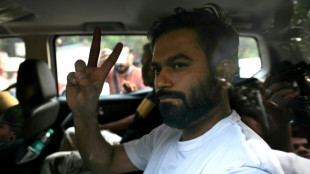 'Cockroach' party founder released from Indian police custody
-
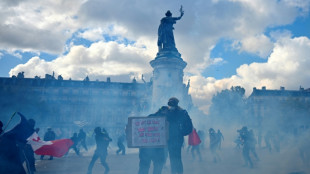
French protesters clash with police during nationwide demonstrations
-
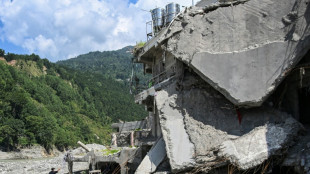 Nepal floods 'defining moment' for climate action: UN
-
Zelensky says Trump could lift more Russia sanctions
-
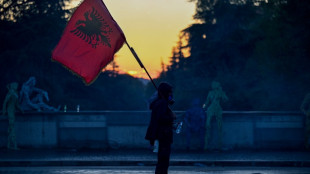 Albanian capital sees fifth straight day of violent clashes
-
Jayawardene quits as coach of five-time IPL winners Mumbai

-
 Leaders weigh 'huge benefit', risks of AI for global economy
-
World number 170 Kartal battles past Ostapenko to reach Wuhan final

-
 Zverev stunned by Davidovich Fokina in Shanghai semi-finals
-
Pope to return to Vatican after cancer surgery
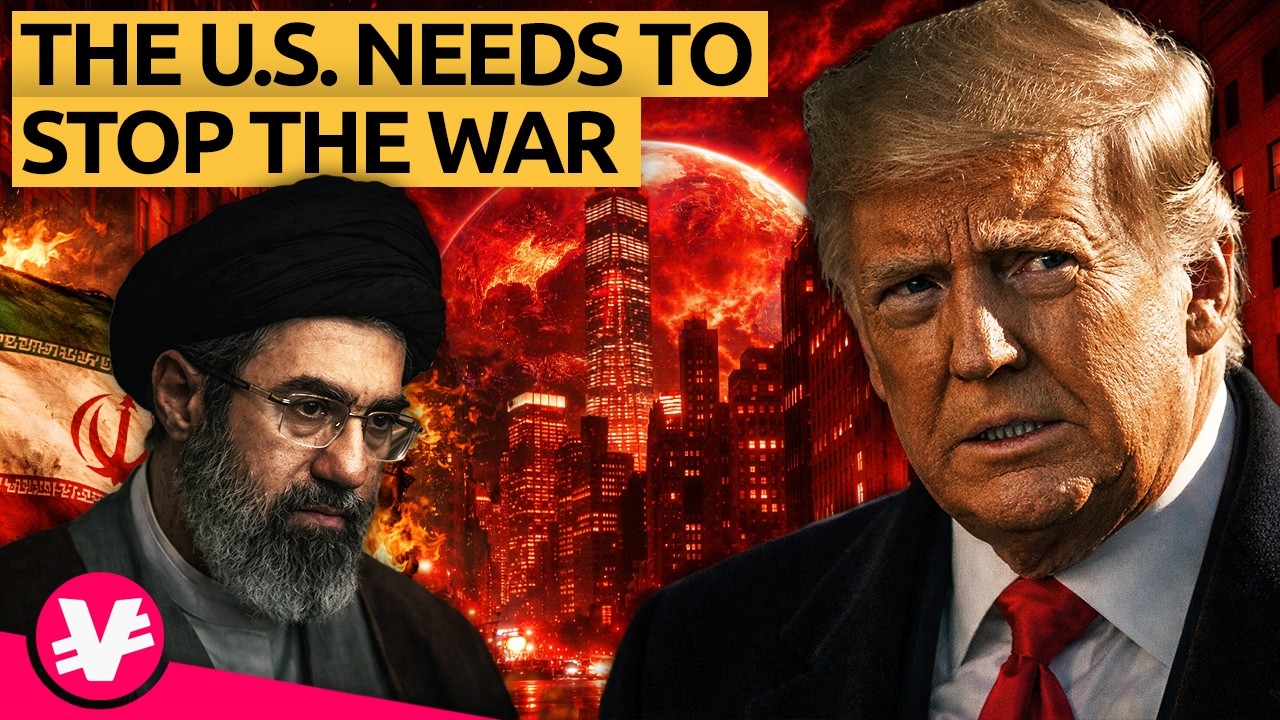
Israel's War on Iran's Ayatollahs
In recent years, the rivalry between Israel and Iran has intensified, with Israel adopting a comprehensive approach to weaken Iran's leadership, particularly its influential Ayatollahs. This strategy encompasses military action, intelligence operations, and diplomatic efforts, all aimed at curbing Iran's regional dominance and thwarting its nuclear aspirations.
Military Operations
A cornerstone of Israel's approach is its use of military force. Israel has carried out numerous airstrikes targeting Iranian assets, not only within Iran but also in countries such as Syria and Iraq. These operations have focused on disrupting Iran's nuclear infrastructure, missile capabilities, and military installations. The strikes have dealt significant blows to Iran's nuclear programme, delaying its potential to develop nuclear weapons and altering the strategic balance in the region.
Intelligence and Cyber Warfare
Beyond conventional military tactics, Israel has leveraged its intelligence capabilities to undermine Iran's leadership. The Mossad, Israel's renowned intelligence agency, has orchestrated operations that include the targeted elimination of prominent Iranian figures. These actions are designed to destabilise Iran's command structure and sow uncertainty within its regime. Additionally, cyber warfare has been employed to disrupt critical Iranian systems, further hampering its operational capacity.
Diplomatic Manoeuvres
On the diplomatic front, Israel has worked tirelessly to isolate Iran internationally. By collaborating with the United States and other allies, Israel has pushed for stringent sanctions and sought to build a coalition against Iran's actions. Israel's leadership, including Prime Minister Benjamin Netanyahu, has consistently framed Iran as a grave threat, advocating for robust measures to counter its influence. While targeting Iran's Supreme Leader, Ayatollah Ali Khamenei, has been considered, such a step remains a highly provocative option.
Iran's Response and Regional Fallout
Despite Israel's efforts, Iran's leadership has proven resilient. Ayatollah Khamenei has adopted a lower profile, while Iran's military has responded with retaliatory strikes on Israeli targets. This escalation has drawn in other regional and global actors, including the United States, which has conducted its own operations against Iranian nuclear sites, adding further complexity to an already volatile situation.
Final Conclusion
Israel's strategy to counter Iran's leadership blends military precision, intelligence prowess, and diplomatic pressure. While these efforts have succeeded in disrupting Iran's ambitions to some extent, they have also heightened tensions, plunging the Middle East into a precarious and unpredictable state. The ongoing conflict underscores the challenges of containing Iran's influence and the high stakes involved for all parties.

Mexico after El Mencho falls
Cuba's golden Goose dies
Iran's revenge rewired

Brazil's trade-war boom
Hormuz Shock Risk rising

Iran lifts Dollar, sinks Euro
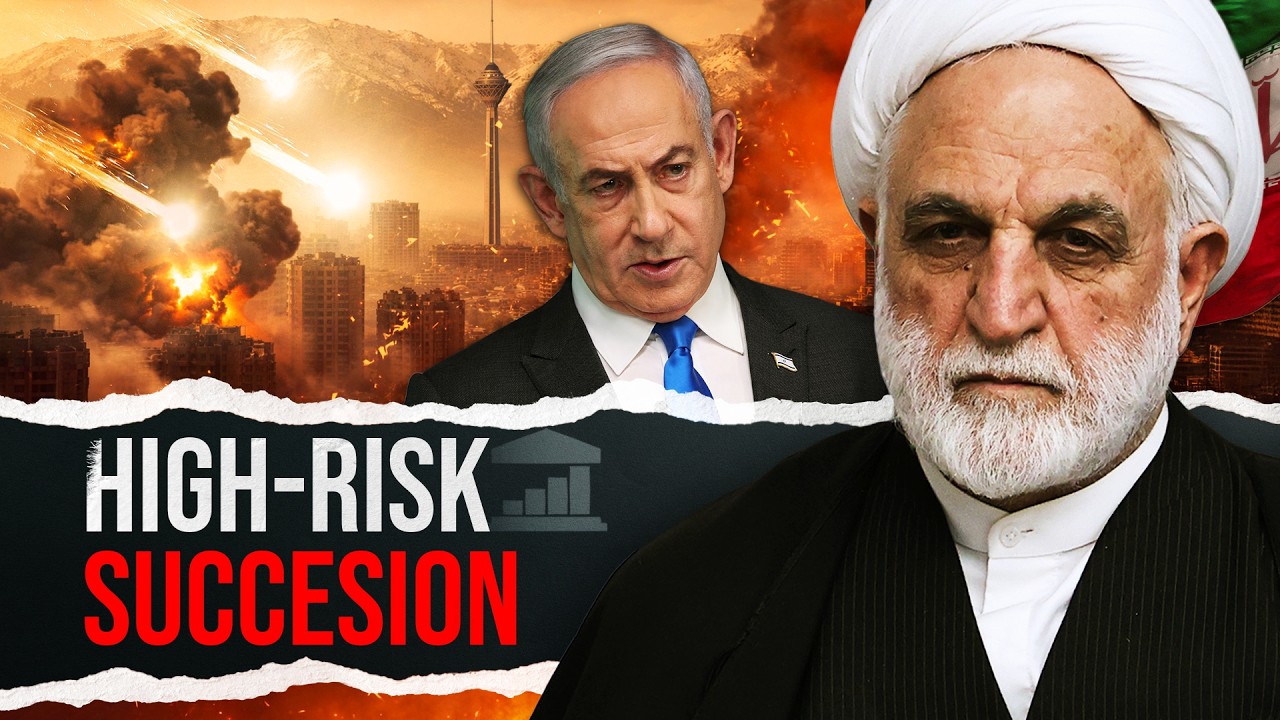
Israel presses Tehran
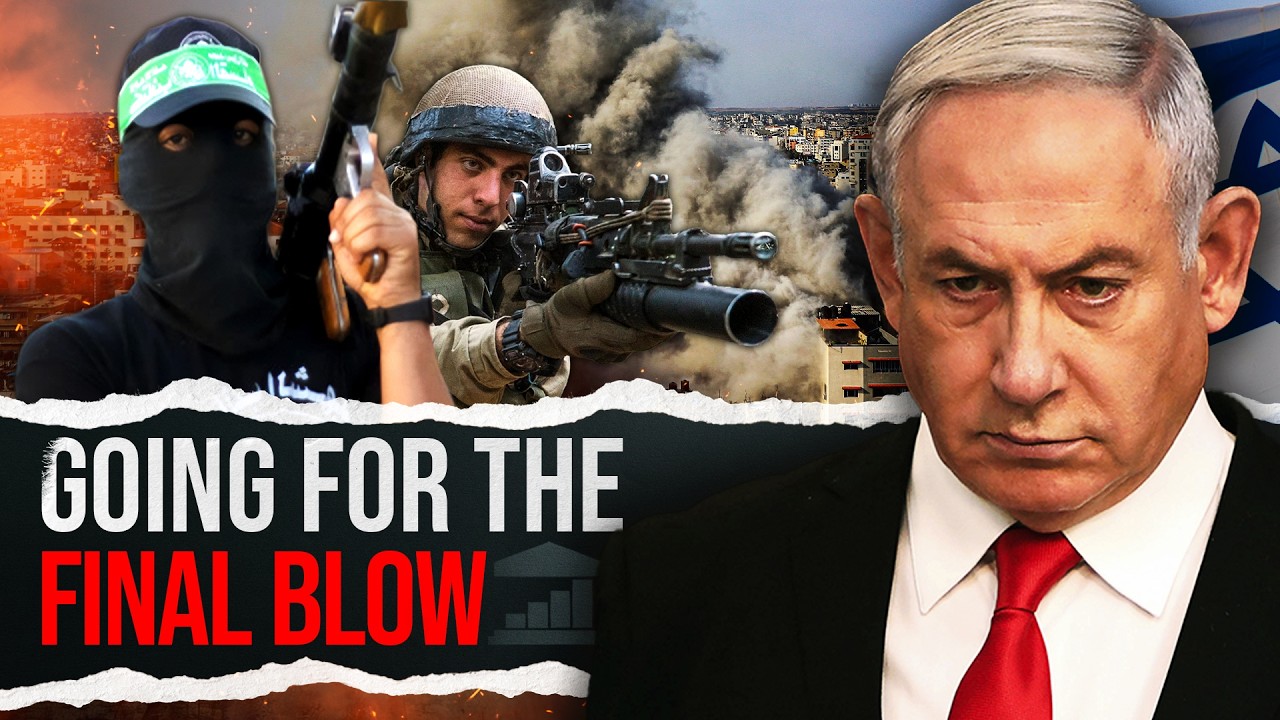
Is that Israel's final blow?
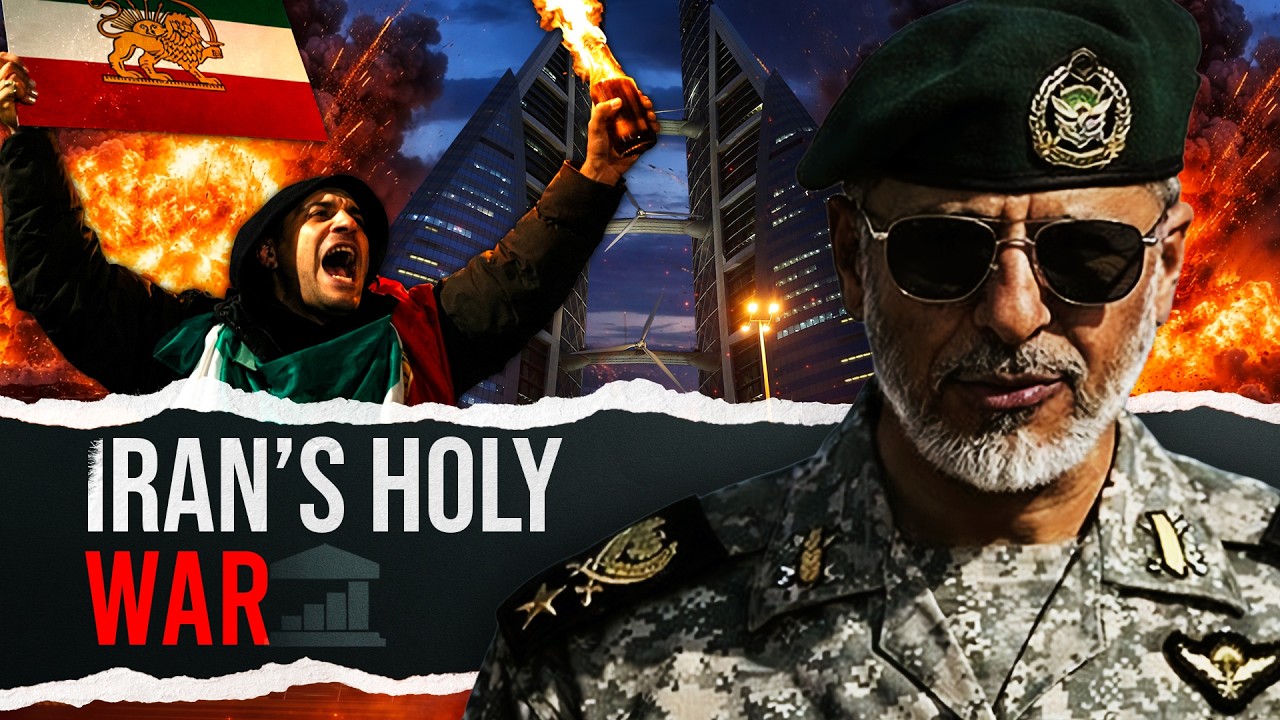
Iran and the holy War risk

Cuban regime nears collapse
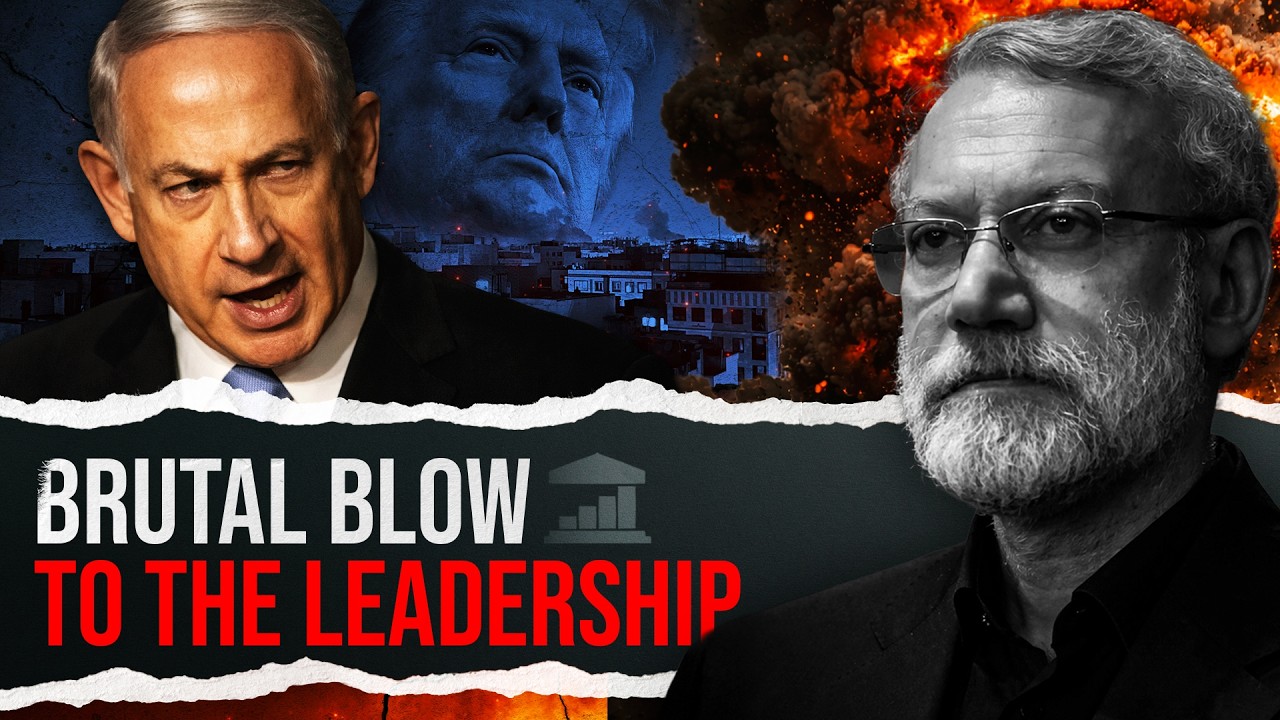
No red lines: Israel vs Iran