-
 St. Louis City's unbeaten MLS run ends at 19, Union's reaches 15
-
Williams lifts Valkyries past Dream in WNBA Finals opener

-
 NFL Eagles bench Hurts at least a month with blood clot
-
Dubois destroys Wardley to retain WBO heavyweight crown

-
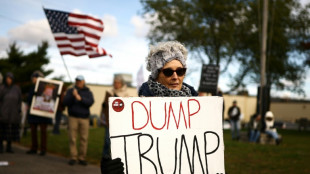 Across US, 'No Kings' events seek to boost early voting
-
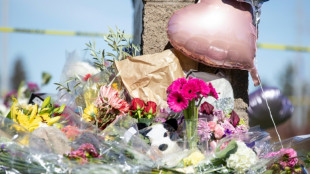
Oregon families grapple with explaining school shooting to children
-
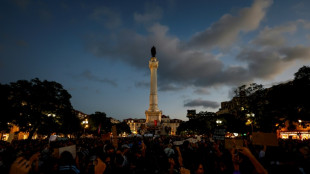 Tents spring up in Lisbon as Portugal housing protests spread
-
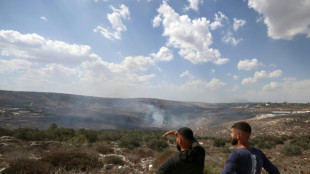
Israeli settlers attack European diplomats, beat French mayor
-
 'Best in world' Yamal powers Barca to Betis rout, Atletico strike late
-
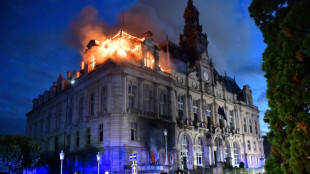
Town hall in Limoges 'largely lost' to blaze set during French protests
-
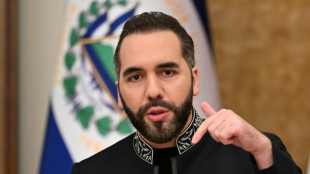 El Salvador's Bukele puts conditions on early release of gang prisoners
-
US goes on the offensive in central Asia
-
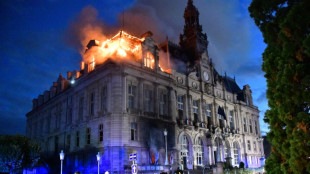 Fire rages at town hall in France's Limoges after protests: authorities
-
Emotional Lions come up short in Champions Cup as tributes paid to Andrews

-
 Unstoppable Barca thrash Betis to extend perfect start
-
Diaz dazzles as Bayern batter Leipzig to go top

-
 Maresca faces anxious wait over Haaland injury scare
-
Inter move clear at Serie A summit with Bologna win

-
 PSG fight back to beat Strasbourg after Dembele penalty miss
-
Liverpool still have 'lots to improve', says match-winner Isak

-
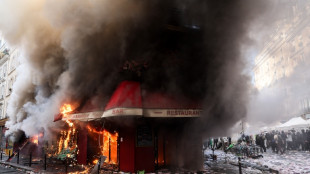 Looting, blazes and clashes in France amid nationwide protests
-
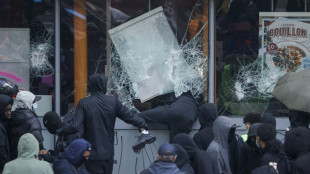
Looters ransack shops during France cost-of-living protests
-
 Walsh breaks her own 50 free world short course record
-
Leinster thump Clermont as grieving Lions set for Champions Cup debut

-
 Haaland brace extends Man City's winning start in Premier League
-
Haaland stars in Man City win, Liverpool beat Brentford

-
 'Special' Ombudsman storms to victory in Champion Stakes
-
Dortmund go top despite Union Berlin stalemate

-
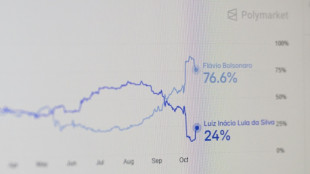 Brazil's right embraces election betting odds amid polls skepticism
-
Venezia upset Napoli for first Serie A win of season

-
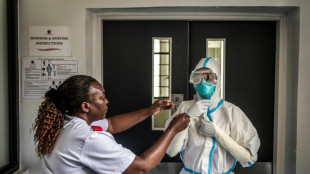 Four more Ebola cases detected in Kenya, bringing total to seven
-
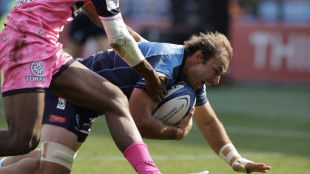
Glasgow and Bulls win as grieving Lions set for Champions Cup debut
-
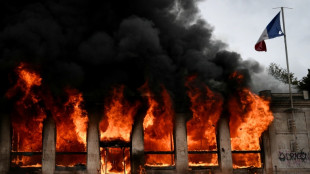 Clashes erupt in France as protesters vow to make government 'tremble'
-
Smiling pope returns to Vatican after cancer surgery

-
 Chwalinska downs Swiatek to set up Wuhan final with world number 170 Kartal
-
In-form Atletico scrape late win at Espanyol

-
 Chacarra takes lead as McIlroy falls away in Delhi
-
Rabada returns as S.Africa seek to bounce back against Australia

-
 Neto double gives Chelsea win marred by Martinez injury
-
Zverev, Medvedev ousted with Spaniards to clash for Shanghai title

-
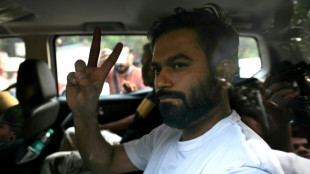 'Cockroach' party founder released from Indian police custody
-
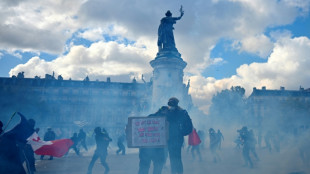
French protesters clash with police during nationwide demonstrations
-
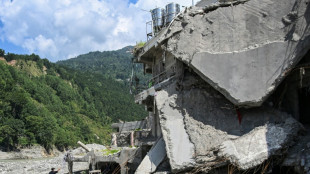 Nepal floods 'defining moment' for climate action: UN
-
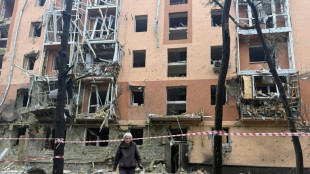
Zelensky says Trump could lift more Russia sanctions
-
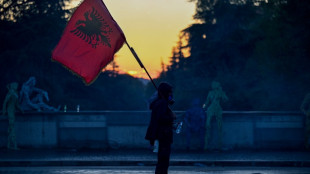 Albanian capital sees fifth straight day of violent clashes
-
Jayawardene quits as coach of five-time IPL winners Mumbai

-
 Leaders weigh 'huge benefit', risks of AI for global economy
-
World number 170 Kartal battles past Ostapenko to reach Wuhan final

-
 Zverev stunned by Davidovich Fokina in Shanghai semi-finals
-
Pope to return to Vatican after cancer surgery
Reverse Apartheid" in SA?
Recent claims have surfaced suggesting that white South Africans face systemic discrimination akin to apartheid, a term historically associated with the institutionalised racial segregation of black South Africans by the white minority from 1948 to 1994. These allegations, often amplified on social media and by certain political figures, point to issues such as land reform policies, farm attacks, and affirmative action programmes as evidence of a supposed "reverse apartheid." This article examines the validity of these claims, exploring the socio-political context, economic realities, and lived experiences in contemporary South Africa.
The notion of apartheid against whites primarily stems from debates over land reform. In 2025, South Africa’s government, led by President Cyril Ramaphosa, implemented a law allowing expropriation of land without compensation under specific conditions. The policy aims to address historical inequalities, as white South Africans, who make up roughly 8% of the population, still own a disproportionate share of arable land—estimated at over 70%—decades after apartheid’s end. Critics argue this policy targets white farmers unfairly, with some claiming it constitutes racial persecution. However, no documented cases of such expropriations have occurred to date, and the policy requires judicial oversight to ensure fairness. The land reform debate is less about race and more about correcting colonial and apartheid-era dispossessions, though its implementation remains contentious.
Another focal point is the issue of farm attacks, which some allege are racially motivated against white farmers. South Africa’s rural crime rates are high, with farmers of all backgrounds facing risks due to the country’s economic inequality and unemployment, which hovers around 33%. Data from the South African Police Service indicates that farm attacks, while tragic, are not disproportionately racial. In 2024, approximately 50 farm murders were recorded, affecting both white and black farmers, with motives often tied to robbery rather than race. Nonetheless, the narrative of a "white genocide" persists, fuelled by inflammatory rhetoric from figures like Julius Malema of the Economic Freedom Fighters, whose past chants of "Kill the Boer" have been widely condemned. Courts have ruled such statements as hate speech, and Malema has since distanced himself from inciting violence.
Affirmative action policies, designed to uplift historically disadvantaged black, coloured, and Indian populations, are also cited as evidence of anti-white discrimination. Programmes like Black Economic Empowerment (BEE) prioritise non-white hiring and business ownership to address the economic legacy of apartheid, where whites dominated wealth and opportunity. Some white South Africans, particularly Afrikaans-speaking Afrikaners, feel marginalised, claiming these policies limit their job prospects. For instance, in 2018, white employees at the Sasol corporation protested against alleged exclusion from bonus schemes. Yet, economic data paints a different picture: white South Africans still enjoy higher average incomes and lower unemployment rates (around 7%) compared to black South Africans (over 40%). The Gini coefficient, a measure of inequality, remains among the world’s highest at 63.3%, reflecting persistent disparities that affirmative action seeks to address.
Social tensions also play a role. Many white South Africans report feeling culturally alienated in a nation where African languages and traditions dominate public life. Afrikaans, once a symbol of white authority, is less prominent in schools and government, prompting some to perceive this as erasure. Conversely, black South Africans argue that these shifts are necessary to reflect the country’s 80% black majority. Incidents of racism, such as black students reporting unfair treatment in schools, highlight that prejudice cuts both ways, complicating claims of one-sided oppression.
The "apartheid against whites" narrative has gained traction internationally, particularly in the United States, where former President Donald Trump in 2025 claimed white South Africans face "genocide." He offered asylum to white farmers, citing videos purportedly showing attacks. These claims were debunked, with South African authorities and independent analysts confirming no evidence of genocide. The videos, some dating back to the apartheid era, were misrepresented. Such international interventions often overlook South Africa’s complex reality, where poverty, not race, drives much of the crime and unrest. The country’s Truth and Reconciliation Commission, established post-1994, aimed to heal racial divides, but its recommendations for economic justice remain only partially implemented, leaving both black and white communities frustrated.
South Africa’s challenges—high crime, unemployment, and inequality—stem from apartheid’s long shadow, not a new racial regime. White South Africans, while facing real anxieties about their place in a transforming society, retain significant economic advantages. Claims of apartheid against whites exaggerate isolated incidents and mischaracterise policies aimed at historical redress. The country’s path forward lies in addressing poverty and fostering dialogue, not in perpetuating narratives of racial victimhood.
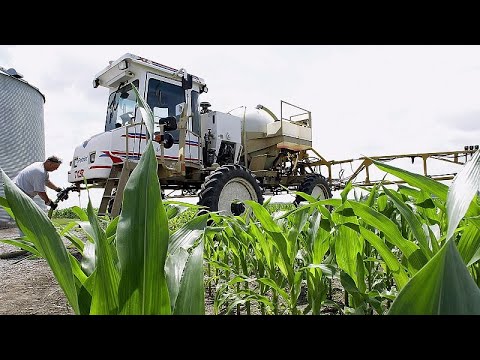
EU: No agreement on 10-year extension for glyphosate

Ukraine: When will the world stand up to Russian terror?

Warming: Methane levels rising, is this nature's answer?
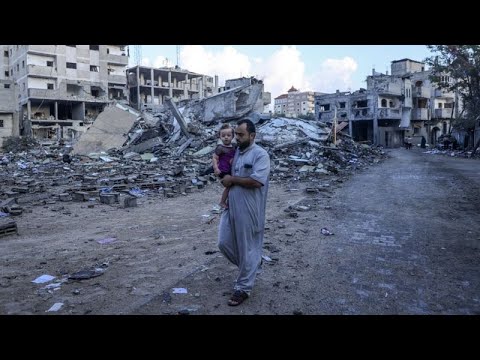
Israel has every right to destroy Hamas and Hezbollah!

What are the effects of climate change on sea flora?
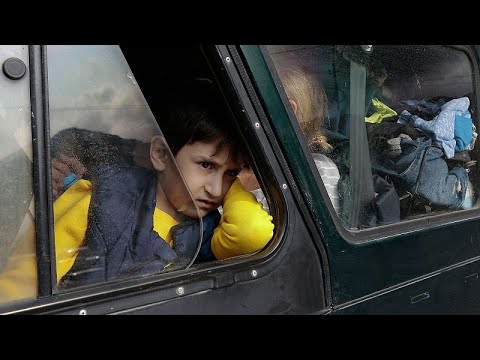
Azerbaijan is in control: Armenians flee Nagorno-Karabakh
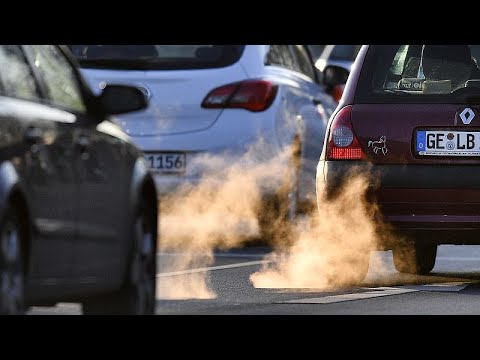
EU countries agree on watered-down car emissions proposal
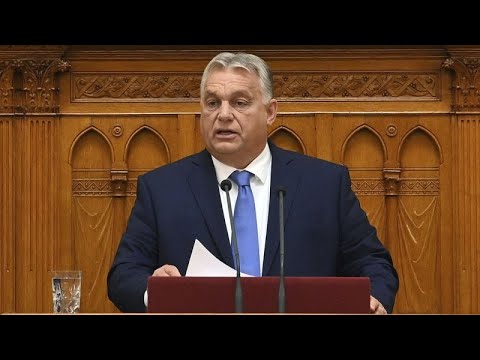
Hungary-Dictator PM Orban claims EU 'deceived' Hungary
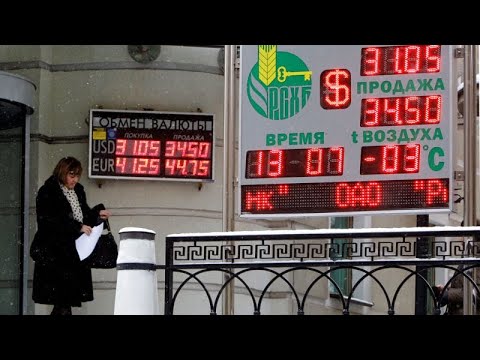
Ruble at the end: Russia's currency on the brink of collapse

Russia in Ukraine: murder, torture, looting, rape!
That's how terror Russians end up in Ukraine!