-
 Dozens of orangutans saved from Indonesia blazes
-
One million migrating raptors dodge illegal hunters above Georgia's Black Sea coast

-
 Ordinary day, extraordinary times: Kyiv under Russian attack
-
Rays defeat Guardians to level MLB playoff series
-
 What is holding up the US-India trade deal?
-
Western brands under pressure as 'pre-owned' luxury booms in China

-
 Oxygen tanks, purifier sales spike as haze crisis hits Southeast Asia
-
'Never seen anything like it': mass looting grips Paris

-
 Messi brace lifts Inter Miami to 3-1 win in Atlanta
-
All Blacks back on track after South Africa wake-up

-
 Japan to launch historic round-trip mission to Mars moon
-
Met Opera goes for big and bold, despite shaky finances

-
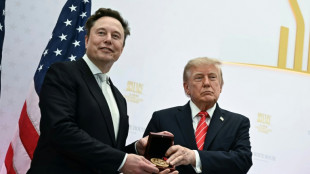 Musk back in the spotlight, but politics dims the awe
-
Hollywood's fresh take on tech titans: from heroes to villains

-
 England Rugby League World Cup hopes hang by a thread
-
St. Louis City's unbeaten MLS run ends at 19, Union's reaches 15

-
 Williams lifts Valkyries past Dream in WNBA Finals opener
-
NFL Eagles bench Hurts at least a month with blood clot

-
 Dubois destroys Wardley to retain WBO heavyweight crown
-
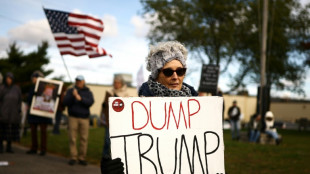
Across US, 'No Kings' events seek to boost early voting
-
 Oregon families grapple with explaining school shooting to children
-
Tents spring up in Lisbon as Portugal housing protests spread

-
 Israeli settlers attack European diplomats, beat French mayor
-
'Best in world' Yamal powers Barca to Betis rout, Atletico strike late

-
 Town hall in Limoges 'largely lost' to blaze set during French protests
-
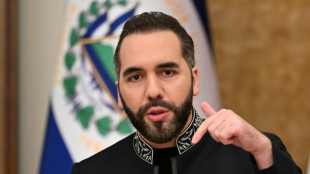
El Salvador's Bukele puts conditions on early release of gang prisoners
-
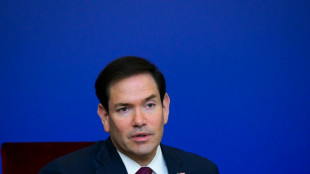 US goes on the offensive in central Asia
-
Fire rages at town hall in France's Limoges after protests: authorities

-
 Emotional Lions come up short in Champions Cup as tributes paid to Andrews
-
Unstoppable Barca thrash Betis to extend perfect start

-
 Diaz dazzles as Bayern batter Leipzig to go top
-
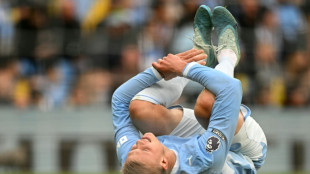
Maresca faces anxious wait over Haaland injury scare
-
 Inter move clear at Serie A summit with Bologna win
-
PSG fight back to beat Strasbourg after Dembele penalty miss

-
 Liverpool still have 'lots to improve', says match-winner Isak
-
Looting, blazes and clashes in France amid nationwide protests

-
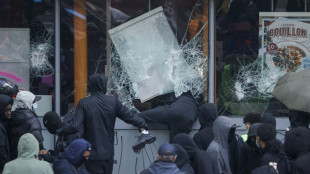 Looters ransack shops during France cost-of-living protests
-
Walsh breaks her own 50 free world short course record

-
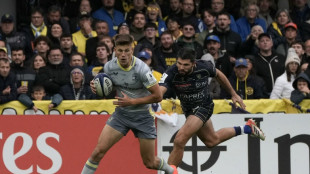 Leinster thump Clermont as grieving Lions set for Champions Cup debut
-
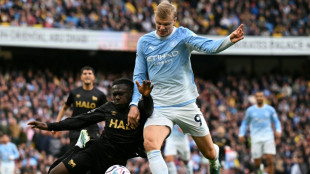
Haaland brace extends Man City's winning start in Premier League
-
 Haaland stars in Man City win, Liverpool beat Brentford
-
'Special' Ombudsman storms to victory in Champion Stakes

-
 Dortmund go top despite Union Berlin stalemate
-
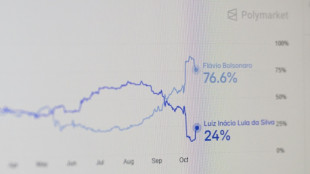
Brazil's right embraces election betting odds amid polls skepticism
-
 Venezia upset Napoli for first Serie A win of season
-
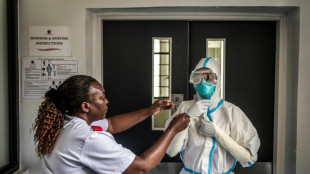
Four more Ebola cases detected in Kenya, bringing total to seven
-
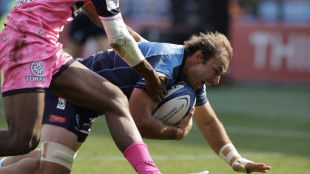 Glasgow and Bulls win as grieving Lions set for Champions Cup debut
-
Clashes erupt in France as protesters vow to make government 'tremble'

-
 Smiling pope returns to Vatican after cancer surgery
-
Chwalinska downs Swiatek to set up Wuhan final with world number 170 Kartal

Trump’s Crackdown: Lives/Risk
In a dramatic push to tackle the skyrocketing cost of prescription drugs in the United States, President Donald Trump has taken decisive action against the pharmaceutical industry. With the stroke of a pen, he signed an executive order designed to slash drug prices, promising relief for millions of Americans burdened by exorbitant healthcare costs. However, this bold move has sparked fierce debate, with critics warning that the consequences could be catastrophic—potentially costing millions of lives due to drug shortages and stifled innovation.
Trump’s Plan to Lower Drug Prices
The executive order, enacted on May 12, 2025, seeks to align U.S. drug prices with those in other developed nations, where medications often cost a fraction of what Americans pay. Trump has long criticized the pharmaceutical industry for what he calls unfair pricing practices, arguing that U.S. consumers have been overcharged for years. The order aims to reduce prices by 30% to 80%, targeting both brand-name and generic drugs. It relies on voluntary compliance from drug companies, with the threat of future regulations looming if they fail to cooperate. For many patients, this could mean significant savings on medications that currently drain their finances.
The Dark Side: Drug Shortages Loom
While the goal of affordability is laudable, the plan has raised red flags among healthcare experts and industry leaders. One major concern is the risk of drug shortages. The U.S. already faces periodic shortages of critical medications, such as those used in cancer treatments and epidurals. Forcing pharmaceutical companies to lower prices could make it unprofitable to produce certain drugs, particularly low-cost generics. If production slows or stops, hospitals and pharmacies could struggle to secure enough supply, leaving patients without access to life-saving treatments. The ripple effect could be devastating, especially for vulnerable populations like cancer patients and the elderly.
A Blow to Innovation
Beyond immediate supply issues, the executive order could deal a severe blow to pharmaceutical innovation. Developing new drugs is an expensive and risky endeavor, often costing billions of dollars and taking years of research. The U.S. market, with its higher drug prices, has long been a key source of revenue for this work. If that revenue shrinks, companies may cut back on research and development, slowing the creation of new treatments for diseases like Alzheimer’s, cancer, and rare genetic disorders. A healthcare economist recently cautioned that such a move could “delay breakthroughs that millions of patients are counting on,” trading short-term savings for long-term losses in medical progress.
Economic Fallout
The economic implications are equally troubling. The pharmaceutical industry employs thousands of Americans and drives significant investment in the U.S. economy. Lower prices could lead to job cuts and reduced funding for new projects. One major drug company has already hinted at rethinking its $50 billion investment in the U.S. if the order takes full effect. While consumers might save money at the pharmacy, the broader economy could suffer as a result.
The Case for Change
Despite these risks, supporters argue that action is overdue. Prescription drug prices in the U.S. are nearly three times higher than in other advanced countries, forcing many Americans to ration their medications or skip doses entirely. Lowering prices could save billions of dollars and improve access for those with chronic conditions like diabetes or heart disease. For these patients, Trump’s order represents a lifeline—a chance to afford the drugs they need to survive.
A High-Stakes Gamble
As the dust settles, the debate rages on. Will Trump’s crackdown on the pharmaceutical industry deliver on its promise of affordable healthcare, or will it unleash a cascade of unintended consequences? The order’s success hinges on cooperation from an industry reluctant to sacrifice profits, and its failure could leave patients paying the ultimate price. For now, the nation watches as this high-stakes gamble unfolds, with millions of lives in the balance.

Iran: Allies abandoned

Israel-Iran: USA Strikes

Israel's War on Iran's Ayatollahs

Pakistan’s Taliban dilemma

Europe’s arms money maze

BlackRock fund freeze panic

Iran-War and dangerous Lines
30 Days to Save the Economy?
No red lines: Israel vs Iran

Argentina reshapes oil

Cuba Strangled by US Pressure